Air cargo is a crucial component of global supply chains, enabling the fast and efficient movement of high-value, time-sensitive goods across the globe. As global trade continues to expand and evolve, the emergence of new air cargo routes is reshaping how goods are transported internationally. These new routes not only provide more efficient connections between key global hubs but also open up previously untapped markets, reduce transit times, and improve overall supply chain resilience.
The transformation of air cargo routes is driven by several factors, including changing trade patterns, technological advancements, market demand for faster deliveries, and geopolitical shifts. As businesses and logistics providers adapt to this rapidly changing landscape, understanding the impact of these emerging air cargo routes on international supply chains is essential for staying competitive.
The Evolution of Global Air Cargo Networks
Historically, air cargo routes were dominated by well-established hubs such as Europe, North America, and parts of Asia. Major air cargo hubs like Hong Kong, Frankfurt, and Memphis (FedEx’s global hub) served as central nodes for intercontinental shipments.
However, the global landscape of air cargo has evolved significantly in recent years. Factors such as the growth of emerging markets, changes in consumer behavior, and the increased demand for e-commerce and just-in-time manufacturing have influenced the creation of new, faster, and more direct air cargo routes.
1. Expansion of Emerging Markets
The rise of emerging markets, especially in regions like Southeast Asia, Africa, and Latin America, has driven the creation of new air cargo routes that cater to the demand for both exports and imports. These markets are seeing increased industrialization, urbanization, and middle-class growth, which in turn fuels demand for consumer goods, machinery, and raw materials. In response, air cargo providers are establishing routes that better connect these markets with global supply chains.
For example, routes connecting China with Africa and Latin America are growing rapidly, driven by increasing trade in electronics, machinery, and agricultural products.
2. E-commerce and the Need for Speed
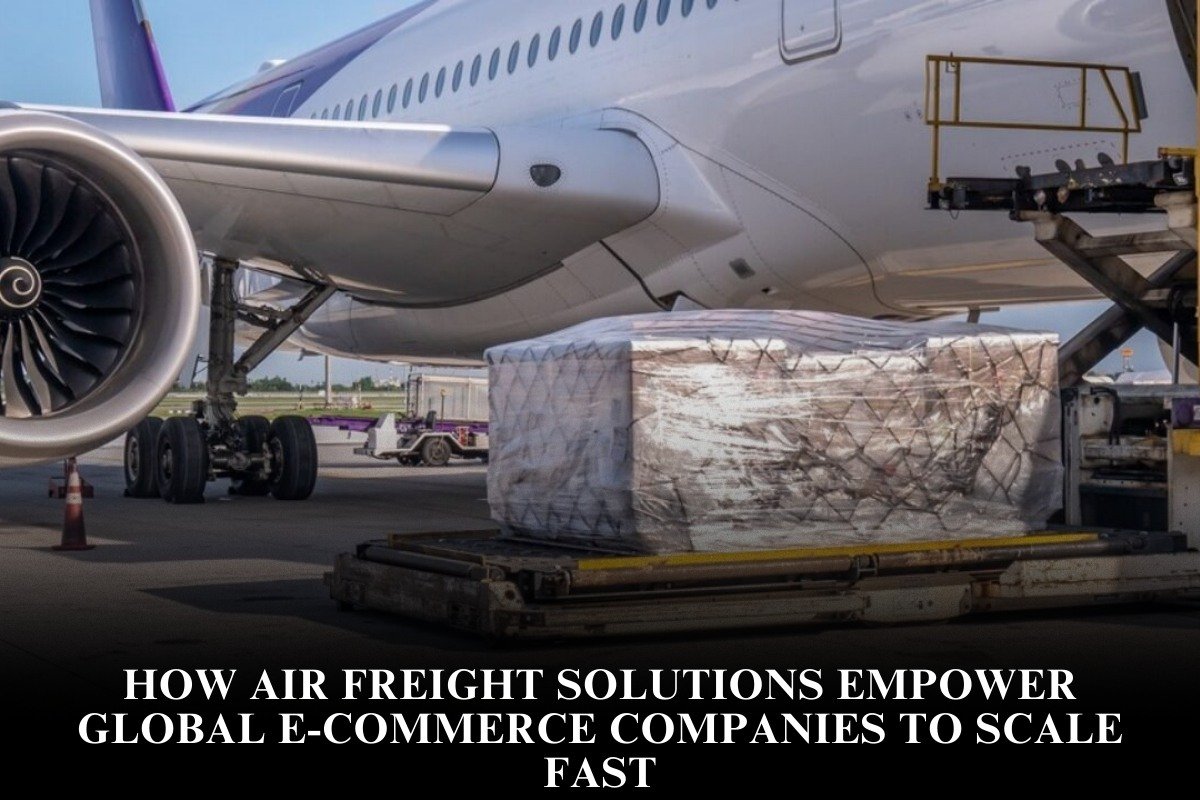
The exponential growth of e-commerce has dramatically reshaped global trade dynamics. Consumers expect faster deliveries, and businesses are responding with faster and more efficient shipping solutions, especially for high-demand products like electronics, fashion, and pharmaceuticals. New air cargo routes are designed to support these needs by connecting regional hubs directly to major consumer markets.
The Asia-Pacific region, particularly China, is a key player in this transformation. New air routes that facilitate faster movement of goods from China to North America and Europe are playing a vital role in the global e-commerce supply chain.
3. Shifting Geopolitical Landscape
Geopolitical changes, including trade agreements, tariff policies, and international relations, are influencing air cargo routes. For example, the development of new trade agreements like the Regional Comprehensive Economic Partnership (RCEP) in Asia has led to new air corridors between Southeast Asia and key markets in Europe and the United States. Similarly, the Africa Continental Free Trade Area (AfCFTA) is likely to spur new air routes within the African continent and with international trade partners.
4. Technological Advancements
Advances in air cargo technology, such as automation, digital tracking, and advanced cargo handling systems, are enabling more efficient and flexible air freight operations. These innovations reduce turnaround times at airports, enhance security, and improve the accuracy of tracking systems, making it possible for logistics providers to establish new air routes that were previously unfeasible due to operational complexities.
Moreover, innovations in aircraft technology, such as more fuel-efficient freighters and specialized planes for smaller, high-value shipments, are helping to create faster, more direct air routes that are both cost-effective and environmentally sustainable.
Key Benefits of Emerging Air Cargo Routes
1. Improved Speed and Efficiency
New, direct air cargo routes reduce transit times by eliminating unnecessary stopovers and delays at transit hubs. By offering more direct connections between supply chain nodes, businesses can meet the increasing demand for faster deliveries, especially for time-sensitive goods.
This is particularly beneficial in industries such as pharmaceuticals, electronics, and fashion, where delays can result in significant financial losses.
2. Cost Savings
Emerging air cargo routes can help reduce shipping costs by optimizing flight paths, increasing cargo capacity, and lowering fuel consumption. Additionally, new routes often lead to greater competition among carriers, which can drive down prices for businesses and consumers alike.
For example, direct routes between China and Africa may reduce reliance on indirect routes through Europe or the Middle East, lowering transportation costs for goods.
3. Enhanced Resilience in Global Supply Chains
Global supply chains are increasingly vulnerable to disruptions, such as natural disasters, pandemics, or political instability. Emerging air cargo routes add resilience to supply chains by diversifying transport options and creating alternative paths for goods to flow between regions.
For example, when one route experiences disruptions due to weather or geopolitical events, businesses can quickly pivot to alternative air routes that maintain the flow of goods. This flexibility is essential in today’s dynamic global economy.
4. Better Access to Remote and Underserved Markets
Many emerging air cargo routes aim to connect previously underserved markets, offering new opportunities for businesses to tap into regions with growing demand. Air cargo makes it easier to access remote or landlocked regions where other forms of transportation may be inefficient or costly.
For example, new routes to and from central and West Africa facilitate the movement of goods to and from remote areas that were previously hard to reach by air, fostering trade and economic development.
Challenges and Considerations
While emerging air cargo routes present clear benefits, they also introduce challenges:
1. Infrastructure Limitations
In many emerging markets, the infrastructure required to support increased air cargo traffic—such as modern airports, cargo handling facilities, and customs processing—may be lacking. Investment in infrastructure is critical to ensure that new routes can operate smoothly and efficiently.
2. Environmental Impact
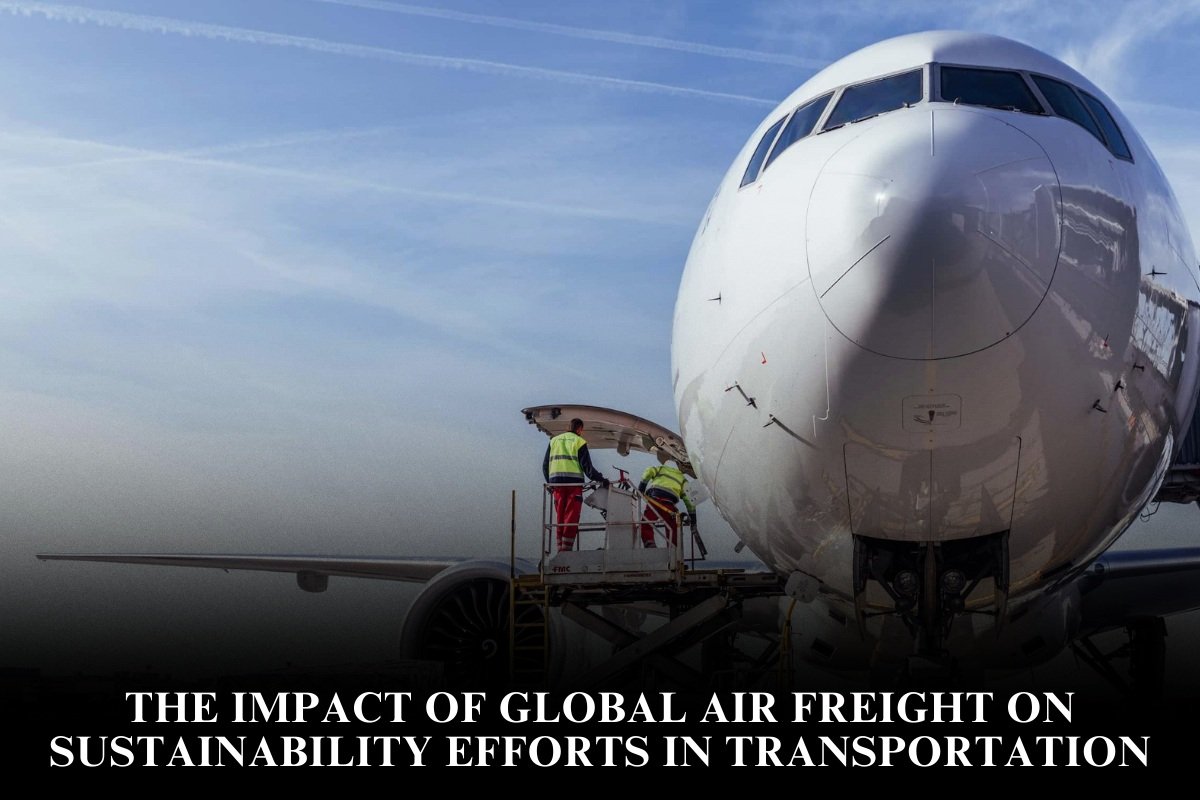
As air cargo demand grows, so does its environmental footprint. The aviation industry is a significant contributor to global greenhouse gas emissions, and increasing air freight traffic may exacerbate this issue. Sustainable practices and innovations in green aviation are essential to mitigate the environmental impact of expanding air cargo networks.
3. Regulatory and Security Challenges
As new air cargo routes are developed, they must navigate varying regulations, customs procedures, and security requirements across different countries. Harmonizing these regulations and improving international cooperation will be key to ensuring the smooth operation of new routes.
The Future of Air Cargo and Supply Chains
The future of air cargo and international supply chains lies in continuous innovation and flexibility. As new routes emerge, the industry will continue to adapt to meet the needs of global trade, e-commerce, and diverse markets. The convergence of technology, policy, and infrastructure will drive further optimization, enabling businesses to streamline operations and improve service delivery.
With better routes, faster transit times, and more efficient logistics, businesses can compete on a global scale, delivering goods with greater speed, reliability, and cost-effectiveness.
Frequently Asked Questions (FAQ)
1. How are emerging air cargo routes transforming global supply chains?
By reducing transit times, improving cost efficiency, enhancing resilience, and expanding access to new markets.
2. What are the key benefits of these new routes?
They offer faster deliveries, lower shipping costs, and improved flexibility in responding to disruptions.
3. How do these routes benefit businesses in emerging markets?
They provide better access to global markets, reducing shipping time and costs for businesses in regions like Southeast Asia, Africa, and Latin America.
4. What challenges do emerging air cargo routes face?
Infrastructure limitations, regulatory barriers, environmental concerns, and the need for international cooperation.
5. Are these routes environmentally sustainable?
While they offer efficiency benefits, growing air cargo demand requires sustainable aviation practices to mitigate environmental impact.