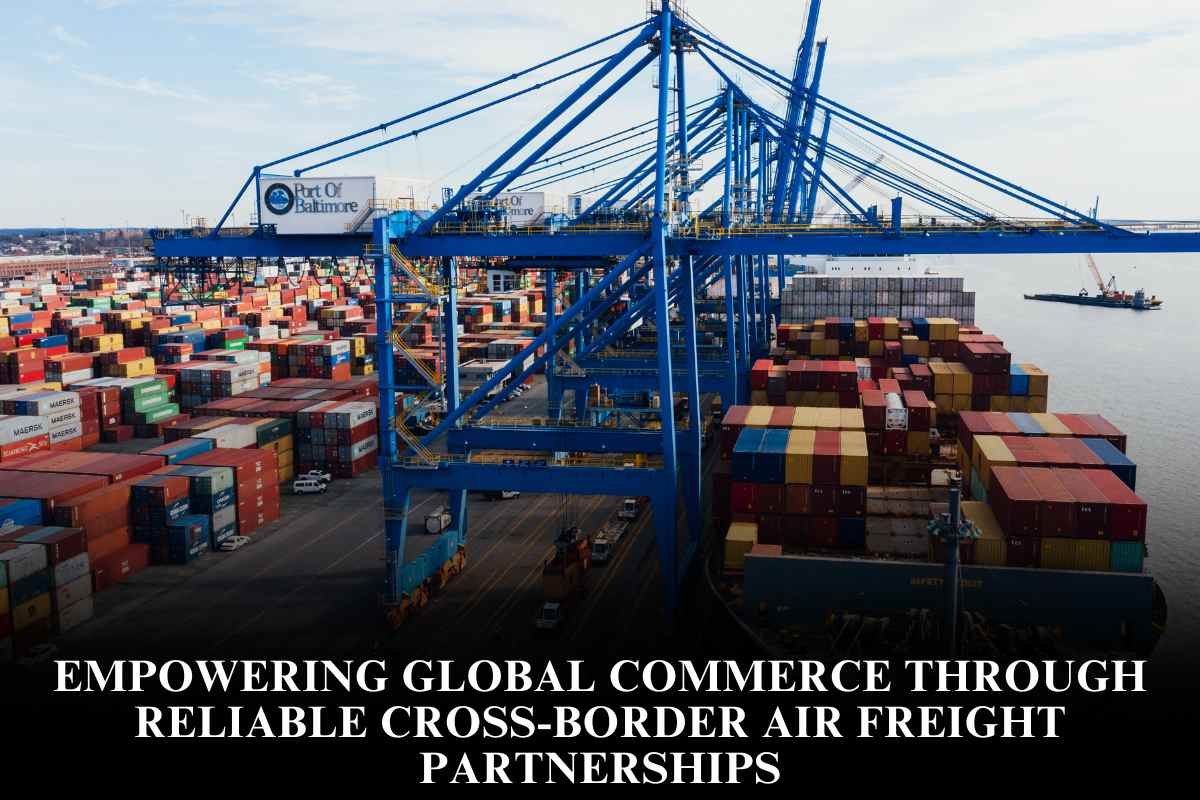
Reliable cross-border air freight partnerships from U.S.-based providers are pivotal to global commerce, enabling swift, secure movement of high-value goods amid 2026’s projected 2.4% volume growth to 71.6 million tonnes. With e-commerce rebalancing and trade shifting to Vietnam/Southeast Asia, these alliances cut barriers, support JIT manufacturing, and handle AI/semiconductor surges. U.S. firms leverage networks like WCA for seamless routes.
The Critical Role of Air Freight in Trade
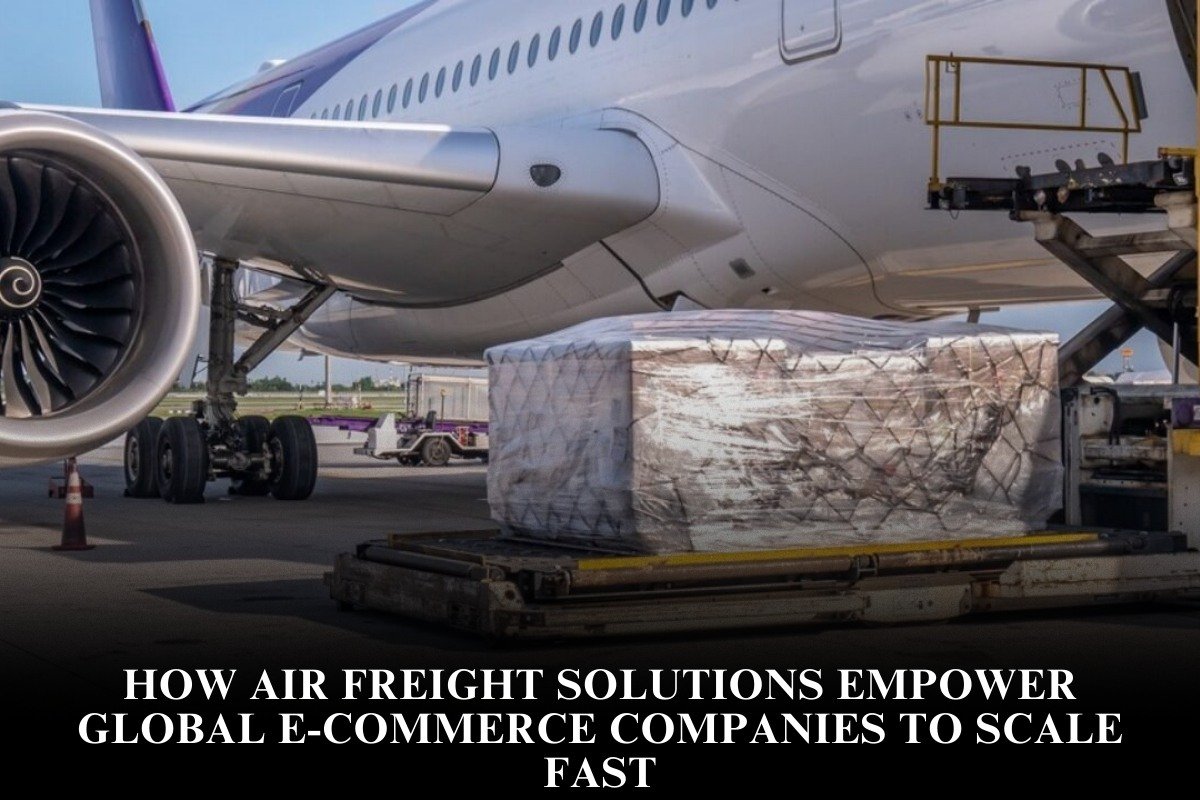
Air cargo accelerates B2B supply chains, reducing warehousing via fast customs and low insurance from minimal transit risks. It powers e-commerce/cross-border retail, with 26 months of growth in 2025 fueling 2026 resilience despite protectionism. Partnerships provide space commitments, digital tracking, and multimodal options for emerging markets.
Key Benefits of Strategic Partnerships
Freight forwarders (FFs) offer expertise in docs/customs, track/trace, and value-adds like insurance/warehousing, slashing delays/costs. U.S. exporters gain preferential rates, priority lanes (e.g., pharma from Hyderabad), and resilience vs. tariffs via reroutes. Reliability—strict schedules, security—ensures predictable JIT for electronics/auto.
Navigating Challenges in Cross-Border Logistics
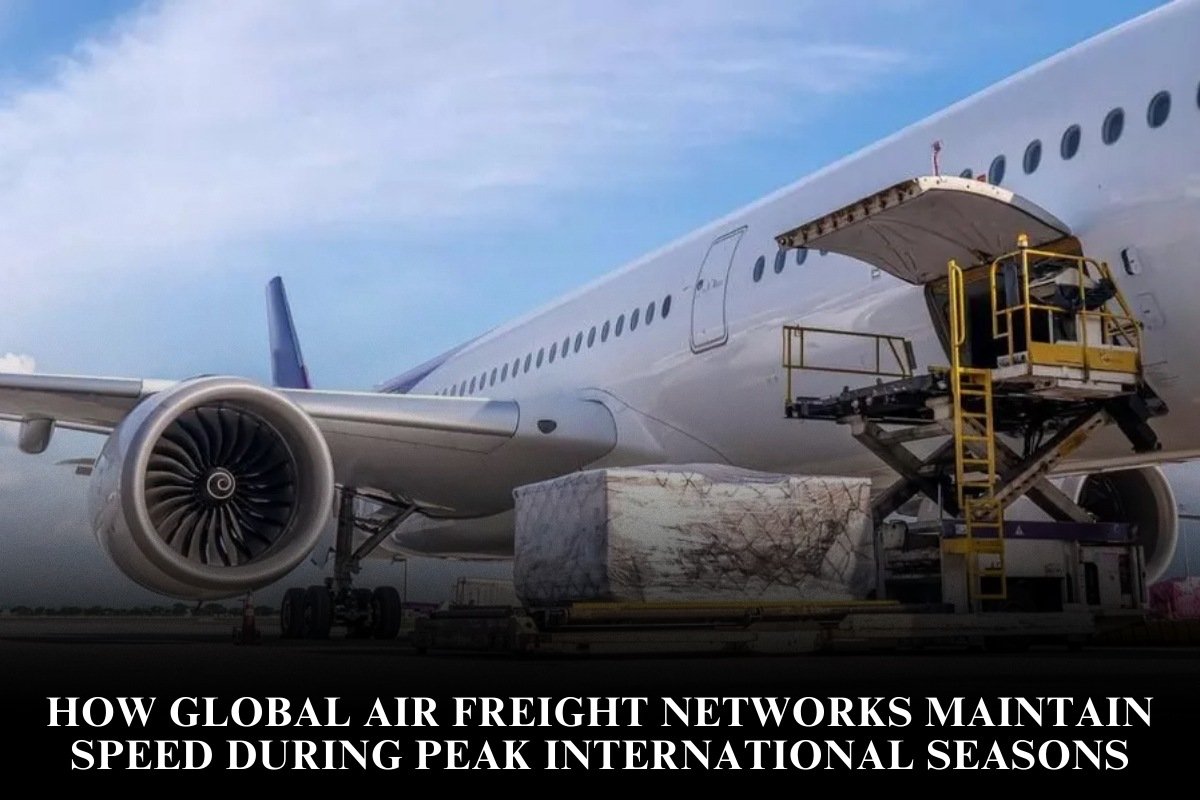
Capacity limits peak seasons; partners book early, diversify hubs (e.g., China to Europe). Regulations/tariffs demand compliant networks; digital platforms automate quotes/bookings for 2026 efficiency. Geopolitics shifts flows—U.S. imports pivot from China.
Case Studies from U.S. Perspectives
Shipco’s outlook notes IATA’s 2.6% growth, with U.S. forwarders front-loading pre-tariffs. Mahindra Logistics’ 100+ partners handle pharma/ODC across U.S./Europe/Asia. SMEs thrive via iContainers’ visibility/resilience in emerging air routes.
Building Effective Partnerships
Select IATA-accredited FFs with global reach (50+ lanes); prioritize tech (real-time tracking), multimodal, and lane expertise. Negotiate space/rates; integrate APIs for end-to-end visibility. Diversify carriers for redundancy.
Future Trends Shaping 2026 Commerce
AI/semiconductor drives demand; e-commerce eases, freeing general cargo; Southeast/Middle East rise. Digital customs/air hubs expand; sustainability via efficient routes. U.S. partnerships position firms for growth.
FAQs
1. Why partner for air freight?
Expertise in customs/docs, rates/space, tracking reduces barriers/delays for JIT trade.
2. What 2026 growth projections?
IATA: 2.4% volume to 71.6M tonnes, revenues $158B; Asia-Pacific leads 6%.
3. How handle peak capacity?
Early booking, protected space, multimodal via specialized FFs.
4. Benefits for U.S. exporters?
Reroute tariffs, pharma lanes, digital visibility for global markets.
5. Key trends ahead?
AI/e-com shifts, Southeast growth, digital automation/sustainability.