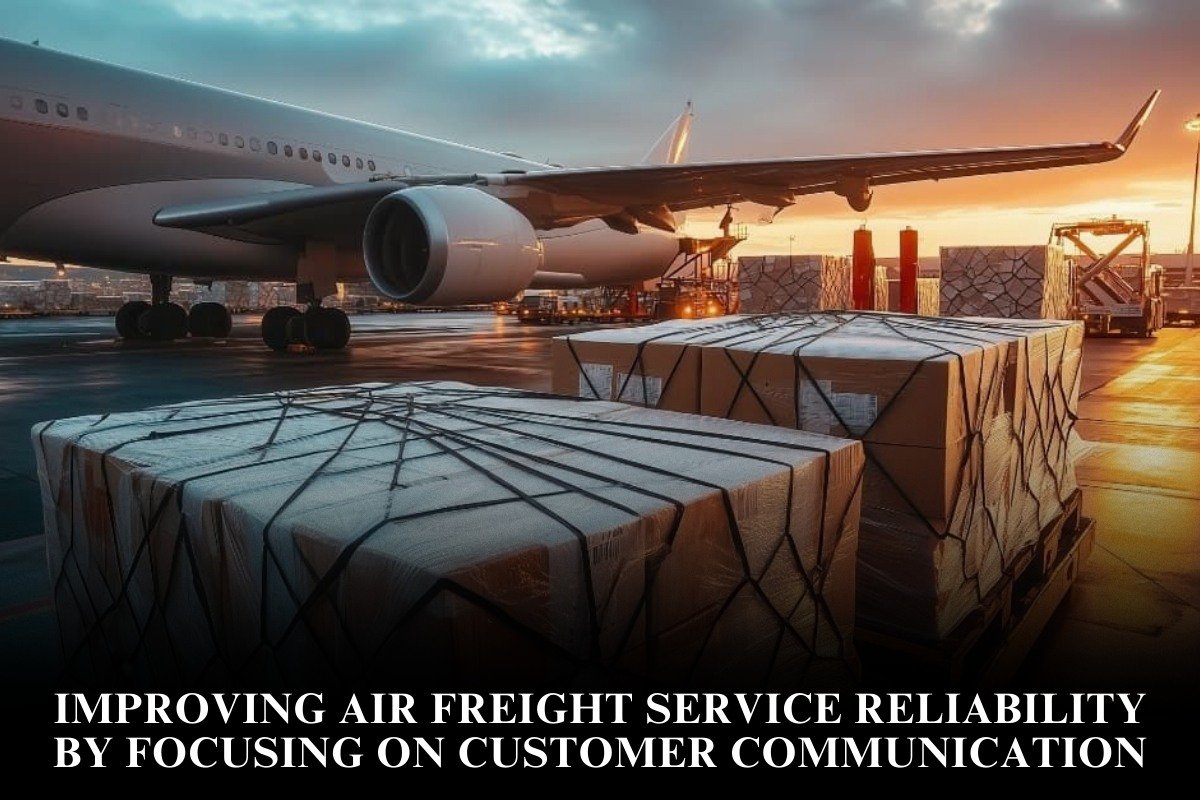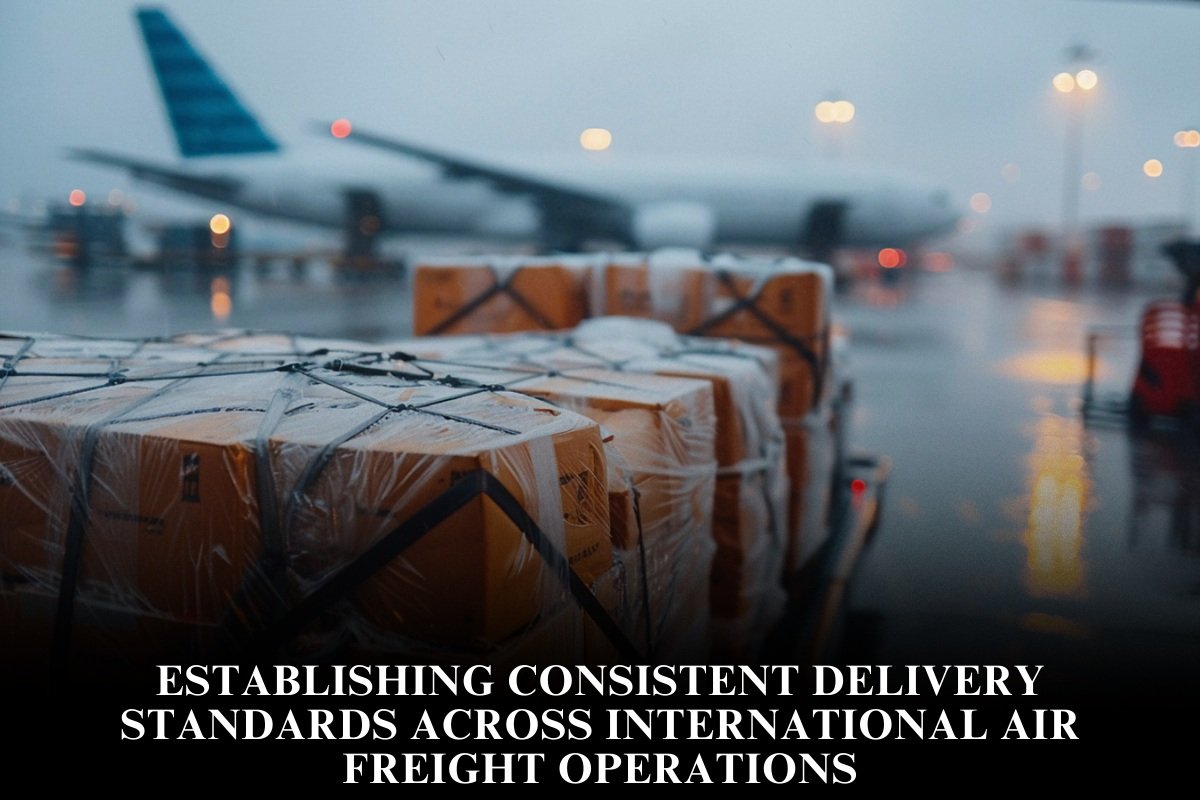
Establishing consistent delivery standards across international air freight operations is essential for maintaining reliability, customer trust, and supply chain efficiency. In global logistics, air freight is often used for high-value, time-sensitive, and perishable shipments that require precise coordination across borders.
However, differences in handling procedures, documentation practices, customs processes, and service expectations can create delays and inconsistencies. Clear and standardized delivery standards help reduce these risks by improving operational alignment among airlines, freight forwarders, cargo handlers, customs authorities, and final delivery partners. In a highly competitive logistics environment, consistency is a major factor in performance and customer satisfaction.
Why Consistency Matters in International Air Freight
International air freight involves multiple parties operating across different countries, regulations, and transport systems. Without consistent delivery standards, shipments may be exposed to unnecessary handling errors, miscommunication, delays, or quality failures. For customers, inconsistent service can lead to missed deadlines, damaged goods, financial loss, and reduced confidence in logistics providers.
Standardized delivery expectations support smoother operations by ensuring that every stage of the shipment process follows clear procedures. From booking and packaging to cargo handling, tracking, customs clearance, and final delivery, consistency improves visibility and accountability. This is especially important when transporting goods that require strict timing, secure handling, or temperature control.
Key Areas Where Delivery Standards Are Needed
Consistent delivery standards should be applied across the full air freight process to create reliable outcomes and reduce avoidable variation.
| Operational Area | Purpose of Standardization |
|---|---|
| Shipment documentation | Reduces errors and supports faster clearance |
| Cargo handling procedures | Protects goods from damage or misrouting |
| Transit time expectations | Improves planning and customer confidence |
| Tracking and communication | Increases shipment visibility and updates |
| Customs coordination | Minimizes border delays and compliance issues |
| Final delivery protocols | Ensures accurate and timely handover |
When standards are clearly defined in these areas, logistics providers can deliver more dependable international service.
Benefits of Consistent Delivery Standards
Consistent delivery standards create value for both service providers and customers. They help logistics companies manage operations more effectively while also improving the customer experience.
- Improves reliability across different trade routes
- Reduces shipment delays and handling errors
- Strengthens customer confidence and service credibility
- Supports compliance with international shipping requirements
- Enhances coordination among logistics partners
- Improves performance measurement and accountability
These benefits are particularly important in industries where delivery timing and cargo condition directly affect commercial success.
Common Challenges in Maintaining Consistency
Despite the importance of standardization, achieving consistency across international air freight operations can be difficult. Different countries may have unique customs procedures, infrastructure quality, staffing practices, and regulatory requirements. Service providers may also rely on multiple subcontractors or local partners who follow different operational methods.
| Challenge | Impact on Delivery Consistency |
|---|---|
| Regulatory differences | Creates variation in clearance and compliance procedures |
| Airport infrastructure gaps | Affects cargo speed, storage, and handling quality |
| Multiple service partners | Increases the risk of communication breakdowns |
| Manual documentation processes | Leads to delays and data errors |
| Inconsistent staff training | Causes uneven service quality and handling standards |
These challenges highlight why global air freight operators must invest in shared procedures, digital systems, and training programs.
Strategies for Establishing Strong Delivery Standards
To improve consistency, international air freight operations should focus on standardization, communication, and continuous performance monitoring. Standards should be practical, measurable, and understood by every party involved in the shipment journey.
Important strategies include:
- Developing standardized operating procedures for all shipment stages
- Using digital documentation and real-time tracking systems
- Training staff and partners on handling, safety, and service expectations
- Defining clear service-level agreements across the logistics network
- Monitoring delivery performance through measurable indicators
- Conducting regular audits and process reviews to identify weaknesses
These actions help reduce operational variation and support more dependable delivery outcomes across different countries and routes.
The Role of Technology in Standardization
Technology plays a major role in establishing consistent delivery standards in air freight. Digital platforms improve visibility, automate updates, reduce paperwork errors, and help logistics teams coordinate across time zones and borders. Real-time shipment tracking, electronic documentation, and data-based performance reporting make it easier to manage expectations and respond quickly when problems arise.
Modern systems also support better forecasting and decision-making. When logistics providers can track delays, monitor cargo status, and analyze service performance, they are better equipped to maintain consistent delivery quality and improve future operations.
Long-Term Value for Global Trade
Consistent delivery standards do more than improve day-to-day freight performance. They also strengthen international trade by making air cargo services more predictable and trustworthy. Businesses are more likely to expand into global markets when they can rely on logistics partners to deliver goods safely and on time. Standardization therefore supports not only operational efficiency but also broader trade growth and supply chain resilience.
FAQs
What are delivery standards in international air freight?
Delivery standards are defined procedures and service expectations that guide how shipments are documented, handled, tracked, cleared, and delivered across international air freight operations.
Why are consistent delivery standards important?
They are important because they reduce delays, improve cargo safety, strengthen reliability, and help customers receive more predictable service across borders.
What causes inconsistency in air freight operations?
Common causes include regulatory differences, infrastructure limitations, communication gaps, manual processes, and uneven training across logistics partners.
How can air freight companies improve delivery consistency?
They can improve consistency by standardizing procedures, using digital systems, training staff, setting clear performance targets, and monitoring operations regularly.
Does technology help establish delivery standards?
Yes. Technology supports consistency by improving tracking, reducing documentation errors, enhancing communication, and providing performance data for better operational control.