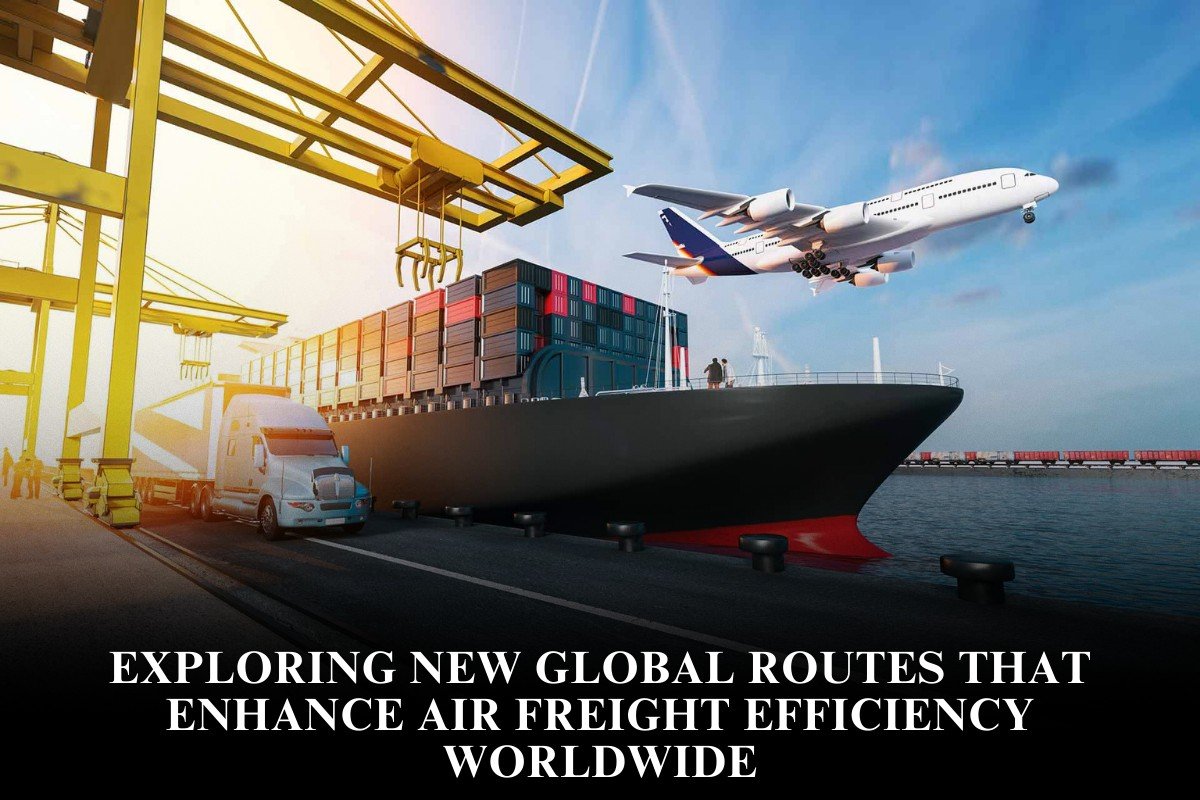
As the global demand for faster, more reliable transportation increases, air freight has become a critical component of the international supply chain. To meet these demands, air freight companies are continually looking for new global routes that enhance efficiency, reduce costs, and improve delivery times.
The strategic development of new routes plays a key role in addressing logistical challenges, optimizing cargo flow, and providing businesses with greater flexibility in moving goods worldwide. In this article, we explore how the expansion and optimization of air freight routes are reshaping the global logistics landscape.
The Role of Air Freight in Global Trade
Air freight is vital for transporting time-sensitive and high-value goods, such as electronics, pharmaceuticals, and luxury items. Unlike sea or land transport, air freight offers significantly faster delivery times, which is crucial in today’s fast-paced global marketplace. The increasing need for quicker and more reliable deliveries, particularly in e-commerce and manufacturing, has led to a growing demand for more efficient air freight routes.
The expansion of air freight routes not only helps companies meet consumer expectations for rapid delivery but also offers benefits such as reduced supply chain disruptions and optimized capacity utilization. By improving air cargo efficiency, businesses can reduce costs and improve their global competitiveness.
1. Expanding Trade Corridors to Emerging Markets
As global trade continues to expand, emerging markets in Asia, Africa, and Latin America are seeing increasing demand for air freight services. Many of these regions lack sufficient land or sea transport infrastructure, making air freight the most viable option for international shipping. The opening of new trade corridors in these regions is key to supporting global supply chains and driving economic growth.
- Asia to Africa Routes: Trade between Asia and Africa has been steadily increasing, with China and India playing leading roles as major exporters to the African continent. New air freight routes connecting major Chinese and Indian cities to key African hubs like Nairobi, Johannesburg, and Lagos allow faster deliveries of goods such as electronics, clothing, and raw materials.
- Latin American Connectivity: Latin American markets are benefiting from expanded air freight services, especially between major cities like São Paulo, Mexico City, and Miami. Increased air cargo connectivity helps boost trade in sectors like agriculture, automotive, and textiles, while also providing faster access to key North American and European markets.
By opening new routes to these emerging markets, businesses can reduce shipping times, improve inventory management, and tap into previously underserved regions.
2. Utilizing Direct, Nonstop Routes to Reduce Transit Times
One of the most effective ways to enhance air freight efficiency is to reduce the number of transit stops. Direct, nonstop flights between major air cargo hubs not only reduce the time required to move goods but also increase overall system efficiency by minimizing the chances of delays or handling errors at intermediary airports.
- Nonstop Transatlantic and Transpacific Routes: The rise in nonstop air freight routes between major cities like New York, Los Angeles, London, and Shanghai has drastically reduced transit times. These routes allow businesses to ship goods across long distances without the delays associated with layovers, fueling faster deliveries and reducing operational costs.
- Strategic Hubs: Key airports such as Dubai International Airport, Singapore Changi Airport, and Hong Kong International Airport have become central hubs for air freight, providing direct connections to both established and emerging markets. Expanding direct flights from these hubs enhances global connectivity and increases the overall efficiency of the air freight network.
By improving the frequency and connectivity of nonstop flights, airlines can offer more reliable delivery timelines, which is especially important for industries with strict delivery deadlines, like pharmaceuticals or high-tech products.
3. Incorporating Advanced Technology and Air Traffic Management Systems
Efficient air freight routes are not only about where and how often planes fly but also about improving the logistics of air traffic management. Advanced technologies such as artificial intelligence (AI), blockchain, and satellite-based navigation systems are helping airlines optimize flight paths, reduce fuel consumption, and improve the overall management of air traffic.
- AI-Driven Route Optimization: AI and machine learning tools are being increasingly used to analyze factors like weather patterns, air traffic, and fuel consumption to recommend the most efficient flight routes. These technologies can help airlines identify the best ways to reduce delays, optimize aircraft fuel usage, and minimize unnecessary detours, ultimately reducing shipping times and costs.
- Satellite-Based Navigation: New satellite-based navigation systems, such as the European Union’s Galileo system, provide more precise tracking of aircraft and cargo. This allows for more flexible and efficient route planning, as well as real-time updates on the status of shipments, reducing the likelihood of delays caused by miscommunication or poor air traffic coordination.
Implementing these advanced technologies not only enhances the efficiency of existing routes but also supports the development of future air freight networks that can handle increased volumes of cargo.
4. Revitalizing Traditional Routes and Expanding Regional Networks
In addition to creating new global air freight routes, optimizing and revitalizing existing routes plays an essential role in enhancing efficiency. Many traditional air freight corridors, such as Europe to North America or the Middle East to Asia, continue to be high-demand routes, but older infrastructure may no longer be able to handle increased volume or evolving demands.
- Upgrading Infrastructure: Upgrading infrastructure at key airports along major trade corridors can help streamline operations and improve the handling of larger volumes of air freight. For example, modernizing cargo terminals, implementing automated sorting systems, and enhancing customs processing can reduce delays and improve throughput.
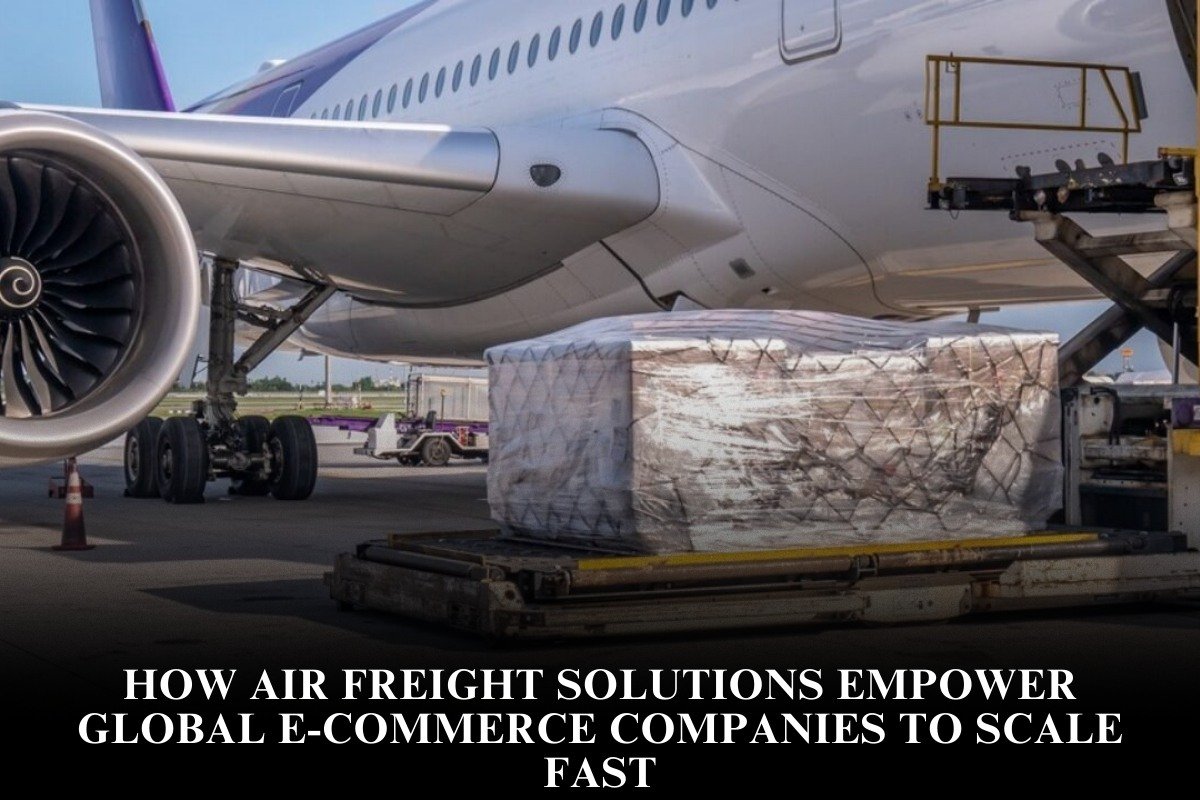
- Regional Routes for Last-Mile Deliveries: With the rise of e-commerce and demand for faster deliveries, regional air freight routes are becoming increasingly important. By offering air cargo solutions to cover last-mile deliveries within continents—such as regional air links in Europe, Africa, or Southeast Asia—airlines can provide faster service for smaller cargo shipments, reducing the time it takes to deliver goods to end customers.
5. Sustainability and the Future of Air Freight Routes
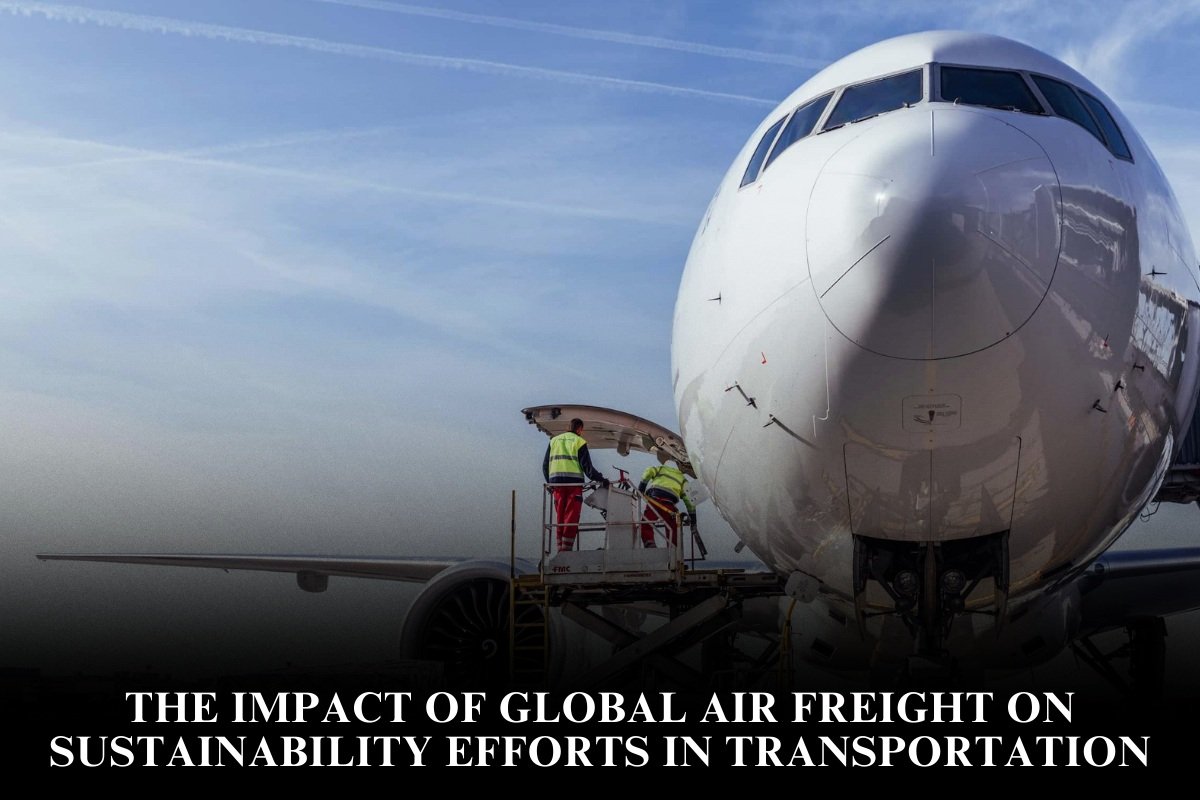
As sustainability becomes a greater concern in global logistics, airlines and freight companies are looking to reduce the environmental impact of air freight operations. The aviation industry is investing in newer, more fuel-efficient aircraft and exploring alternative fuels, such as biofuels, to reduce carbon emissions and fuel consumption.
- Sustainable Aircraft: The development and adoption of fuel-efficient aircraft can reduce the environmental footprint of air freight, making air transport a more sustainable choice for businesses that need to balance speed with environmental impact.
- Carbon Offset Programs: Many companies are integrating carbon offset programs to mitigate the impact of their air freight operations. By investing in carbon-reducing projects, airlines can provide businesses with more environmentally friendly shipping options.
The shift toward sustainability not only aligns with global environmental goals but also allows businesses to meet growing consumer demand for eco-conscious shipping practices.
FAQs
How do new air freight routes improve efficiency?
New air freight routes reduce transit times, optimize flight paths, and enhance global connectivity, improving the speed and reliability of shipments.
What is the role of AI in air freight route optimization?
AI-driven tools analyze factors like weather and air traffic to recommend the most efficient flight routes, reducing delays and fuel consumption.
How does air freight contribute to global supply chains?
Air freight enables faster delivery of time-sensitive goods, improves inventory management, and supports businesses in reaching global markets efficiently.
Are there sustainable practices in air freight?
Yes, airlines are adopting fuel-efficient aircraft, exploring alternative fuels, and offering carbon offset programs to reduce the environmental impact of air freight.
Why are nonstop routes important for air freight?
Nonstop routes reduce transit times, minimize delays, and optimize the use of air cargo capacity, ensuring faster and more reliable deliveries.