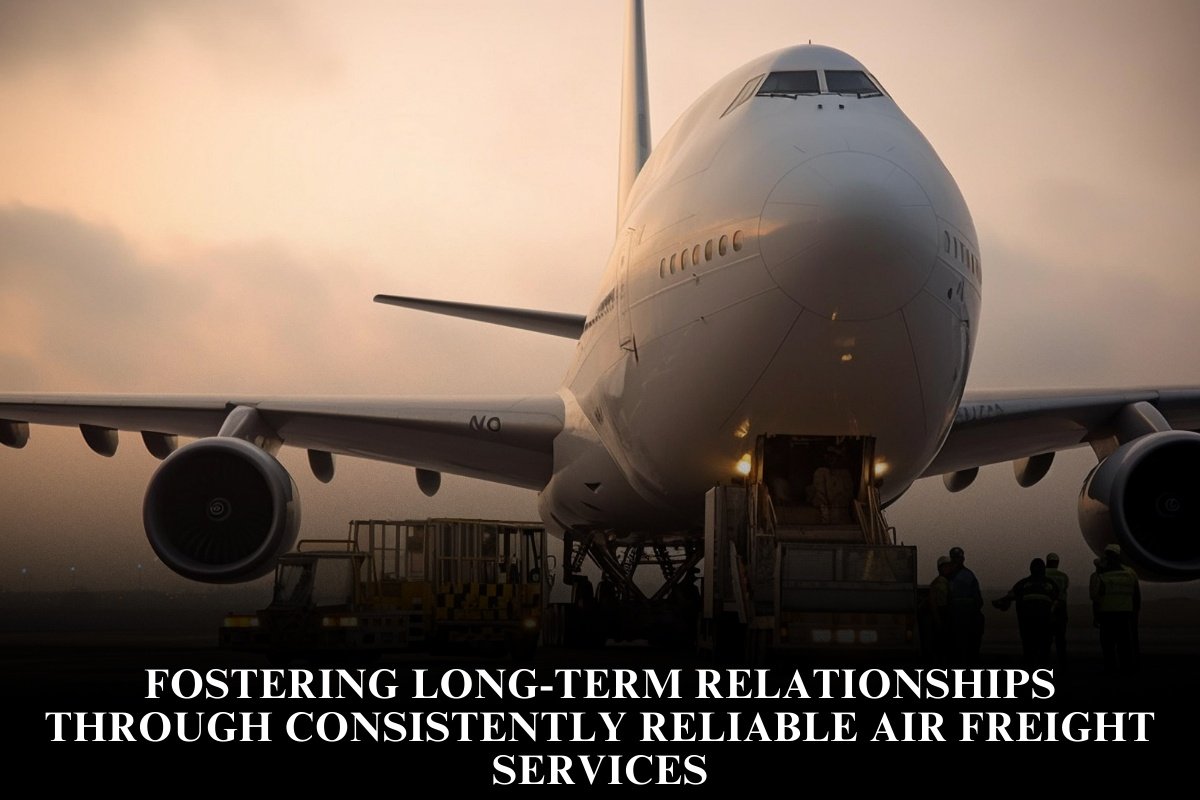
In the competitive world of logistics, air freight services are essential for the rapid movement of goods across the globe. However, the speed and efficiency provided by air freight can only be valuable if they come with consistency and reliability. For businesses that depend on timely deliveries to meet customer demands, the quality of air freight services is often the deciding factor in building strong, long-term partnerships.
The Importance of Reliability in Air Freight
Reliability is the cornerstone of any successful air freight operation. It ensures that shipments arrive on time, in the right condition, and without costly delays or disruptions. For businesses, reliability in air freight is crucial because:
- Timely Deliveries: Air freight allows businesses to meet tight deadlines and maintain competitive advantages. Ensuring on-time deliveries helps businesses uphold their reputation with customers and partners.
- Predictability: Consistent service means businesses can plan operations, manage inventory, and anticipate customer needs. This predictability reduces uncertainty and operational risks.
- Customer Satisfaction: Businesses depend on on-time shipments to fulfill customer orders and meet the demands of e-commerce, retail, and manufacturing industries. Reliable air freight services directly contribute to customer satisfaction.
How to Build Long-Term Relationships in Air Freight
Long-term relationships in the air freight industry are built on trust, communication, and consistent performance. The following strategies are key to fostering these relationships:
1. Consistent and On-Time Delivery
The backbone of any strong partnership in air freight is the ability to deliver consistently on time. This means:
- Optimizing Routes: Air freight operators use data analytics and advanced route planning to ensure deliveries are made within specified time frames. Efficient routing, timely connections, and optimized flight schedules are key to ensuring that shipments reach their destinations without delays.
- Reliability in Adverse Conditions: Maintaining reliable services during peak seasons, adverse weather conditions, or operational disruptions is vital. This requires strong contingency planning, such as having backup routes or alternative carriers to avoid delays.
- Tracking and Transparency: Real-time shipment tracking and proactive communication provide customers with visibility into their shipments’ progress. This helps reassure customers that their goods are moving on schedule and allows businesses to adjust quickly if any issues arise.
2. Flexibility and Adaptability
Air freight companies must demonstrate flexibility to meet the changing needs of their clients. Businesses rely on freight services that can:
- Adapt to Changing Demands: The logistics industry is dynamic, and customer needs can change rapidly. Air freight operators should be able to adjust quickly to meet sudden increases in demand, such as during peak shopping seasons or urgent shipments.
- Offer Custom Solutions: Whether it’s handling specialized cargo, managing emergency shipments, or adjusting to new regulatory requirements, air freight companies must be adaptable and provide tailored solutions to meet the unique needs of each client.
- Innovate: Embracing new technologies, such as AI-driven route optimization, sustainability initiatives, or digital tracking platforms, can significantly improve the reliability and efficiency of services.
3. Clear and Open Communication
Building long-term relationships with air freight partners requires effective communication. Here are some ways communication plays a critical role in fostering trust:
- Proactive Communication: Air freight providers should communicate potential issues or delays before they affect the client. Early warnings about weather disruptions, customs delays, or capacity constraints allow businesses to adjust their plans accordingly.
- Transparent Reporting: Offering clear and detailed reports on the status of shipments, any issues encountered, and corrective actions taken is vital for maintaining trust. Real-time updates and easy access to tracking information help businesses stay informed at every stage.
- Customer Support: Air freight operators should provide responsive customer support to address concerns, answer questions, and assist with any unexpected challenges. 24/7 availability ensures that customers feel supported, especially in urgent situations.
4. Offering Cost Efficiency
While reliability is critical, the cost of air freight services must also remain competitive. For long-term relationships, businesses need air freight providers that:
- Provide Competitive Rates: Competitive pricing for air freight services is crucial, but it shouldn’t come at the cost of service quality. Offering transparent pricing models and cost-effective solutions that meet clients’ budgets can help build long-term loyalty.
- Optimize Freight Costs: Using technologies such as AI and machine learning, air freight companies can optimize logistics, reducing unnecessary costs while improving service delivery. This includes optimizing flight routes, minimizing fuel consumption, and reducing handling fees.
5. Emphasizing Sustainability
Sustainability is becoming increasingly important in global supply chains. Customers are more inclined to partner with businesses that demonstrate environmental responsibility. To foster long-term relationships, air freight operators can:
- Adopt Sustainable Practices: Investing in sustainable aviation fuels (SAF), reducing carbon emissions, and optimizing operational processes to reduce waste can help air freight companies align with growing environmental expectations.
- Transparent Sustainability Reporting: Providing clients with clear information about sustainability efforts can foster trust. Businesses are looking for air freight partners who align with their corporate responsibility goals.
6. Reliability Through Strong Partnerships
Strong partnerships are key to ensuring reliability in air freight services. Whether it’s through alliances with airlines, ground handlers, or customs brokers, collaboration across the supply chain ensures seamless service delivery. Air freight operators should:
- Partner with Trusted Airlines and Ground Services: Long-term relationships with airlines and ground handling partners help ensure consistent service levels and minimize delays at airports.
- Collaborate with Customs Authorities: Efficient customs clearance processes are critical to maintaining speed and reliability. Air freight operators that work closely with customs authorities ensure quicker approvals, reducing the risk of shipment delays.
Building long-term relationships in the air freight industry requires more than just on-time deliveries. It involves consistent reliability, flexibility, transparent communication, and a commitment to sustainability.
By focusing on these factors, air freight operators can forge strong, lasting partnerships with their clients and provide a level of service that businesses can rely on, even during peak periods. In a world where speed and efficiency are essential, maintaining these high standards is the key to ensuring continued success and growth in the competitive logistics industry.
FAQs
Q1: How do air freight operators maintain reliability during peak seasons?
A1: Air freight operators maintain reliability by optimizing flight routes, increasing frequency of flights, using real-time tracking systems, and collaborating closely with ground services and customs authorities.
Q2: Why is flexibility important for long-term relationships in air freight?
A2: Flexibility allows air freight companies to meet changing customer demands, provide custom solutions for unique needs, and adapt quickly to unforeseen circumstances, all of which strengthen long-term partnerships.
Q3: How do air freight companies improve cost efficiency?
A3: Air freight operators improve cost efficiency by optimizing logistics, using AI and machine learning to reduce operational costs, and offering competitive pricing while maintaining high service standards.
Q4: What role does sustainability play in air freight services?
A4: Sustainability is increasingly important in the air freight sector. By adopting sustainable practices like using sustainable aviation fuels (SAF) and reducing carbon emissions, air freight companies align with environmental expectations and enhance long-term customer loyalty.
Q5: How can air freight companies foster strong relationships with clients?
A5: By providing reliable services, transparent communication, and cost-effective solutions, air freight operators can build and maintain strong, lasting relationships with their clients, ensuring long-term business success.