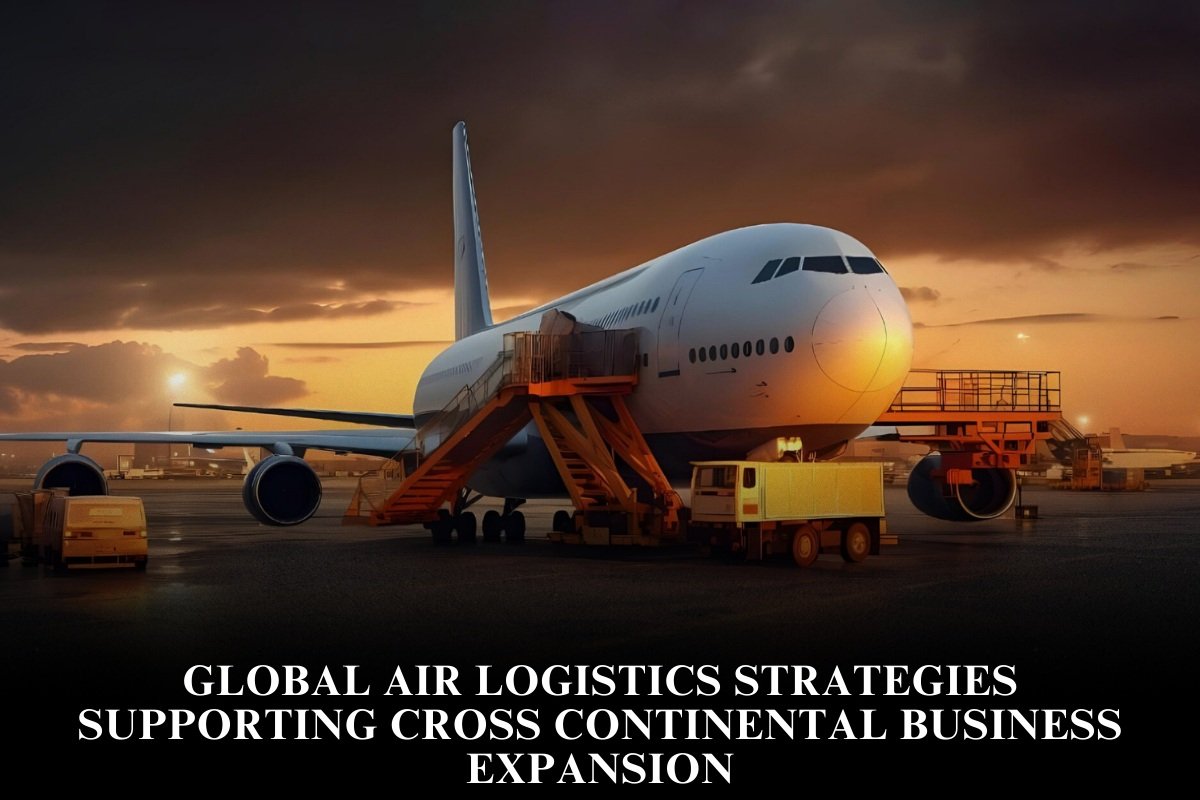
Global trade has expanded rapidly over the past few decades, and businesses increasingly rely on efficient logistics systems to operate across international markets. Air logistics has become a critical component of global supply chains because it enables fast, reliable, and secure transportation of goods across continents. Companies expanding into international markets depend on strong air logistics strategies to maintain supply chain efficiency and meet customer expectations.
With increasing globalization, businesses must develop strategic logistics frameworks that ensure timely delivery, cost control, and operational flexibility. Effective air logistics strategies allow companies to move products quickly between continents while maintaining high service standards.
Importance of Air Logistics in Global Business Expansion
Air logistics plays a vital role in supporting businesses that operate in multiple regions around the world. Unlike other transportation methods, air freight provides unmatched speed and reliability, making it ideal for time-sensitive shipments.
Key benefits of air logistics include:
- Faster international delivery times
- Improved reliability for urgent shipments
- Reduced inventory storage needs
- Support for global e-commerce operations
- Enhanced access to emerging markets
These advantages allow companies to respond quickly to market demands and maintain competitive positions in global industries.
Key Components of Global Air Logistics Strategies
Successful cross-continental logistics strategies require careful planning and coordination between multiple stakeholders.
Strategic Hub and Spoke Networks
Many logistics providers use a hub-and-spoke system to optimize international air transportation. In this model, major airports act as central hubs where shipments are consolidated before being distributed to smaller regional airports.
Benefits of this strategy include:
- Efficient cargo consolidation
- Lower transportation costs
- Improved routing flexibility
- Faster transfer between international destinations
Major global hubs often serve as key gateways for international trade.
Advanced Cargo Tracking Technology
Modern air logistics strategies rely heavily on digital technologies that allow real-time shipment monitoring.
These technologies include:
- GPS tracking systems
- IoT-enabled cargo sensors
- Cloud-based logistics platforms
- Automated supply chain management tools
Real-time tracking helps businesses maintain visibility across the supply chain and respond quickly to disruptions.
Partnerships with Global Logistics Providers
Businesses expanding across continents often collaborate with specialized logistics companies that have established global networks.
Such partnerships offer advantages such as:
- Access to global transportation infrastructure
- Expertise in international shipping regulations
- Customs clearance assistance
- Reduced logistical complexity
Working with experienced logistics partners ensures smoother international operations.
Air Freight Logistics Process
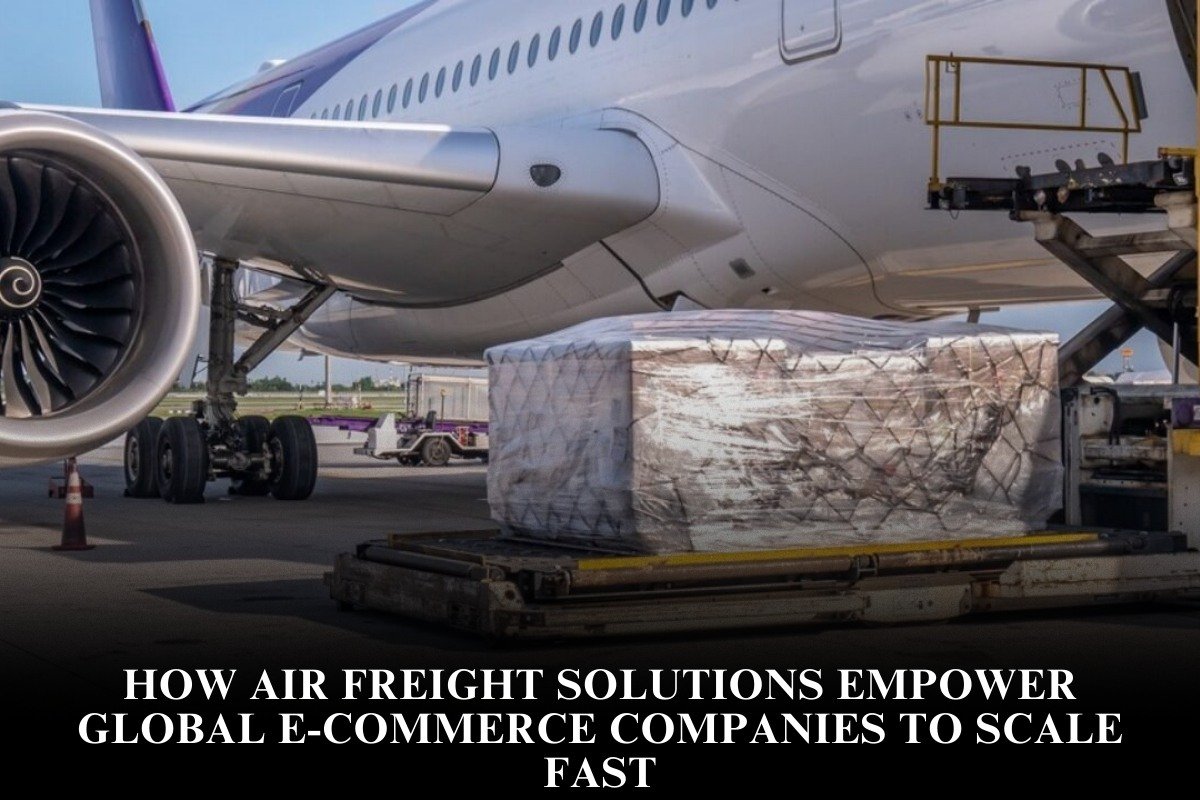
The air freight process involves several stages that ensure goods are transported safely and efficiently.
| Stage | Description | Importance |
|---|---|---|
| Cargo Booking | Scheduling space on cargo aircraft | Ensures timely shipment |
| Packaging & Handling | Securing goods for safe transport | Prevents damage |
| Customs Clearance | Compliance with international trade regulations | Avoids shipment delays |
| Air Transportation | Moving goods between international airports | Enables rapid delivery |
| Final Distribution | Transport to the final destination | Completes the logistics chain |
Each step plays an important role in maintaining efficient cross-continental logistics operations.
Challenges in Cross Continental Air Logistics
Despite its advantages, air logistics also presents certain challenges that businesses must manage carefully.
Common challenges include:
- High transportation costs compared to sea freight
- Strict international aviation regulations
- Limited cargo capacity during peak seasons
- Weather-related disruptions
- Complex customs procedures
To overcome these obstacles, companies often develop contingency plans and diversify their logistics networks.
Sustainable Air Logistics Strategies
Environmental concerns are pushing logistics companies to adopt more sustainable practices. Many organizations are implementing strategies to reduce carbon emissions and improve fuel efficiency.
Examples of sustainable air logistics initiatives include:
- Using fuel-efficient aircraft
- Optimizing cargo loads to reduce empty space
- Investing in sustainable aviation fuel (SAF)
- Implementing carbon offset programs
These efforts help balance global business growth with environmental responsibility.
Role of Technology in Modern Air Logistics
Technological innovation continues to transform global air logistics operations.
Important technologies include:
- Artificial intelligence for route optimization
- Blockchain for secure supply chain transactions
- Automated cargo handling systems
- Predictive analytics for demand forecasting
These technologies improve efficiency, reduce operational risks, and enhance transparency across global supply chains.
Future Trends in Global Air Logistics
The future of air logistics will likely be shaped by increased digitalization and greater demand for rapid delivery services.
Emerging trends include:
- Expansion of dedicated cargo airlines
- Growth of same-day international delivery services
- Integration of autonomous cargo handling systems
- Increased investment in sustainable aviation technologies
These developments will further strengthen the role of air logistics in supporting international business expansion.
FAQs
What is global air logistics?
Global air logistics refers to the planning and management of air freight transportation across international locations to support supply chain operations.
Why do businesses use air freight for international expansion?
Air freight provides faster delivery times, improved reliability, and the ability to transport high-value or time-sensitive goods across long distances.
What challenges affect cross continental air logistics?
Common challenges include high transportation costs, strict regulations, limited cargo capacity, and weather-related disruptions.
How does technology improve air logistics operations?
Technologies such as AI, GPS tracking, and blockchain improve shipment visibility, route planning, and supply chain security.
What are sustainable air logistics strategies?
Sustainable strategies include using fuel-efficient aircraft, adopting sustainable aviation fuel, optimizing cargo loads, and implementing carbon reduction initiatives.