The air cargo industry is undergoing rapid transformation driven by globalization, digital innovation, sustainability demands, and evolving customer expectations. Freight forwarders, positioned at the center of international logistics, play a crucial role in shaping the future of air cargo operations. As supply chains become more complex and time-sensitive, new trends are redefining how goods move across borders.
Digitalization and Smart Logistics Platforms
Technology is revolutionizing freight forwarding and air cargo management.
Key Digital Advancements:
- Real-time shipment tracking systems
- Cloud-based logistics management platforms
- Electronic air waybills (e-AWB)
- Automated documentation processing
- AI-driven route optimization
Digital tools reduce paperwork, improve transparency, and enhance operational efficiency. Freight forwarders increasingly rely on data analytics to predict disruptions and optimize delivery timelines.
Automation in Air Cargo Handling
Automation is transforming warehouse and cargo terminal operations.
Innovations Include:
- Robotic sorting systems
- Automated storage and retrieval systems (ASRS)
- Smart cargo scanning technology
- Drone-assisted inventory checks
Automation reduces human error, speeds up processing, and improves cargo security, particularly in high-volume hubs.
Automation Impact Overview
| Technology | Operational Benefit | Future Impact |
|---|---|---|
| Robotics | Faster cargo handling | Reduced labor dependency |
| AI Optimization | Efficient routing | Lower transit times |
| Digital Documentation | Less paperwork | Faster customs clearance |
| Smart Warehousing | Improved accuracy | Enhanced reliability |
Automation improves consistency and scalability in air cargo operations.
E-Commerce Growth Driving Demand
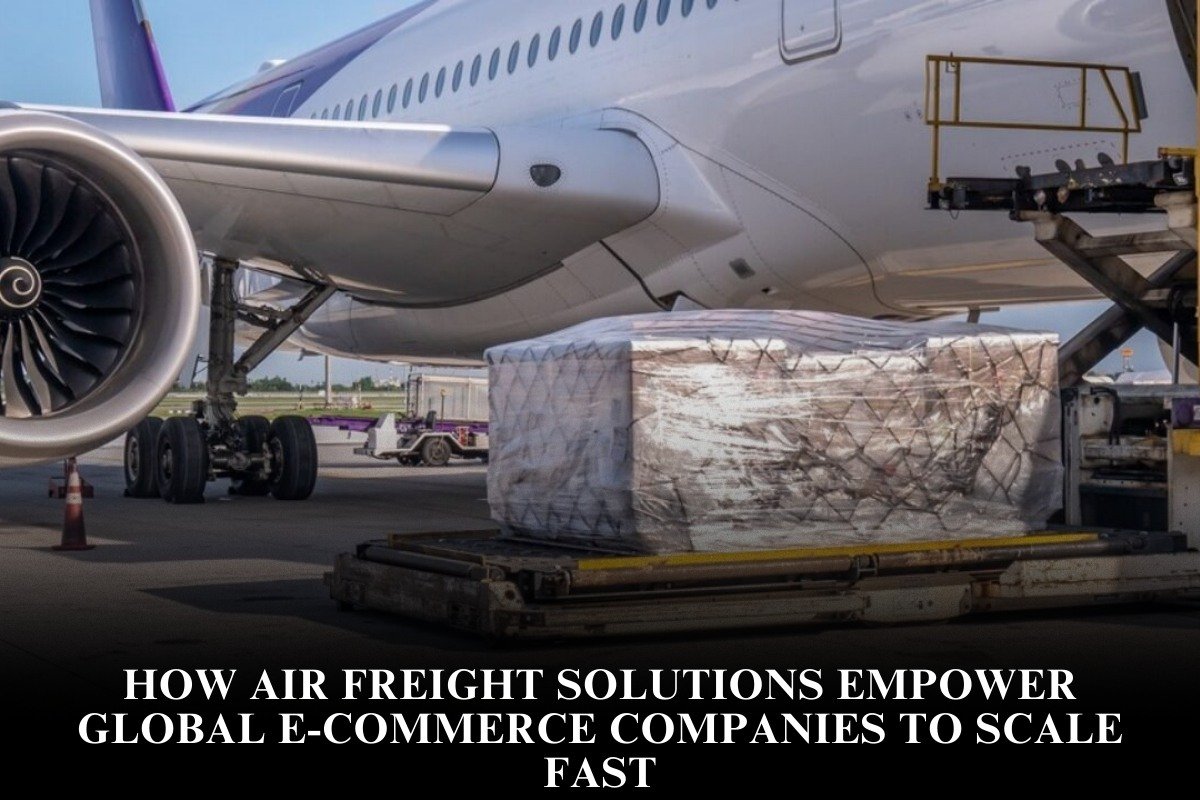
The global expansion of e-commerce has dramatically increased demand for fast, reliable air freight services.
Effects on Air Cargo Operations:
- Increased small parcel shipments
- Higher demand for express services
- Shorter delivery windows
- Expansion of regional air hubs
Freight forwarders must adapt to high-volume, time-sensitive shipments, particularly in cross-border retail markets.
Sustainability and Green Logistics
Environmental responsibility is now a priority across global logistics networks.
Sustainability Trends:
- Use of sustainable aviation fuel (SAF)
- Carbon offset programs
- Fuel-efficient aircraft investment
- Eco-friendly packaging solutions
- Optimized flight planning to reduce emissions
Forwarders are increasingly offering carbon-neutral shipping options to environmentally conscious customers.
Enhanced Supply Chain Visibility
Customers expect complete visibility over their shipments.
Visibility Improvements Include:
- End-to-end tracking platforms
- Predictive analytics dashboards
- Automated status alerts
- Integrated supply chain management systems
Greater transparency enhances trust and allows proactive issue resolution.
Multi-Modal Integration
Freight forwarders are integrating air cargo with other transport modes.
Multi-Modal Strategies:
- Air-sea combinations
- Air-road express links
- Rail-air partnerships
- Consolidated logistics hubs
Hybrid transport solutions optimize cost, speed, and efficiency depending on shipment urgency.
Resilience and Risk Management
Global disruptions such as pandemics, geopolitical tensions, and natural disasters have highlighted the need for resilient supply chains.
Risk Mitigation Approaches:
- Diversified carrier partnerships
- Flexible routing options
- Alternative hub utilization
- Real-time contingency planning
Freight forwarders are prioritizing agility to respond to sudden disruptions.
Advanced Customs and Trade Compliance Solutions
Regulatory complexity continues to increase in international trade.
Emerging Compliance Trends:
- Automated customs documentation
- Pre-clearance systems
- HS code classification software
- Blockchain-based trade documentation
Streamlined compliance reduces clearance delays and minimizes penalties.
Customer-Centric Service Models
Modern freight forwarding emphasizes personalized logistics solutions.
Customer-Oriented Innovations:
- Customized shipping packages
- Flexible pricing models
- Dedicated account management
- Integrated digital communication channels
Forwarders are shifting from transactional services to long-term logistics partnerships.
Data-Driven Decision Making
Big data analytics is shaping strategic planning.
Data Applications:
- Demand forecasting
- Capacity planning
- Risk prediction
- Performance monitoring
- Cost optimization
Data insights enable smarter operational decisions and improved profitability.
Future Outlook for Air Cargo Operations
The future of air cargo will be shaped by technological integration, sustainability efforts, and resilient supply chain design. Freight forwarders that invest in innovation, digital transformation, and strategic partnerships will lead the industry.
Emerging technologies such as AI-driven automation, predictive analytics, and blockchain documentation will continue to streamline global air cargo operations.
FAQs
How is digitalization impacting air cargo operations?
Digital tools improve tracking accuracy, reduce paperwork, and streamline customs processes.
Why is sustainability important in air freight?
Environmental concerns and regulatory pressures are driving adoption of fuel-efficient and low-emission practices.
How does e-commerce influence air cargo demand?
E-commerce increases the need for fast, small parcel shipments and express delivery services.
What role does automation play in air freight?
Automation enhances cargo handling efficiency, reduces errors, and accelerates processing times.
Will multi-modal logistics replace traditional air freight?
Multi-modal solutions complement air freight, offering cost-effective alternatives while maintaining speed when necessary.