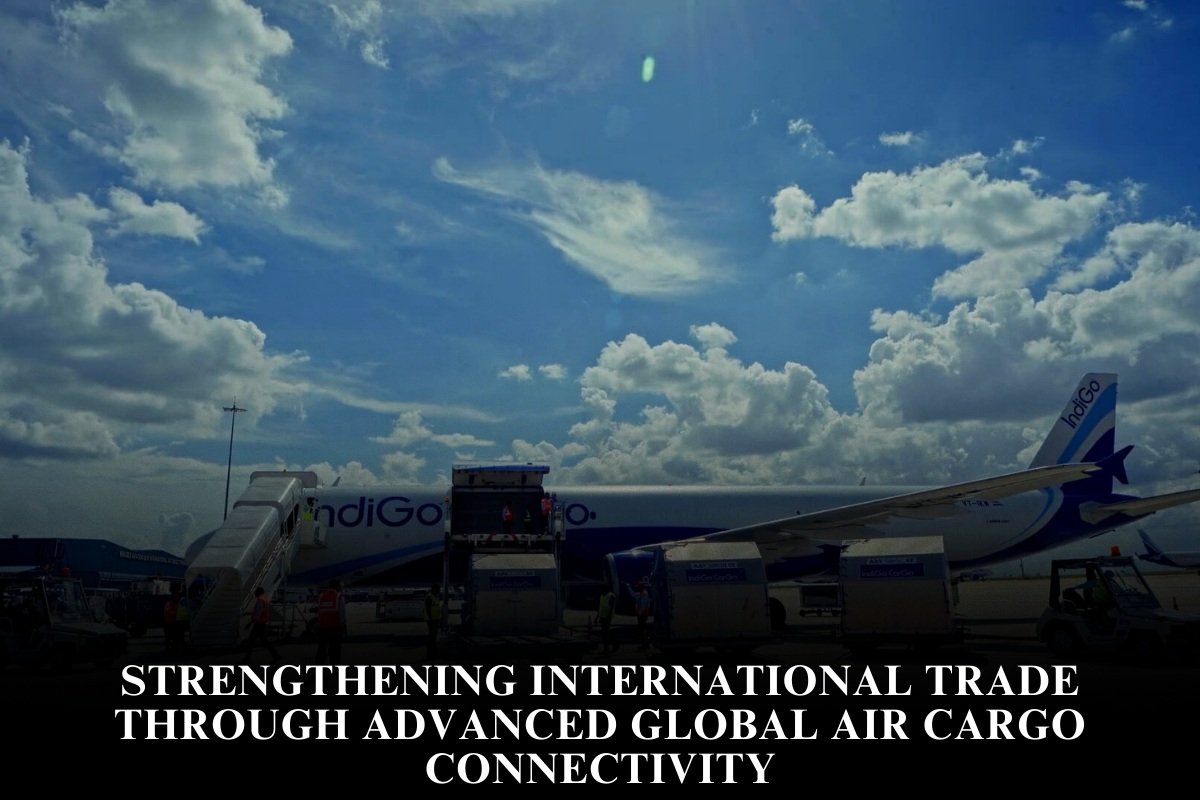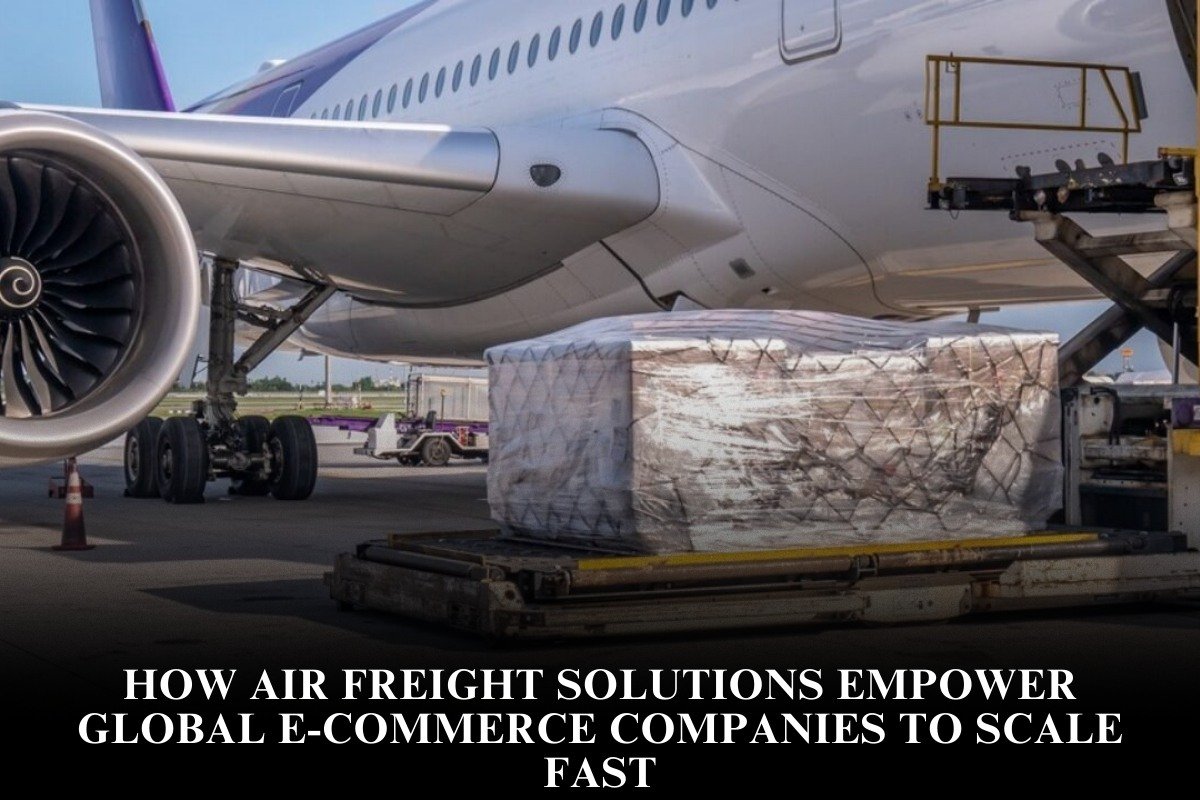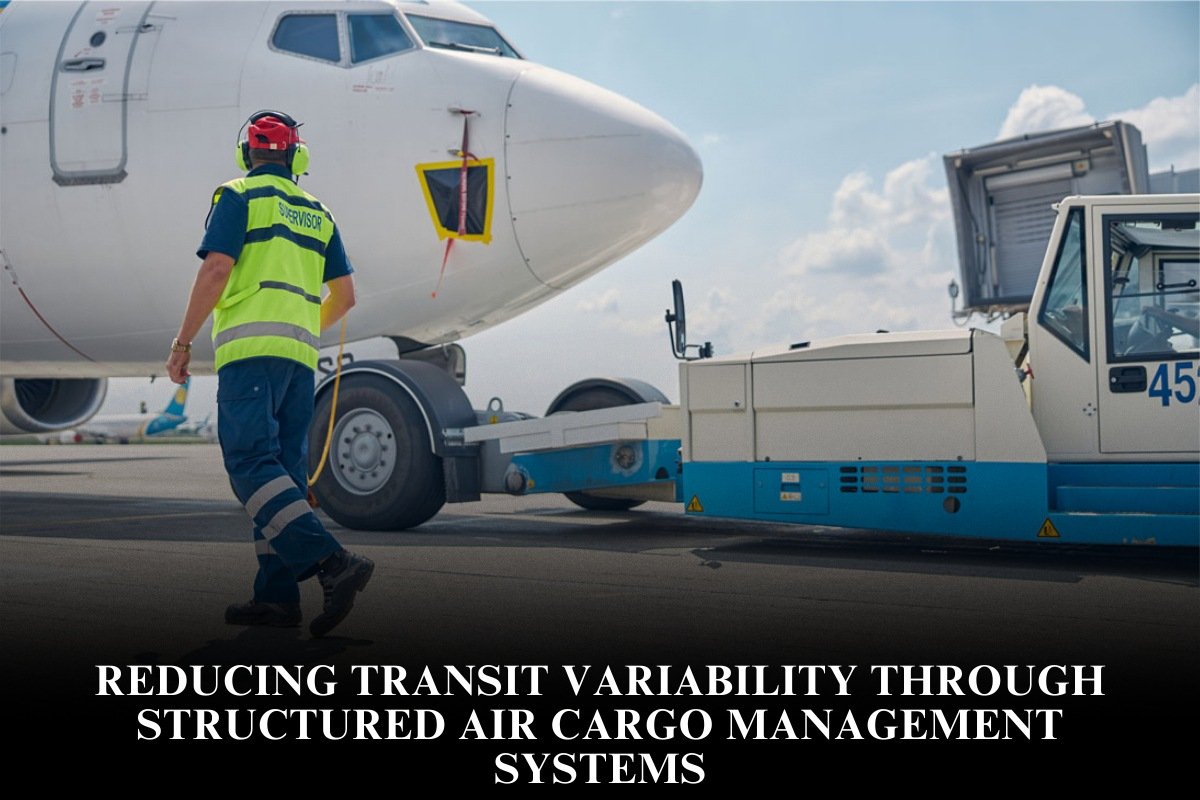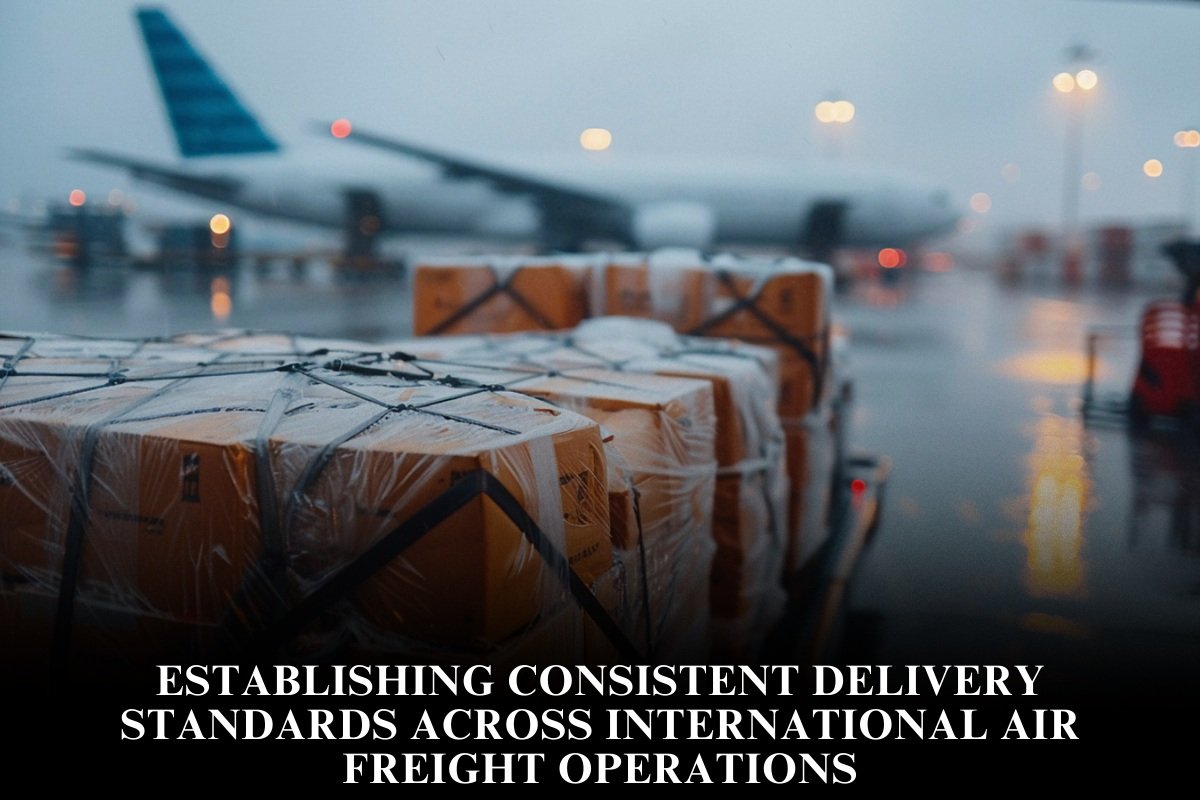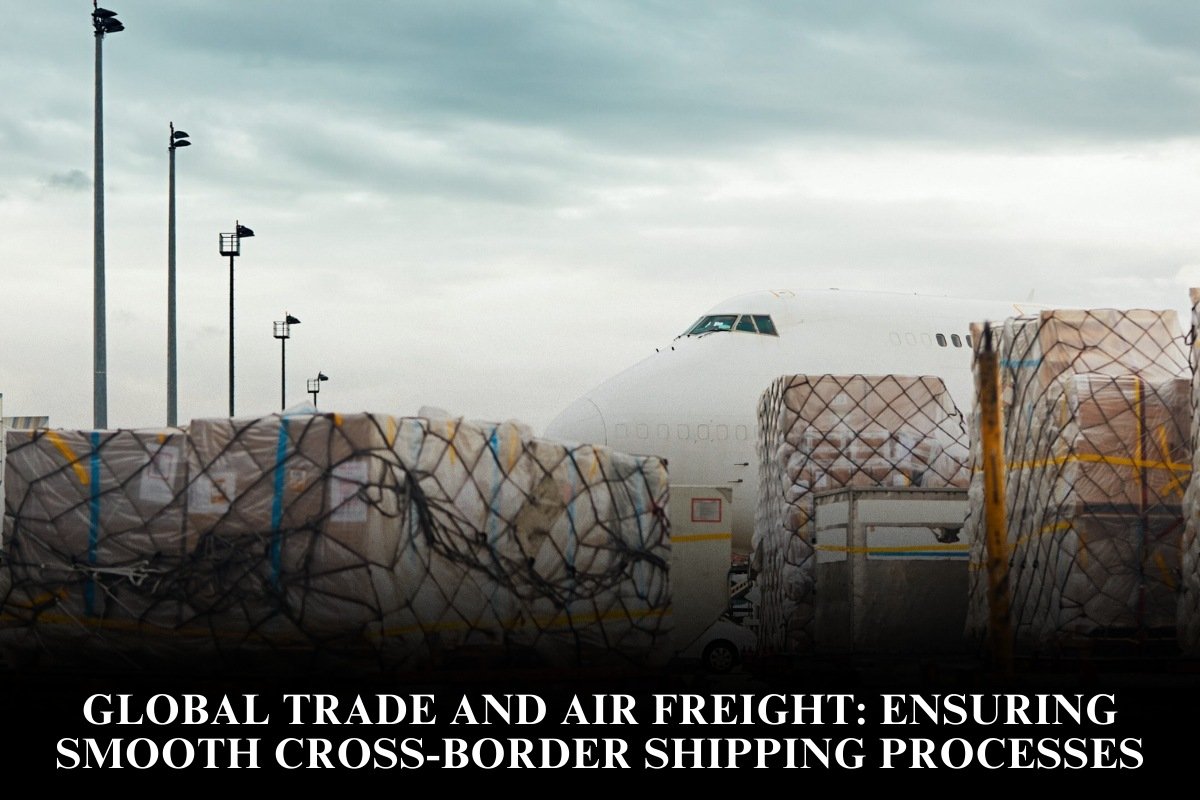
Global trade has become the backbone of modern economies, enabling businesses to access international markets and customers worldwide. Among the various transportation methods, air freight plays a critical role in ensuring fast, reliable, and secure cross-border shipping.
With increasing demand for time-sensitive deliveries, especially in industries such as pharmaceuticals, electronics, and e-commerce, air cargo solutions are essential for maintaining seamless global supply chains.
The Role of Air Freight in Global Trade
Air freight is one of the fastest modes of transportation for international shipments. Although it may be more expensive than sea or land transport, it offers unmatched speed and efficiency.
Key Benefits of Air Freight
- Speed and Efficiency: Ideal for urgent and perishable goods.
- Global Reach: Access to international markets with extensive airline networks.
- Reduced Risk of Damage: Shorter transit times minimize handling risks.
- High Security: Strict airport regulations enhance shipment safety.
- Reliable Scheduling: Frequent flight schedules ensure timely deliveries.
Air freight supports global trade by enabling businesses to meet tight deadlines, maintain inventory levels, and respond quickly to market demands.
Cross-Border Shipping Process in Air Freight
Ensuring smooth cross-border shipping requires a structured and well-coordinated process. Below is an overview of the typical air freight shipping stages:
| Stage | Description | Key Responsibility |
|---|---|---|
| Documentation | Preparation of commercial invoice, packing list, airway bill | Exporter & Freight Forwarder |
| Customs Clearance (Export) | Approval from exporting country authorities | Customs Broker |
| Cargo Handling | Packaging, labeling, and security screening | Airline & Ground Staff |
| Air Transportation | Shipment transported to destination country | Airline |
| Customs Clearance (Import) | Import duties and compliance verification | Customs Broker |
| Final Delivery | Delivery to consignee’s warehouse or facility | Logistics Provider |
Proper coordination among exporters, freight forwarders, customs brokers, and carriers ensures that shipments move smoothly across borders without delays.
Essential Documentation for Smooth Shipping
Documentation errors are one of the leading causes of delays in cross-border trade. Businesses must ensure accuracy and compliance with international trade regulations.
Common Air Freight Documents
- Commercial Invoice
- Packing List
- Air Waybill (AWB)
- Certificate of Origin
- Import/Export Licenses (if required)
- Insurance Certificate
Maintaining clear and accurate documentation reduces customs clearance time and prevents costly penalties.
Compliance and Customs Regulations
Each country has specific customs regulations that govern imports and exports. Non-compliance can result in shipment delays, fines, or confiscation of goods.
Strategies to Ensure Compliance
- Work with experienced customs brokers.
- Stay updated on international trade agreements.
- Verify product classification using Harmonized System (HS) codes.
- Understand duty and tax structures of destination countries.
- Ensure proper labeling and packaging standards.
Advanced electronic customs filing systems have improved efficiency, but businesses must remain proactive in regulatory compliance.
Technology in Air Freight and Global Trade
Digital transformation has significantly improved cross-border shipping efficiency. Modern air freight operations use advanced technologies to streamline processes.
Technological Advancements
- Real-Time Tracking Systems: Monitor cargo status throughout transit.
- Electronic Data Interchange (EDI): Speeds up customs documentation.
- Automated Warehousing: Improves cargo handling accuracy.
- Blockchain Technology: Enhances transparency and reduces fraud.
By leveraging technology, businesses can minimize delays, improve transparency, and enhance customer satisfaction.
Risk Management in International Air Shipping
Cross-border shipping involves risks such as delays, weather disruptions, geopolitical issues, and cargo damage. Effective risk management ensures business continuity.
Risk Mitigation Measures
- Purchase comprehensive cargo insurance.
- Diversify shipping routes and carriers.
- Implement contingency planning strategies.
- Maintain open communication with logistics partners.
- Conduct regular compliance audits.
Proactive planning reduces operational disruptions and protects financial interests.
Cost Considerations in Air Freight
Although air freight is faster, cost management remains crucial. Businesses should evaluate multiple factors before selecting air transport.
| Cost Factor | Impact on Shipping |
|---|---|
| Weight and Volume | Charged based on dimensional weight |
| Fuel Surcharges | Fluctuate with global fuel prices |
| Customs Duties | Vary by country and product |
| Security Fees | Mandatory airport security charges |
| Handling Charges | Based on cargo type and special requirements |
Careful cost analysis helps businesses balance speed and profitability in global trade operations.
Best Practices for Smooth Cross-Border Air Freight
To ensure seamless shipping processes, companies should adopt structured best practices:
- Partner with reliable freight forwarders.
- Plan shipments well in advance.
- Ensure precise documentation accuracy.
- Use digital tracking tools.
- Maintain compliance with international regulations.
- Continuously evaluate logistics performance metrics.
Strong collaboration across supply chain partners ensures efficiency and reliability in global air freight operations.
Global trade and air freight are deeply interconnected in today’s fast-paced business environment. Air freight provides the speed, security, and reliability required for time-sensitive international shipments. However, ensuring smooth cross-border shipping processes requires accurate documentation, regulatory compliance, advanced technology adoption, and strategic risk management.
Businesses that invest in efficient logistics partnerships and proactive planning can reduce delays, control costs, and strengthen their competitive advantage in global markets. As international trade continues to expand, air freight will remain a vital component in enabling seamless global commerce.
FAQs
Q. What types of goods are best suited for air freight?
Air freight is ideal for high-value, perishable, time-sensitive, or lightweight goods such as pharmaceuticals, electronics, fashion items, and urgent spare parts.
Q. How long does international air freight shipping take?
Typically, international air freight takes between 1 to 7 days depending on the origin, destination, customs clearance process, and flight availability.
Q. Why is documentation important in cross-border shipping?
Accurate documentation ensures smooth customs clearance, prevents shipment delays, avoids penalties, and ensures compliance with international trade regulations.
Q. How can businesses reduce air freight costs?
Businesses can reduce costs by optimizing packaging, consolidating shipments, negotiating freight rates, and planning shipments strategically.
Q. Is air freight more secure than other shipping methods?
Yes, air freight generally offers higher security due to strict airport controls, advanced tracking systems, and reduced handling time compared to other transport modes.