The technology industry is one of the most dynamic and fast-growing sectors in the global economy. Companies in this field often face unique challenges when it comes to logistics, particularly with the transportation of high-value, time-sensitive, and delicate products.
Whether it’s the latest smartphones, computer hardware, or cutting-edge prototypes, technology businesses rely on efficient, reliable, and flexible air freight solutions to support their rapid growth and meet customer demands.
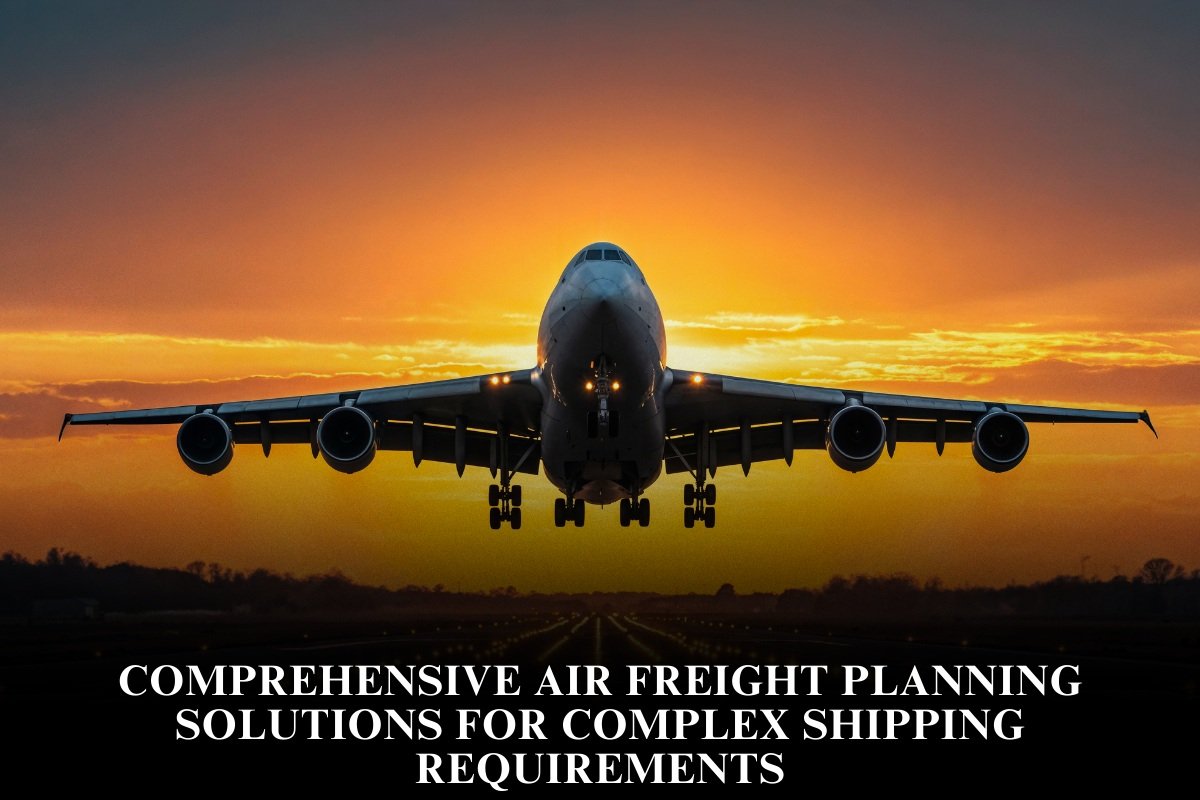
Air freight, with its speed and global reach, has become an indispensable tool for technology businesses looking to scale quickly, reduce lead times, and stay ahead of the competition. In this article, we explore how air freight solutions are adapting to support the growth of fast-paced technology companies.
Key Features of Air Freight Solutions for Technology Businesses
1. Speed and Time Sensitivity
In the technology sector, speed is critical. New products must reach the market quickly to maintain competitiveness, and time-sensitive shipments—such as prototypes, components, or urgent orders—need to arrive on schedule to prevent delays in production or sales.
- Expedited Shipping: Air freight offers fast transit times, often delivering products internationally in 1–3 days, which is crucial for technology companies launching new products or dealing with fast-moving trends.
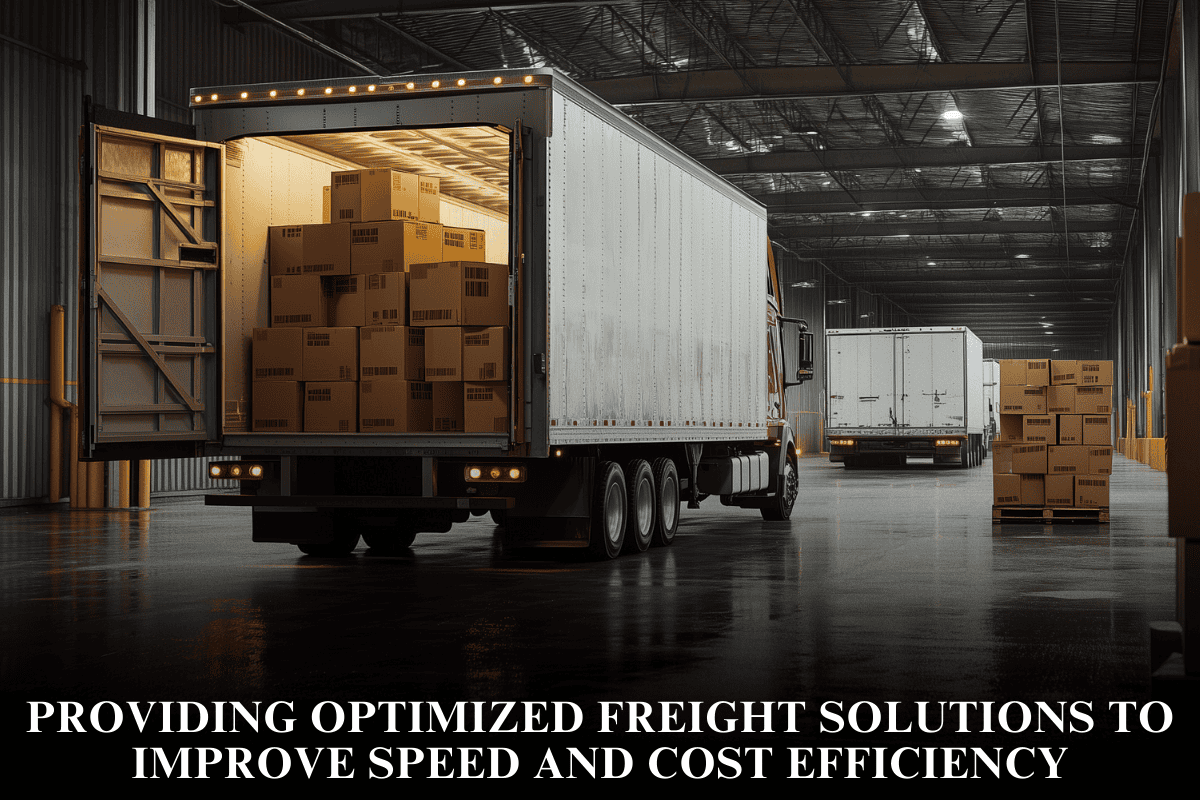
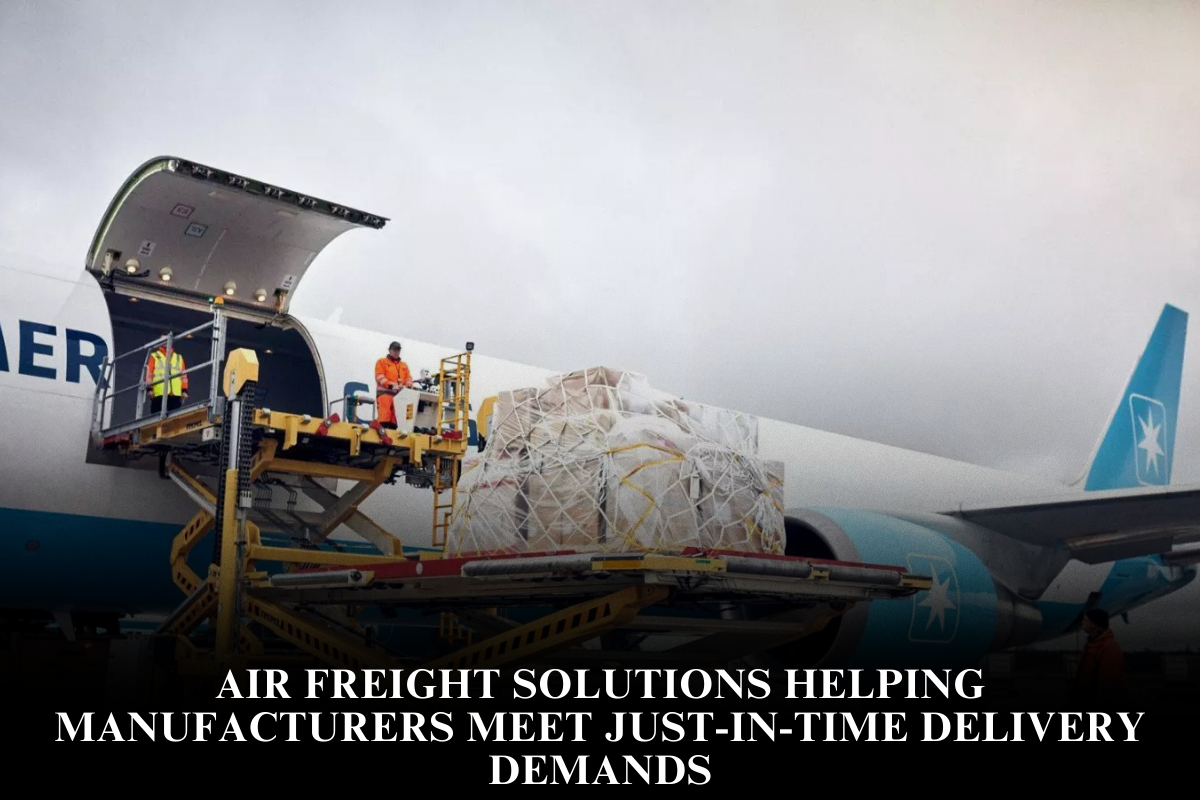
- Just-in-Time Delivery: Air freight supports just-in-time inventory management, ensuring that technology companies receive components and products exactly when they are needed, reducing inventory costs and the risk of stockouts.
- Emergency Shipping: For time-sensitive situations, such as critical product launches or last-minute orders, air freight can provide express or priority services to ensure goods arrive as quickly as possible.
By leveraging air freight, technology companies can significantly reduce lead times, keeping their supply chains agile and responsive to market demands.
2. Global Reach for International Expansion
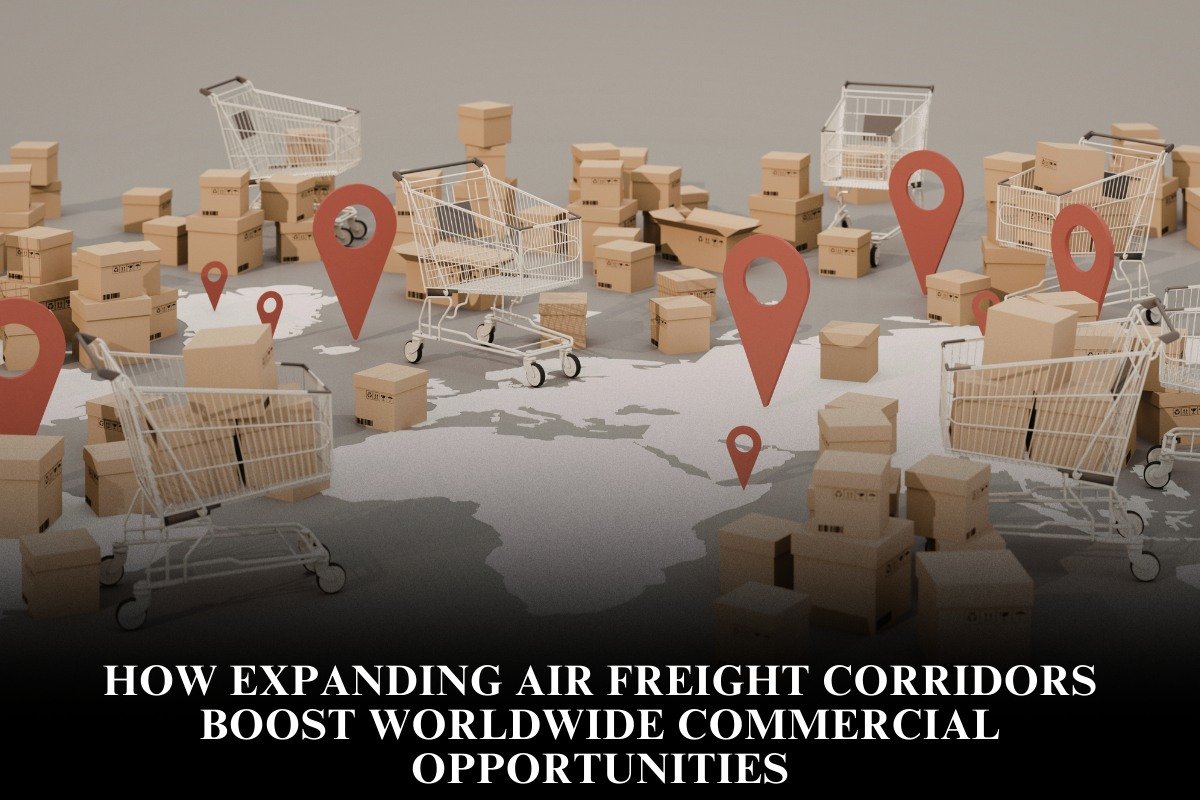
As technology businesses expand globally, they require logistics solutions that can support international operations and connect multiple markets efficiently. Air freight is uniquely positioned to provide global coverage, ensuring that products reach customers worldwide.
- Access to Emerging Markets: Air freight makes it easier for technology companies to enter emerging markets, where demand for high-tech products is rapidly increasing. Fast, reliable air transport enables timely deliveries to regions with less developed infrastructure.
- Simplified Customs and Regulatory Handling: Air freight providers can manage customs clearance, reducing the complexities of international trade and ensuring that technology goods move smoothly across borders. This is particularly important for tech products that may be subject to specific import/export regulations.
- Global Connectivity: Major airports worldwide serve as hubs for air freight, enabling efficient transport of goods to almost any location across the globe, from large urban centers to remote regions.
Technology companies can thus use air freight to streamline their international supply chains, supporting their global growth and ensuring consistent delivery to their expanding customer base.
3. Handling High-Value and Sensitive Goods
The technology industry often deals with high-value, fragile, and sensitive products, such as smartphones, laptops, semiconductors, and prototypes. Air freight is ideal for transporting such items due to its safety, security, and ability to maintain strict handling requirements.
- Secure Transport: Air freight providers offer enhanced security protocols, ensuring that high-value products are protected from theft, damage, or loss during transit. This includes monitoring, tracking, and the use of secure containers.
- Temperature-Controlled Shipping: For sensitive electronics or components that require precise environmental conditions, air freight offers temperature-controlled transport, ensuring that the products remain safe and undamaged throughout the journey.
- Fragile Goods Handling: Specialized packaging and handling procedures ensure that delicate tech products, such as glass screens or intricate components, are transported safely and securely.
Air freight solutions offer technology companies peace of mind, knowing that their valuable and sensitive products are being transported with the highest levels of care and security.
4. Flexibility and Scalability
The technology industry is often subject to rapid changes in demand, product launches, and supply chain disruptions. Air freight solutions offer the flexibility and scalability that technology businesses need to quickly adapt to shifting market conditions.
- Scalable Capacity: Air freight companies provide flexible capacity to handle fluctuations in demand. Whether a tech company needs to ship a small batch of prototypes or large volumes of consumer electronics, air freight can be adjusted to meet specific needs.
- Handling Rush Orders and Peak Seasons: During peak seasons, such as product launches or holiday sales, air freight allows businesses to meet increased demand by quickly adjusting shipment schedules and delivery volumes.
- Multiple Shipping Options: Air freight offers different service levels, such as expedited, standard, or deferred shipping, allowing technology companies to balance speed and cost depending on the urgency of the shipment.
This flexibility helps technology businesses maintain a responsive supply chain, ensuring they can quickly scale their operations and meet changing market conditions.
5. Real-Time Tracking and Visibility
In the tech industry, knowing the status of shipments at any given moment is critical for efficient operations and customer satisfaction. Air freight solutions that offer real-time tracking and visibility are key in providing the transparency needed to monitor shipments throughout the entire logistics process.
- End-to-End Tracking: Technology companies can track shipments from origin to destination in real-time, allowing them to monitor the status of their products and make adjustments as needed. This is particularly important for just-in-time inventory systems and managing the flow of goods between production facilities, warehouses, and customers.
- Proactive Issue Resolution: Air freight providers often send notifications of potential delays or issues, giving companies a chance to address any challenges before they become bigger problems.
- Data-Driven Insights: Real-time tracking and digital platforms provide data analytics that helps technology companies optimize their supply chains and improve future planning, reducing inefficiencies and minimizing delays.
With complete visibility into the supply chain, technology businesses can enhance decision-making and customer communication, leading to better service reliability and overall efficiency.
6. Streamlined Supply Chain Integration
For technology companies operating in multiple markets, air freight needs to be seamlessly integrated into the broader supply chain management strategy. Custom air freight solutions can be designed to synchronize with other transportation modes (e.g., ground or sea freight) and inventory systems.
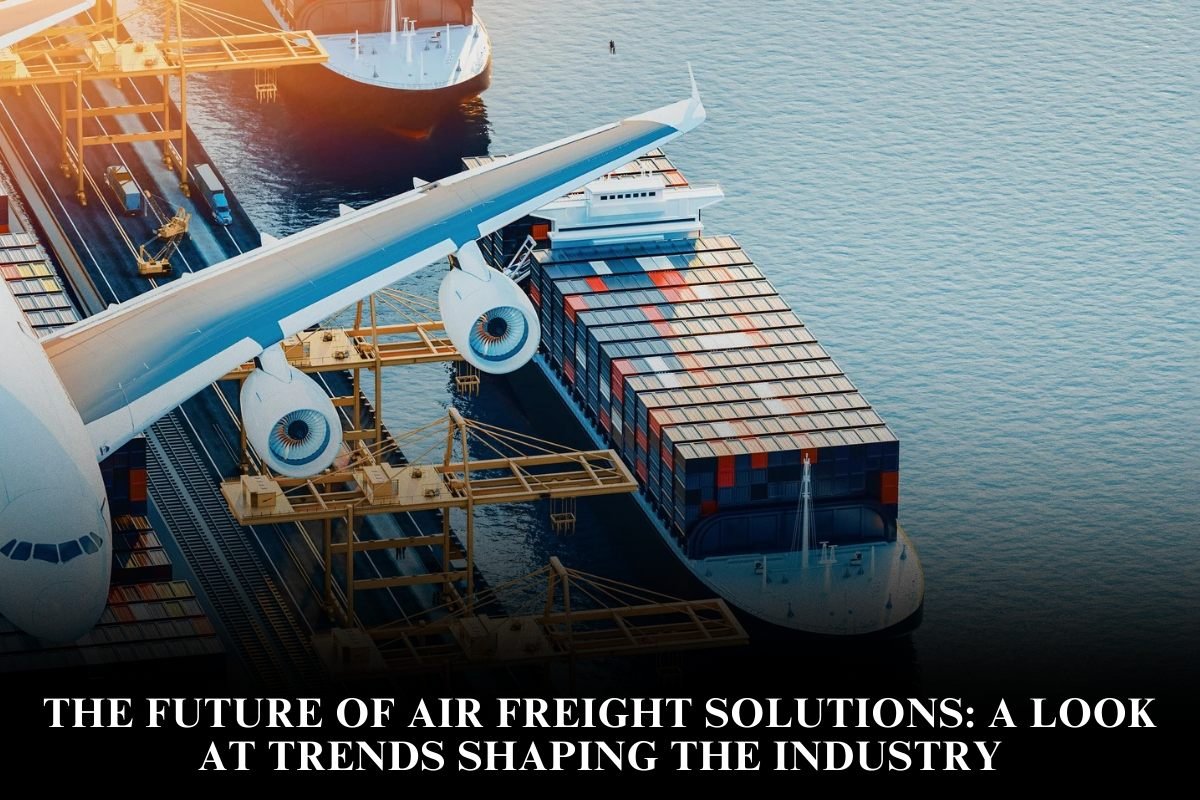
- Multi-Modal Logistics: Air freight can be combined with sea or ground transportation to optimize costs and delivery times. This allows tech companies to efficiently manage large shipments and deliver smaller, time-sensitive orders quickly.
- Integrated IT Systems: Custom air freight solutions integrate with the company’s existing IT and logistics platforms, providing real-time data and improving coordination between suppliers, warehouses, and customers.
Effective integration of air freight into the overall logistics strategy helps technology companies optimize their operations, reduce costs, and improve service delivery.
FAQs
Q. How can air freight solutions help technology companies during product launches?
Air freight provides expedited shipping, ensuring that products arrive on time for launches. It offers flexibility to handle rush orders and meet tight deadlines, which is critical for technology companies introducing new products to the market.
Q. What types of technology goods benefit most from air freight?
High-value items like smartphones, laptops, and computer components, as well as sensitive electronics that require temperature-controlled shipping, are well-suited for air freight due to its speed, security, and handling capabilities.
Q. Is air freight cost-effective for technology businesses?
While air freight is generally more expensive than sea freight, it offers speed and reliability, making it cost-effective for time-sensitive or high-value shipments. Businesses can balance costs by choosing different service levels based on urgency.
Q. How does air freight support global expansion for technology companies?
Air freight allows technology companies to reach international markets quickly and efficiently, providing access to emerging markets and ensuring timely deliveries across borders. This helps companies grow their customer base globally while maintaining operational flexibility.