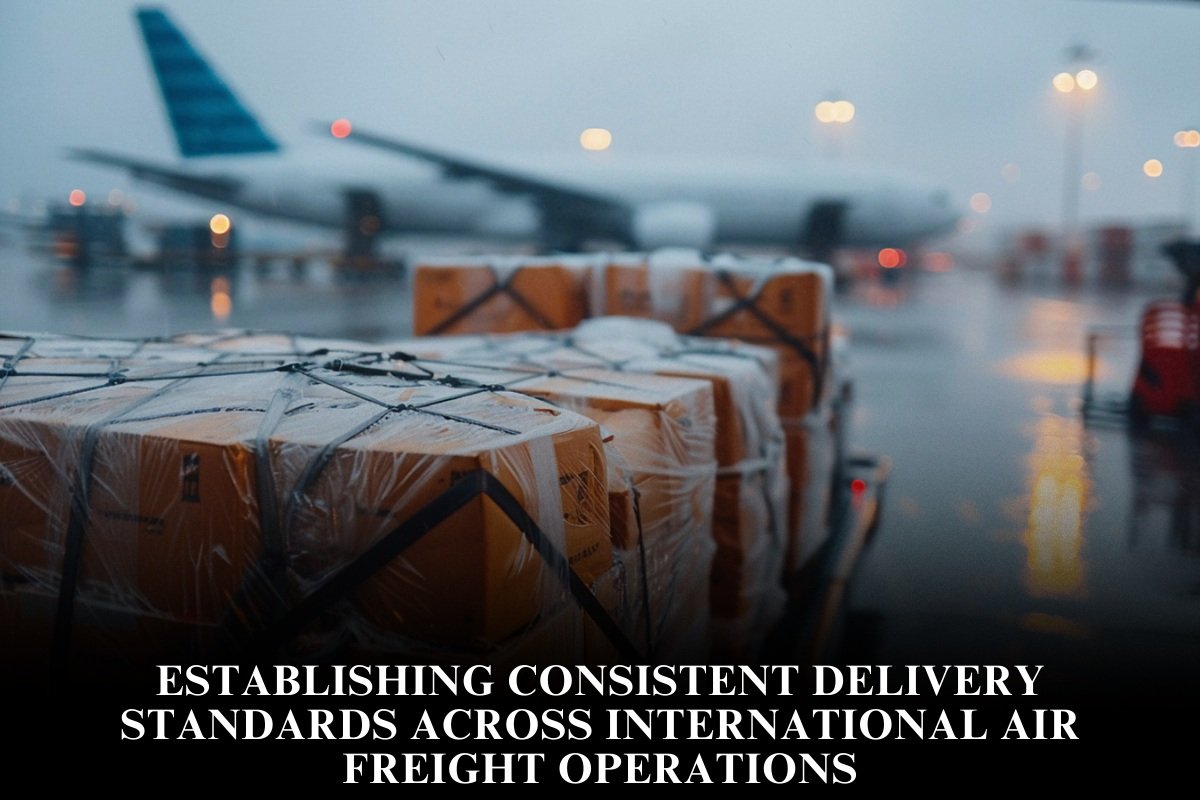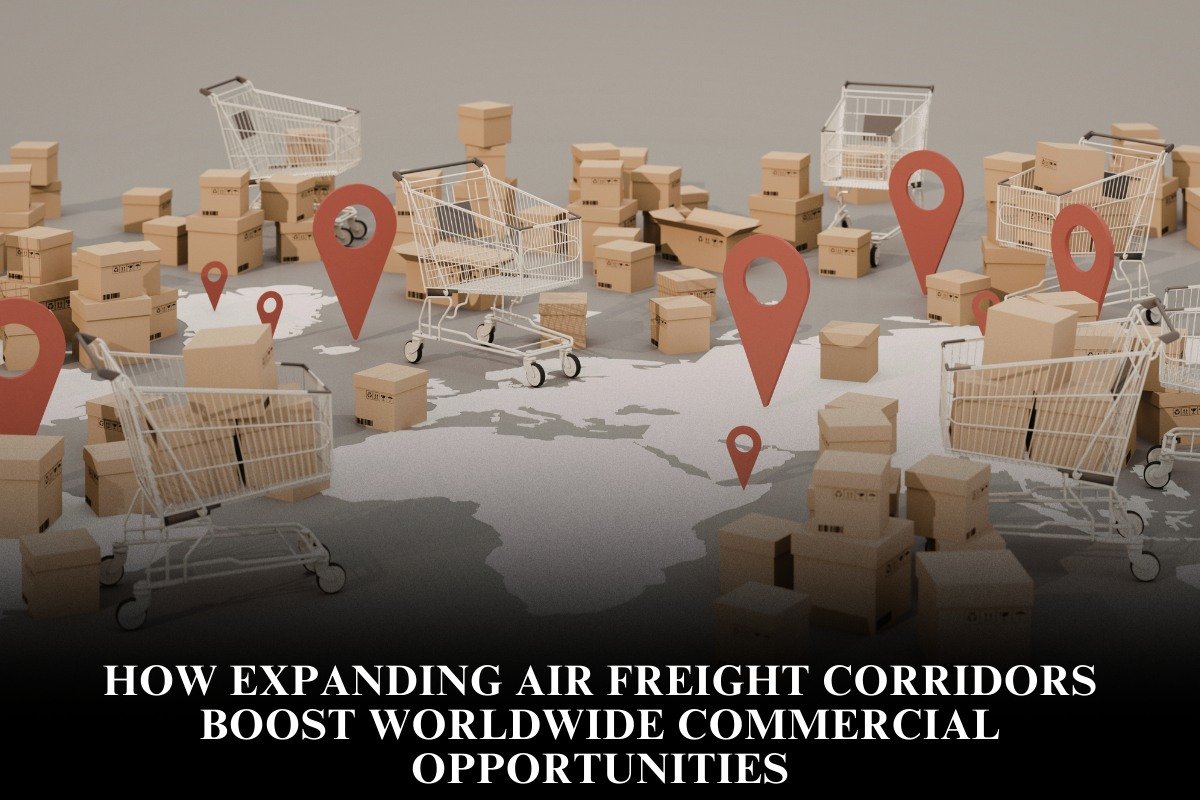
Air freight corridors play a critical role in global trade by enabling the fast and efficient movement of goods across international markets. As global commerce continues to grow, expanding air freight corridors has become an important strategy for improving logistics networks and strengthening economic connectivity.
These corridors consist of designated routes, airports, and logistics infrastructure that support high-volume cargo transportation between key trade regions. By expanding these corridors, countries and businesses can increase trade efficiency, open new markets, and create broader commercial opportunities around the world.
Understanding Air Freight Corridors
Air freight corridors are specialized logistics pathways designed to facilitate the smooth transportation of cargo by air between major trade hubs. These corridors often connect airports, cargo terminals, and distribution centers to streamline the movement of goods.
Key features of air freight corridors include:
- High-capacity cargo airports
- Efficient customs and clearance systems
- Integrated logistics and transportation networks
- Advanced cargo handling facilities
- Strategic connections between global markets
These elements work together to ensure that goods can move quickly and efficiently across borders.
Importance of Air Freight in Global Trade
Air freight accounts for a relatively small percentage of total cargo volume but represents a large share of high-value global trade. Industries such as electronics, pharmaceuticals, automotive parts, and perishable goods rely heavily on air cargo for timely delivery.
Major advantages of air freight include:
- Faster transportation compared to sea or land routes
- Reliable delivery for time-sensitive goods
- Reduced inventory holding costs
- Access to remote or landlocked markets
- Improved supply chain flexibility
These advantages make air freight corridors essential for supporting modern international trade.
How Expanding Air Freight Corridors Enhances Trade
Expanding air freight corridors increases the capacity and efficiency of global cargo networks. As new routes and facilities are developed, businesses gain improved access to international markets.
Improved Market Access
Expanded air freight networks allow companies to reach new markets that may have previously been difficult to access due to logistical limitations.
Faster Supply Chains
Shorter transit times help businesses maintain lean supply chains and respond quickly to changes in demand.
Increased Trade Volumes
Greater connectivity encourages higher volumes of imports and exports between trading partners.
Support for E-commerce Growth
The rapid expansion of e-commerce relies heavily on fast and reliable logistics systems, which air freight corridors help provide.
Economic Impact of Air Freight Corridor Expansion
Expanding air cargo networks can generate significant economic benefits for both developed and developing economies.
| Economic Benefit | Description | Impact |
|---|---|---|
| Trade Growth | Increased import and export activities | Stronger global commerce |
| Job Creation | New opportunities in logistics, aviation, and infrastructure | Economic development |
| Regional Connectivity | Improved transportation links between cities and countries | Balanced economic growth |
| Investment Opportunities | Development of logistics hubs and industrial zones | Attracts foreign investment |
These impacts contribute to stronger international trade relationships and economic growth.
Industries That Benefit from Air Freight Corridors
Several industries rely heavily on efficient air freight corridors to maintain supply chain efficiency and global competitiveness.
Key industries include:
- Pharmaceuticals and medical supplies requiring temperature-controlled transport
- Electronics and technology products with high value and short product life cycles
- Automotive components needed for just-in-time manufacturing systems
- Perishable goods such as fresh produce and seafood
- Fashion and retail products requiring rapid global distribution
By supporting these industries, air freight corridors help maintain global market competitiveness.
Infrastructure Development for Air Freight Expansion
Expanding air freight corridors requires significant investment in infrastructure and technology. Governments and private companies often collaborate to improve logistics capabilities.
Important infrastructure developments include:
- Expansion of cargo terminals at international airports
- Development of modern cold storage facilities
- Implementation of digital cargo tracking systems
- Improved ground transportation connections to airports
- Advanced customs clearance systems
These investments ensure efficient handling and faster delivery of cargo.
Challenges in Expanding Air Freight Corridors
While expanding air freight corridors offers many benefits, several challenges must be addressed to ensure successful implementation.
Common challenges include:
- High infrastructure development costs
- Airspace congestion and regulatory limitations
- Environmental concerns related to aviation emissions
- Complex international trade regulations
- Coordination among multiple transportation authorities
Addressing these challenges requires strategic planning and international cooperation.
Future Trends in Air Freight Expansion
The future of air freight corridors is expected to be shaped by technological advancements and increasing global trade demands.
Emerging trends include:
- Digital logistics platforms for real-time cargo tracking
- Use of automation in cargo handling facilities
- Development of sustainable aviation fuels
- Integration of air freight with multimodal transport networks
- Growth of regional cargo hubs supporting emerging markets
These innovations will likely make air freight networks more efficient and environmentally sustainable.
FAQs
What are air freight corridors?
Air freight corridors are designated logistics routes that connect airports and cargo facilities to enable efficient transportation of goods between regions or countries.
Why are air freight corridors important for global trade?
They allow fast transportation of high-value and time-sensitive goods, helping businesses maintain efficient supply chains and access global markets.
Which industries rely most on air freight transportation?
Industries such as pharmaceuticals, electronics, automotive manufacturing, e-commerce, and perishable goods depend heavily on air cargo networks.
What infrastructure is needed to expand air freight corridors?
Expansion requires improved cargo terminals, advanced logistics technology, better ground transportation links, and efficient customs processing systems.
How can air freight corridors support economic growth?
By increasing trade connectivity, creating jobs in logistics and aviation sectors, and attracting investments in transportation and industrial infrastructure.