The global supply chain has faced significant disruptions in recent years, from the COVID-19 pandemic to natural disasters, labor shortages, and geopolitical tensions. One of the sectors hardest hit by these disruptions is air freight, which plays a crucial role in moving goods quickly and efficiently across international borders.
As global air freight companies strive to manage freight flow amid the ongoing supply chain crisis, they rely on a combination of innovative strategies, technological advancements, and flexibility to ensure goods reach their destinations in a timely manner. Here’s how these companies are navigating the complexities of the current supply chain challenges.
Increased Demand for Air Freight Services
The supply chain crisis has been marked by disruptions across multiple transportation modes—sea, land, and air. However, the global air freight industry has seen an increase in demand as companies seek faster shipping alternatives to mitigate delays in ocean freight and trucking.
Air freight offers a quicker, more reliable method for moving high-value, perishable, or time-sensitive goods. This surge in demand, combined with disruptions to supply chains, has created a perfect storm for air freight providers.
However, the growth in demand hasn’t always been met with an equal increase in capacity. The combination of grounded passenger flights (which often carried cargo in their belly holds) and reduced available cargo space has forced air freight companies to optimize their existing resources.
Capacity Constraints and Network Optimization
One of the most significant challenges global air freight companies face amid the supply chain crisis is limited capacity. With fewer passenger flights and reduced overall air traffic, the availability of cargo space has been significantly reduced, driving up shipping costs and causing bottlenecks.
To overcome these challenges, air freight companies have turned to network optimization strategies. This includes rerouting cargo, maximizing cargo capacity on existing flights, and utilizing available airfreight options like freighter aircraft (dedicated cargo planes) or combining cargo with passenger flights where possible.
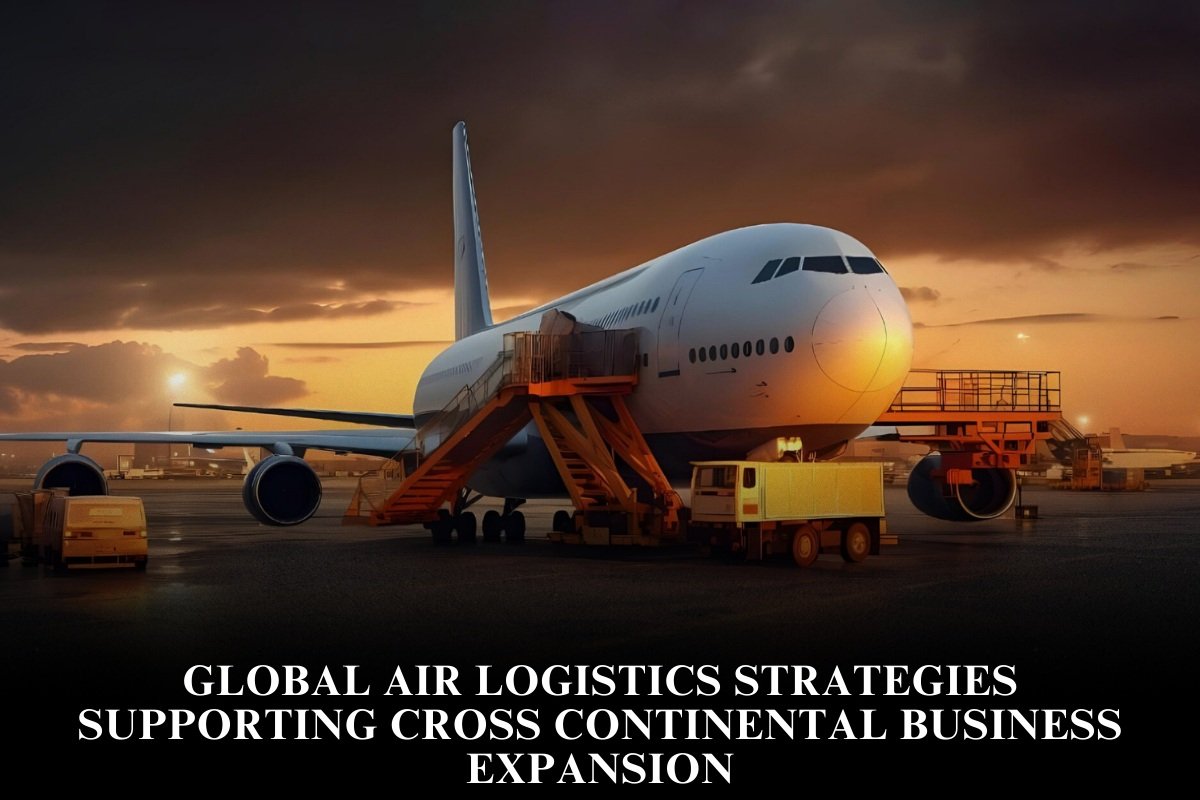
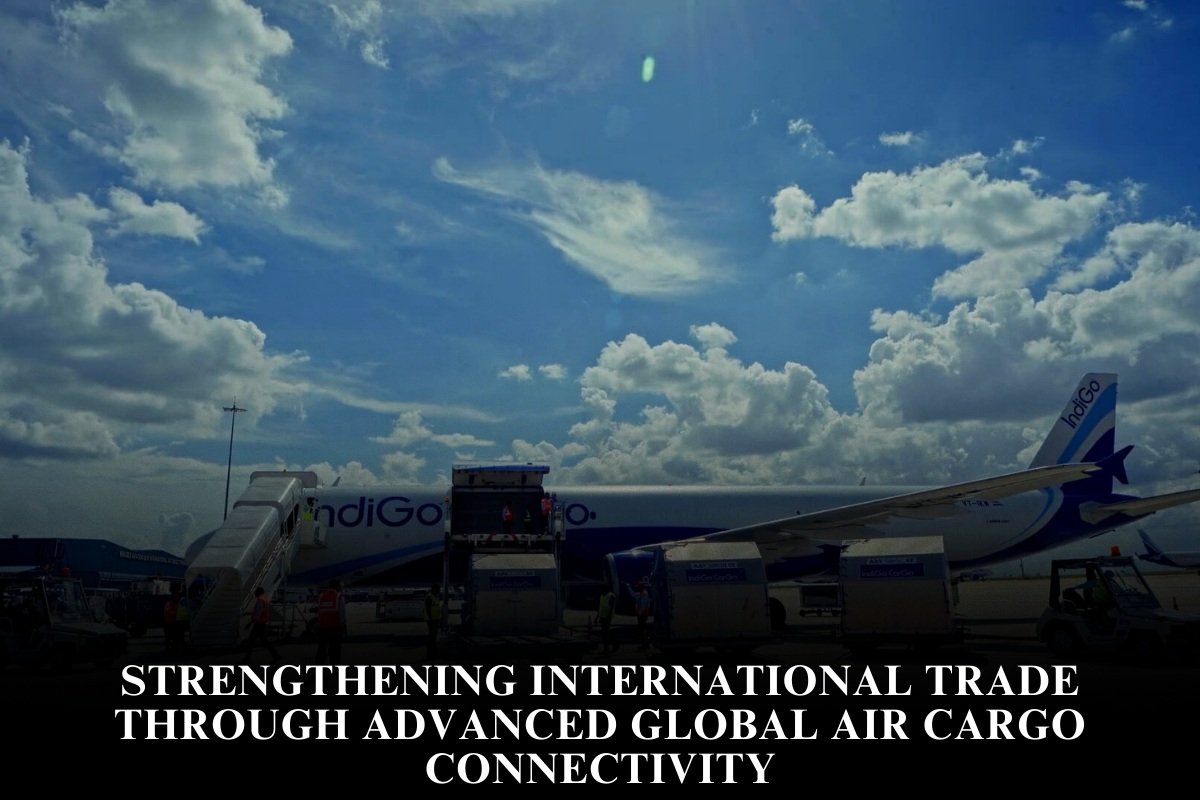
- Freighter Aircraft: Many companies are investing in additional freighter aircraft to meet demand, particularly for high-priority shipments. These dedicated cargo planes offer greater flexibility in terms of routes and cargo capacity, enabling air freight companies to move goods more efficiently.
- Rerouting and Adjusting Schedules: Air freight providers are also becoming more agile, adjusting flight schedules and routes to accommodate changes in demand. For example, routes through busy international hubs may be adjusted to avoid congestion or capitalize on available capacity in underutilized airports.
Strategic Partnerships and Alliances
In times of crisis, collaborations and strategic partnerships between global air freight companies, logistics providers, and shipping companies have become more critical. By sharing resources, companies can expand their network and optimize the flow of goods.
- Partnerships with Cargo Airlines: Many logistics providers have formed alliances with dedicated cargo airlines, allowing them to access additional freighter space. This collaboration ensures that goods are moved efficiently despite capacity constraints.
- Collaboration with Ground Transportation Providers: To ensure seamless connections between air freight and other modes of transport, air freight companies are also working closely with ground transportation partners. This ensures that shipments can be moved quickly from airports to final destinations, avoiding delays at ports or customs.
Use of Technology and Data Analytics
Technology and data analytics play a critical role in managing air freight flow during the supply chain crisis. By leveraging technology, air freight companies are able to better predict demand, optimize routes, and streamline operations. Key technologies include:
- Real-Time Tracking and Monitoring: Air freight companies are increasingly implementing tracking and visibility platforms that allow both shippers and customers to track their shipments in real-time. This helps companies stay informed of any potential delays and adjust their strategies accordingly.
- AI and Machine Learning: Artificial intelligence (AI) and machine learning are used to predict demand, optimize cargo routing, and forecast supply chain disruptions. These technologies help air freight companies make data-driven decisions, improving efficiency and minimizing delays.
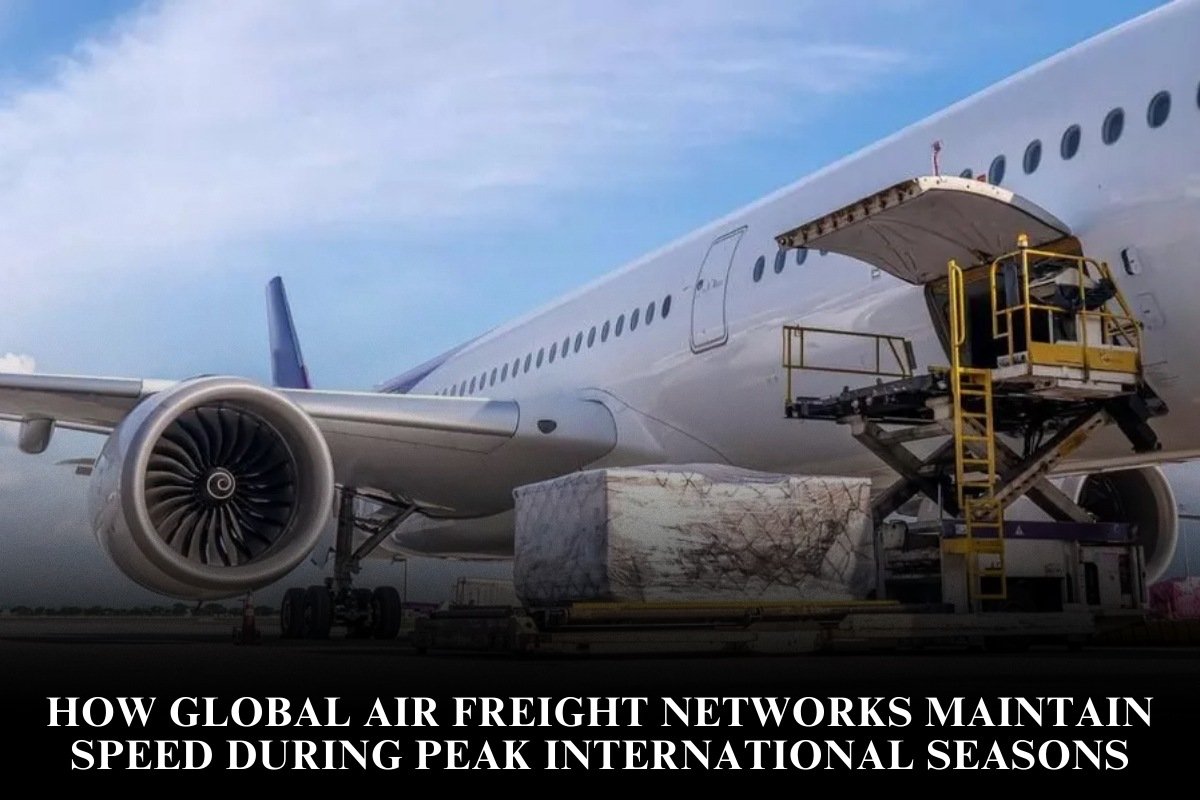
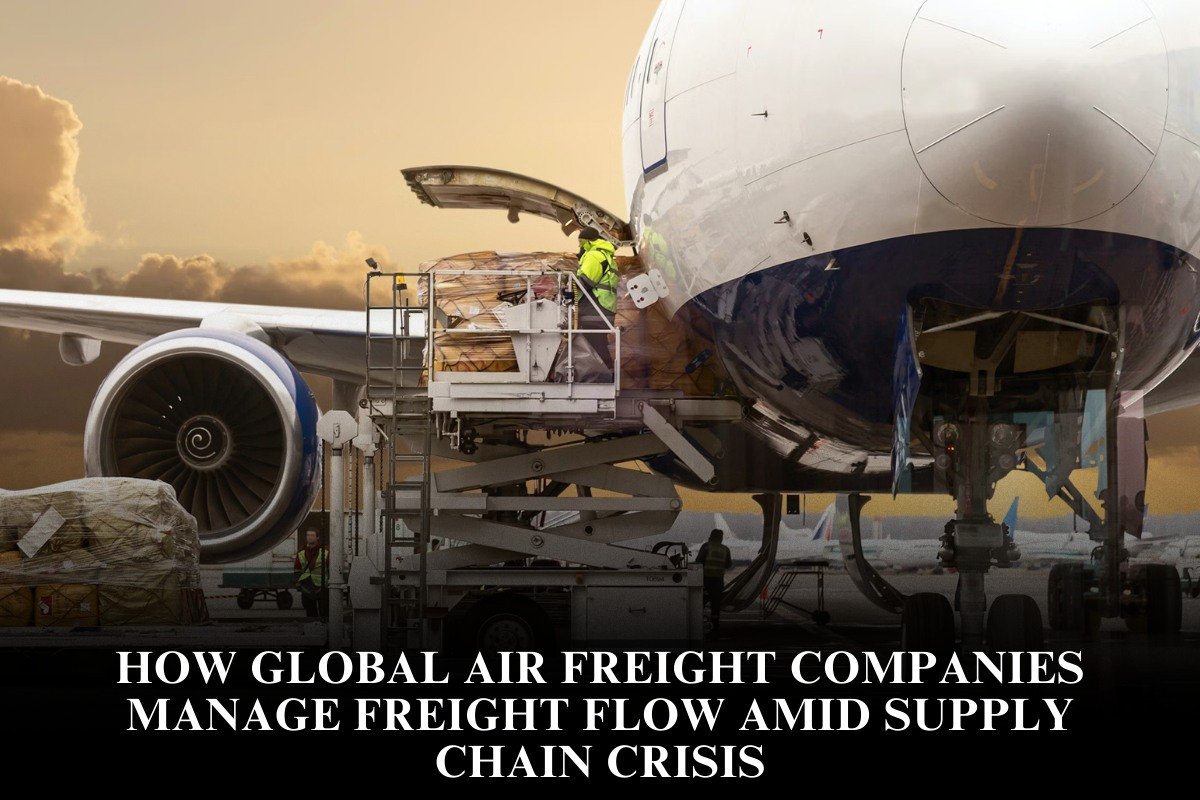
- Automated Cargo Handling: Some air freight providers are investing in automated cargo handling systems at airports to speed up the loading and unloading process. Automation helps reduce human error, enhances efficiency, and increases the speed at which goods move through the system.
Flexible and Scalable Solutions
Given the unpredictability of the supply chain crisis, global air freight companies are adopting flexible and scalable solutions to adapt to changes in demand. This includes:
- Dynamic Pricing: In response to capacity shortages, many air freight companies have implemented dynamic pricing models. By adjusting prices based on supply and demand, they can better manage the flow of goods while ensuring profitability. This also discourages overbooking and ensures that priority shipments are moved as needed.
- Charter Services: In some cases, air freight companies have resorted to chartering flights to meet surges in demand. Chartering freighters or even passenger flights for cargo allows companies to scale up their capacity on short notice, particularly for urgent shipments.
- Adapting to Changing Shipping Patterns: Air freight companies are also adjusting their offerings based on the evolving needs of industries. For example, sectors like e-commerce and pharmaceuticals require high-frequency shipments and quick turnarounds. By tailoring services to these demands, companies can better serve customers while managing their available capacity.
Managing Delays and Communication with Clients
Delays are a reality in the current global supply chain environment, and air freight companies must be transparent with their clients about potential disruptions. Managing expectations is critical to maintaining customer relationships, especially in times of uncertainty.
- Proactive Communication: Many air freight companies now prioritize proactive communication, keeping customers updated on the status of their shipments and any potential delays. This transparency allows businesses to make alternative arrangements if needed and helps preserve trust in the service.
- Contingency Plans: To reduce the impact of delays, air freight companies are working with clients to develop contingency plans. This includes having backup routes, alternative transport options, or prioritizing certain shipments to ensure that critical goods are delivered on time.
Impact of Regulatory Changes and Customs Procedures
Another challenge that air freight companies face during the supply chain crisis is the changing landscape of regulatory requirements. Customs procedures, tariffs, and documentation requirements may vary from country to country, and with many governments adjusting policies due to the pandemic or geopolitical factors, air freight companies must adapt quickly to ensure smooth movement of goods.
- Customs Streamlining: To reduce delays at borders and customs checkpoints, some air freight companies are investing in customs technology and working with governments to streamline documentation processes. Digital platforms for customs clearance have become more popular, speeding up the clearance process and reducing human intervention.
Global air freight companies play a vital role in managing the flow of goods during the supply chain crisis. By embracing innovative strategies such as capacity optimization, technological integration, and strategic partnerships, these companies are adapting to the unprecedented challenges posed by the current environment.
Through real-time monitoring, predictive data analytics, and increased flexibility, air freight providers are ensuring that goods continue to move efficiently, even in the face of significant disruptions. While the supply chain crisis continues to evolve, the ability of air freight companies to adapt and innovate will determine their effectiveness in maintaining global trade and economic stability.
FAQs
How do air freight companies manage increased demand during the supply chain crisis?
Air freight companies manage increased demand by optimizing flight schedules, adding freighter aircraft, collaborating with cargo airlines, and using data analytics to forecast and adjust capacity.
What technologies are used to manage air freight flow?
Technologies such as real-time tracking systems, AI, machine learning, and automated cargo handling systems help air freight companies optimize routes, monitor performance, and improve operational efficiency.
How do air freight companies handle delays?
Air freight companies handle delays by proactively communicating with clients, offering contingency plans, and adjusting routes and schedules as necessary to ensure timely delivery of critical goods.
What role do regulatory changes play in air freight management?
Regulatory changes, such as new customs requirements or tariffs, can impact air freight operations. Companies use digital platforms and work closely with governments to streamline customs procedures and avoid delays.
How do air freight companies manage limited capacity during the supply chain crisis?
Air freight companies manage limited capacity by maximizing the use of available cargo space, adding freighter aircraft, rerouting shipments, and implementing dynamic pricing to prioritize critical shipments.