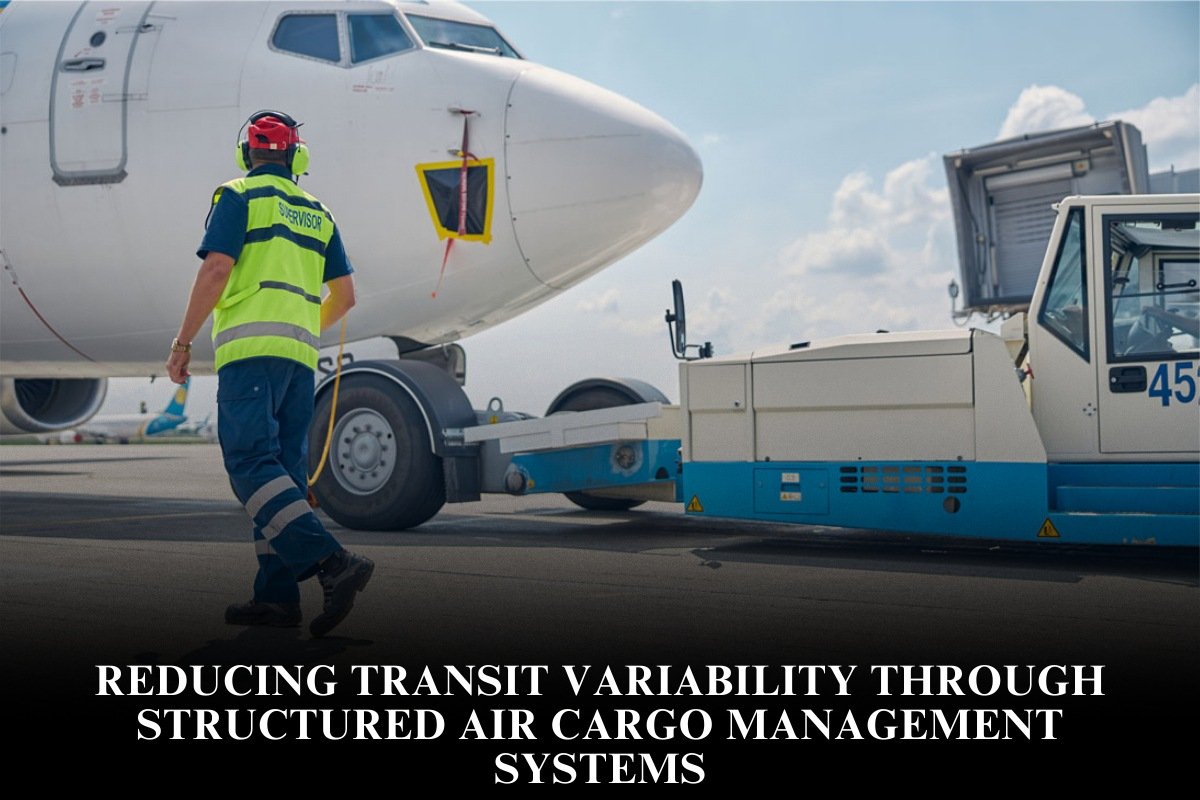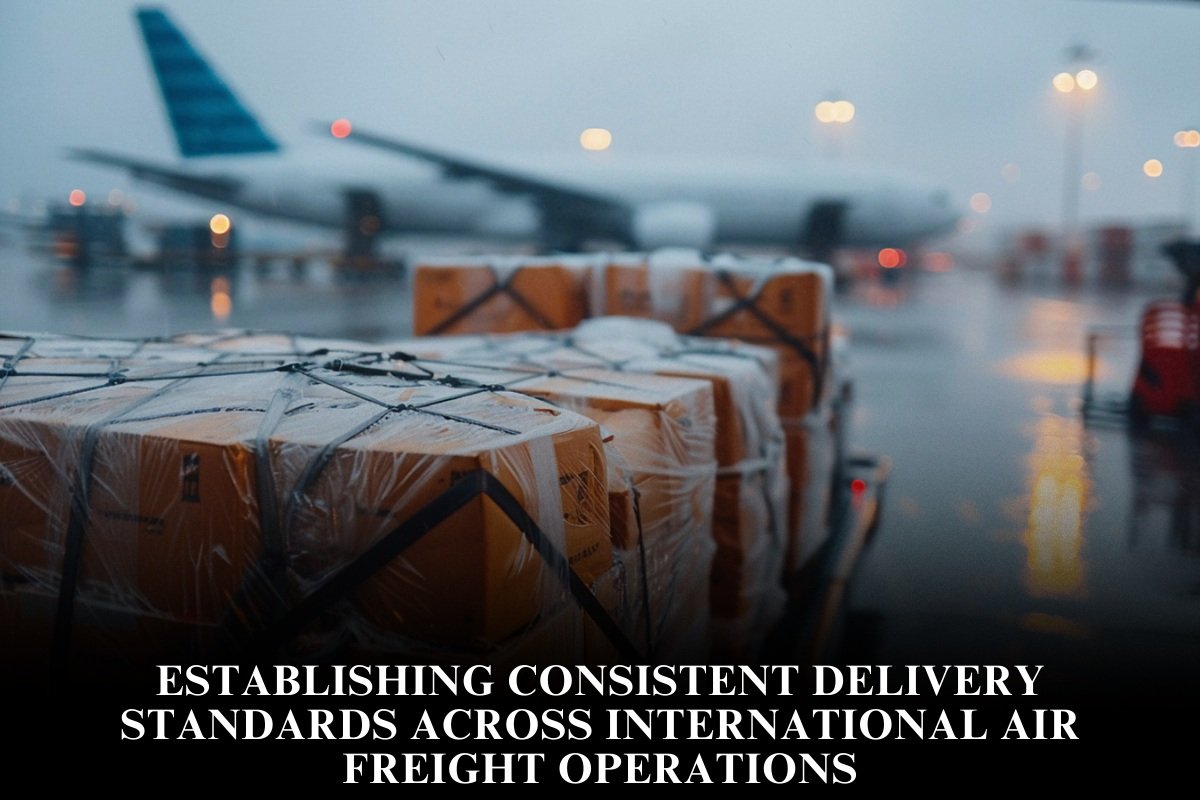
In today’s fast-paced global economy, speed and reliability are critical to supply chain success. Air freight plays a vital role in moving high-value, time-sensitive goods, but it is also vulnerable to delays caused by congestion, documentation errors, limited visibility, and unpredictable disruptions. Smart air freight solutions are transforming the industry by using digital technologies, data integration, and automation to reduce delays and significantly improve planning accuracy.
Understanding Smart Air Freight Solutions
Smart air freight solutions refer to the use of advanced technologies such as real-time tracking, data analytics, automation, and digital documentation to manage air cargo more efficiently. These systems replace manual, paper-based processes with connected platforms that allow shippers, airlines, freight forwarders, and ground handlers to share information seamlessly. The result is faster decision-making, improved coordination, and fewer operational bottlenecks.
Real-Time Visibility and Tracking
One of the biggest contributors to air freight delays is a lack of visibility. Traditional systems often provide limited updates, making it difficult to respond quickly when issues arise. Smart air freight solutions use real-time tracking technologies to monitor cargo location, condition, and status throughout the journey. This transparency allows stakeholders to identify potential delays early and take corrective action before problems escalate.
With accurate, real-time data, planners can reroute shipments, adjust handling priorities, or notify customers proactively. This level of visibility not only reduces delays but also builds trust and reliability across the supply chain.
Improved Planning Through Data Analytics
Planning in air freight has traditionally relied on historical data and manual forecasts, which can be inaccurate in rapidly changing conditions. Smart solutions use advanced data analytics to process large volumes of information, including flight schedules, weather patterns, airport congestion, and cargo demand trends. These insights support more accurate forecasting and capacity planning.
By anticipating demand spikes or potential disruptions, companies can allocate resources more effectively, schedule shipments strategically, and avoid last-minute changes that often lead to delays and higher costs.
Automation of Documentation and Processes
Documentation errors are a common cause of air freight delays. Missing, incorrect, or delayed paperwork can result in cargo being held at airports or customs checkpoints. Smart air freight solutions digitize documentation, automating the creation, validation, and sharing of required forms.
Automation reduces human error, speeds up approvals, and ensures compliance with regulations. When documents are available digitally and shared instantly with all relevant parties, clearance times are shortened and cargo moves more smoothly through each stage of the journey.
Enhanced Coordination Across Stakeholders
Air freight involves multiple stakeholders, including airlines, freight forwarders, ground handlers, customs authorities, and shippers. Poor communication between these parties often leads to misalignment and delays. Smart platforms act as centralized hubs where all stakeholders can access the same information in real time.
This shared visibility improves coordination, reduces misunderstandings, and enables faster responses to changes. When everyone works from a single source of truth, planning becomes more reliable and execution more efficient.
Proactive Disruption Management
Disruptions such as weather events, mechanical issues, or airport congestion are inevitable in air freight. Smart air freight solutions support proactive disruption management by using predictive tools and alerts. These systems analyze risk factors and notify planners of potential issues before they impact operations.
Early warnings allow companies to implement contingency plans, such as rebooking flights or adjusting delivery schedules, minimizing the impact of disruptions and maintaining service levels.
Cost Efficiency and Performance Optimization
Reducing delays also leads to significant cost savings. Smart air freight solutions help optimize load planning, reduce idle time, and minimize penalties associated with late deliveries. Improved planning accuracy lowers operational costs while enhancing overall performance and customer satisfaction.
Building a Resilient Air Freight Operation
Smart air freight solutions are reshaping how air cargo is planned and executed. By improving visibility, automating processes, and enabling data-driven decisions, these technologies reduce delays and strengthen planning capabilities. As global supply chains become more complex, adopting smart air freight solutions is essential for building resilient, efficient, and reliable air cargo operations.
FAQs
What are smart air freight solutions?
Smart air freight solutions use digital technologies such as real-time tracking, automation, and data analytics to improve air cargo efficiency and reliability.
How do smart solutions reduce air freight delays?
They provide real-time visibility, automate documentation, improve coordination, and enable early detection of potential disruptions.
Can smart air freight improve shipment planning?
Yes, data analytics and predictive tools allow for more accurate forecasting, capacity planning, and resource allocation.
Do smart air freight solutions reduce costs?
By minimizing delays, errors, and inefficiencies, smart solutions help lower operational costs and improve overall performance.
Are smart air freight solutions suitable for all businesses?
Yes, businesses of all sizes can benefit, especially those shipping time-sensitive or high-value goods that require reliability and transparency.