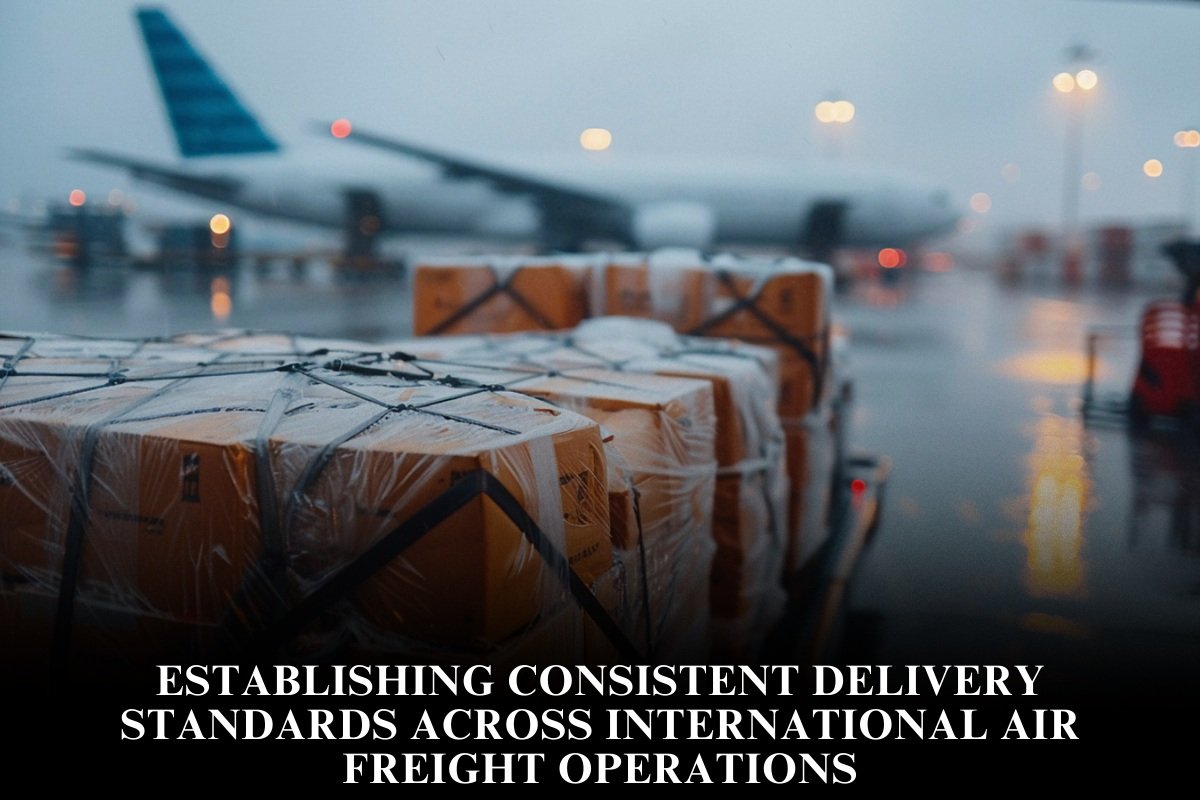
Air freight is a powerful logistics option for businesses that prioritize speed, reliability, and global reach. However, choosing the best air freight solution requires more than simply selecting the fastest service. Factors such as cargo type, cost efficiency, delivery timelines, and provider reliability all play a role. Making the right choice ensures your supply chain remains agile, cost-effective, and resilient.
Understand Your Shipping Requirements
The first step in choosing the right air freight solution is clearly defining your business needs. Consider what you are shipping, how often, and where it needs to go. High-value, time-sensitive, or perishable goods often justify air freight, while less urgent cargo may not.
Key questions to ask include:
- How urgent is the delivery?
- What is the size, weight, and nature of the cargo?
- Are there special handling requirements such as temperature control or hazardous material compliance?
Understanding these basics helps narrow down suitable service options.
Choose the Right Type of Air Freight Service
Air freight services generally fall into several categories, each suited to different business priorities.
- Express air freight is ideal for urgent shipments that must arrive as quickly as possible.
- Standard air freight balances speed and cost for routine international shipments.
- Charter services are best for oversized, high-volume, or highly specialized cargo.
Selecting the correct service type ensures you are not overpaying for speed or sacrificing reliability when urgency is critical.
Evaluate Cost Versus Speed Trade-Offs
While air freight is faster than other shipping methods, it is also more expensive. The goal is to find the best balance between delivery speed and transportation cost.
Consider whether slightly longer transit times could significantly reduce expenses. Some providers offer deferred air freight options that still outperform sea freight but cost less than express services. A clear understanding of your delivery deadlines allows for smarter cost control.
Assess Reliability and Network Coverage
Speed means little without reliability. Consistent on-time delivery is essential for maintaining customer satisfaction and operational efficiency. Look for air freight providers with strong carrier relationships, established routes, and contingency planning for delays.
Global network coverage is especially important for businesses shipping internationally. A provider with access to major hubs and regional airports can offer more flexible routing and faster recovery from disruptions.
Consider Customs Expertise and Documentation Support
Customs clearance is a critical component of international air freight. Delays often occur not in transit, but at borders due to incorrect or incomplete documentation.
Choose an air freight partner with strong customs expertise who can:
- Prepare and verify shipping documents
- Advise on duties, taxes, and compliance requirements
- Handle customs brokerage efficiently
This support reduces the risk of delays, penalties, and unexpected costs.
Look for Technology and Shipment Visibility
Modern air freight solutions rely heavily on digital tools. Real-time tracking, automated notifications, and data analytics provide transparency and control over shipments.
Shipment visibility allows businesses to:
- Monitor delivery progress
- Anticipate delays
- Communicate accurately with customers
Providers that invest in technology help businesses make faster, better-informed logistics decisions.
Evaluate Customer Support and Scalability
Strong customer support is essential, especially when dealing with urgent or high-value shipments. Responsive communication, dedicated account managers, and proactive problem-solving can make a significant difference during disruptions.
Additionally, consider whether the provider can scale with your business. As shipping volumes grow or markets expand, your air freight partner should be able to adapt without compromising service quality.
Choosing the best air freight solution requires aligning logistics strategy with business priorities. By understanding shipment needs, balancing cost and speed, evaluating reliability, and prioritizing expertise and visibility, businesses can select air freight services that support growth and operational efficiency. The right choice not only ensures timely deliveries but also strengthens the overall supply chain.
FAQs
When is air freight the best shipping option?
Air freight is best for urgent, high-value, perishable, or time-sensitive goods where speed and reliability outweigh higher costs.
How is air freight pricing calculated?
Pricing is usually based on chargeable weight, which considers both actual weight and volumetric weight, along with distance and service type.
Is air freight suitable for small businesses?
Yes. Many air freight providers offer flexible services tailored to small and medium-sized businesses, especially for international shipping.
What risks are associated with air freight?
Common risks include higher costs, capacity limitations, and potential delays due to weather or customs issues, though these are generally less frequent than with other modes.
How can businesses reduce air freight costs?
Costs can be reduced by optimizing packaging, consolidating shipments, choosing non-express services when possible, and working with experienced freight partners.