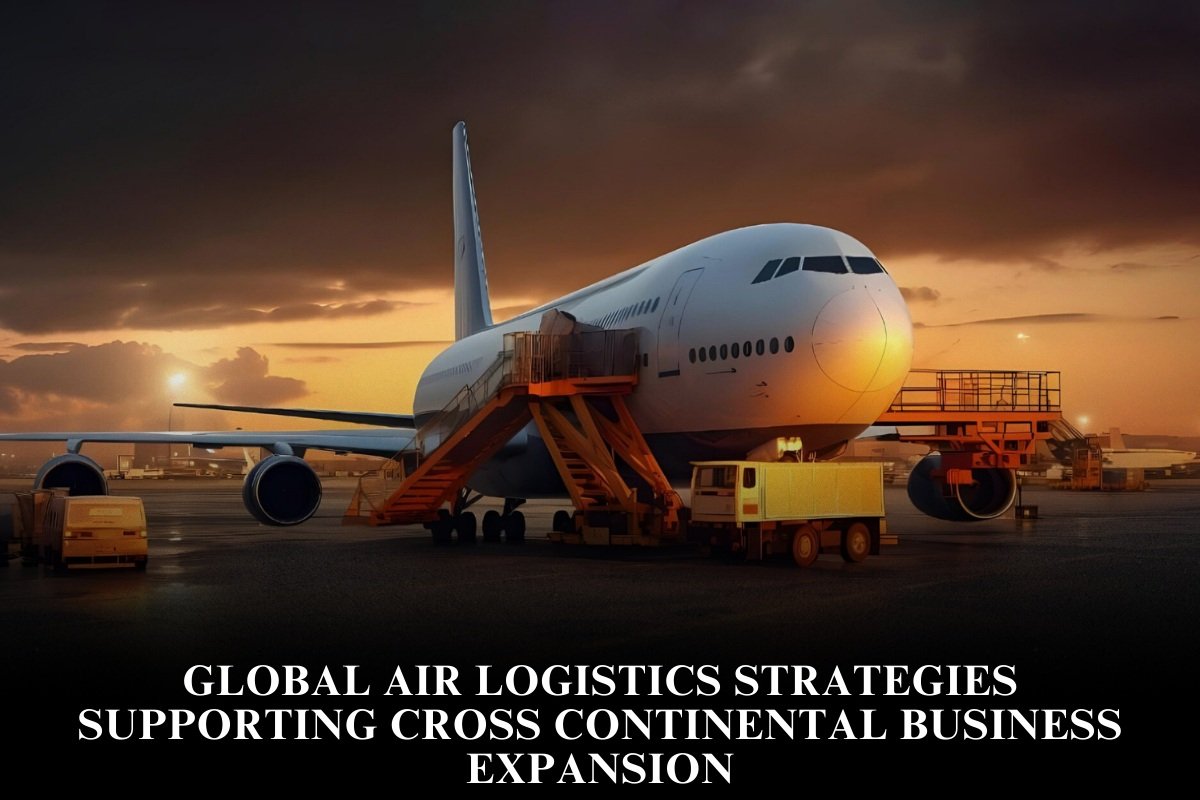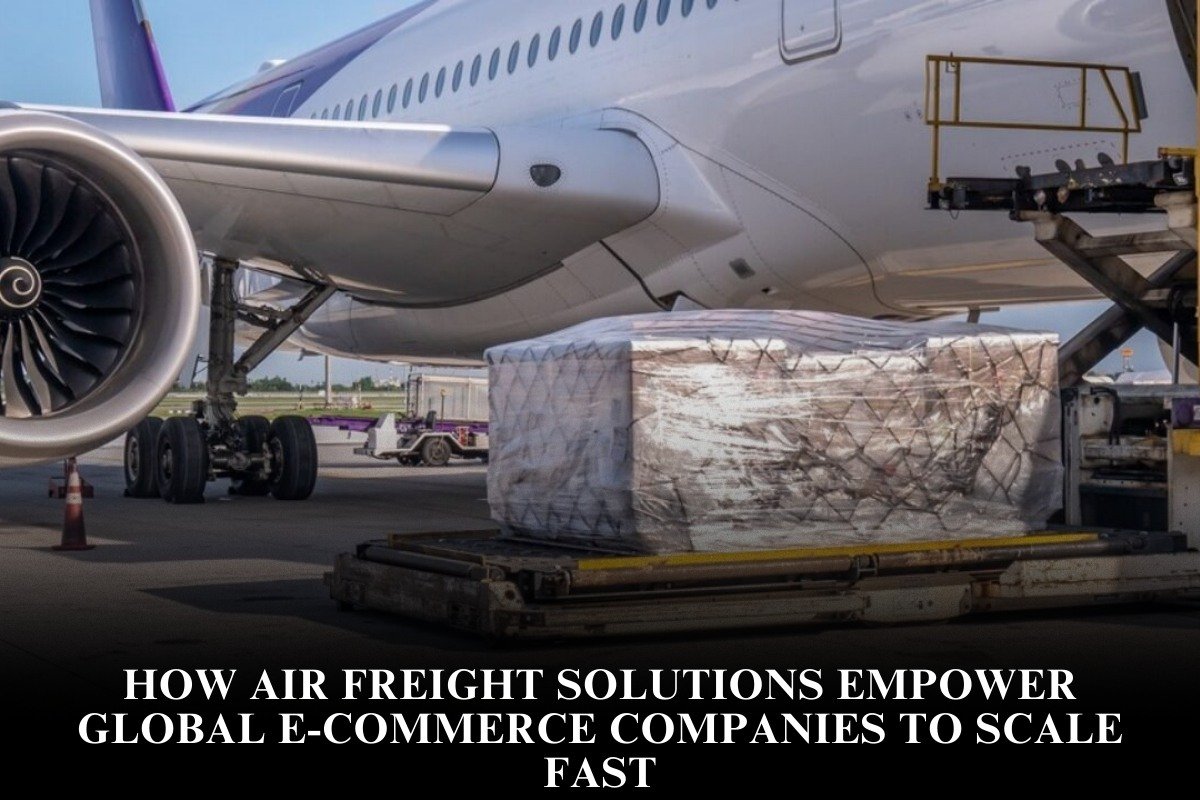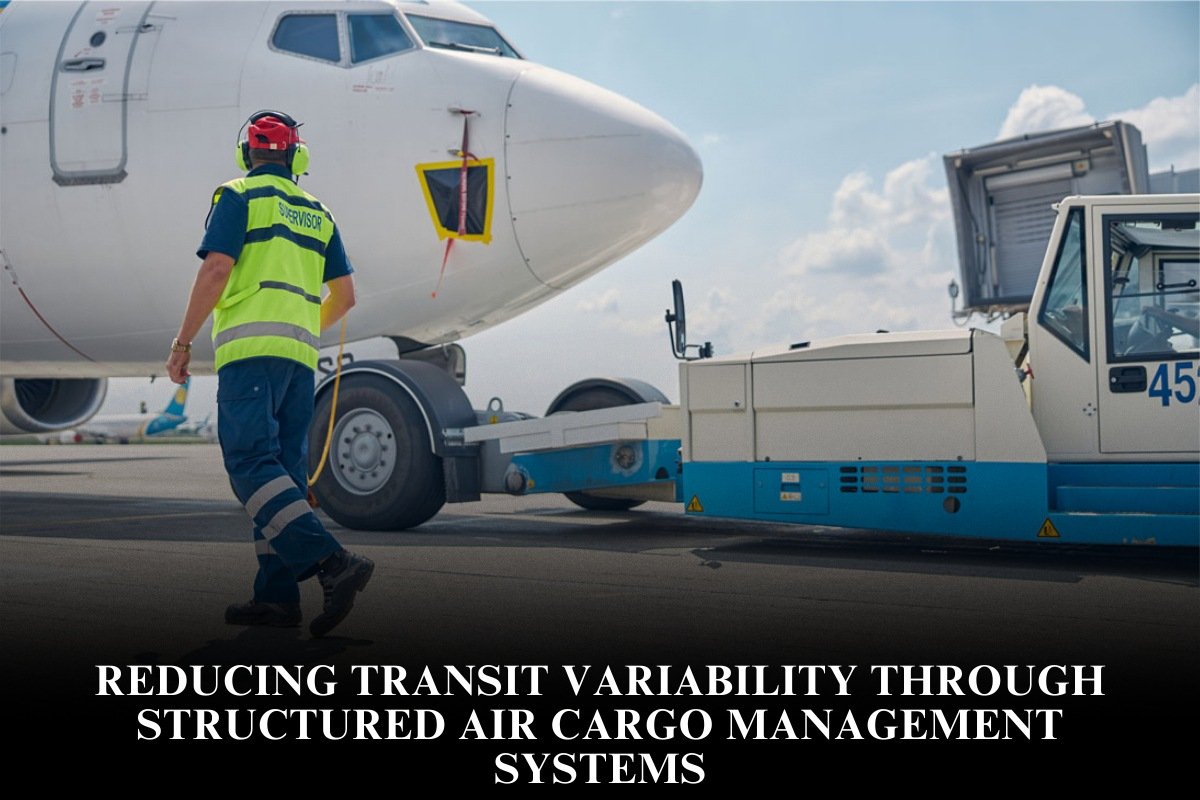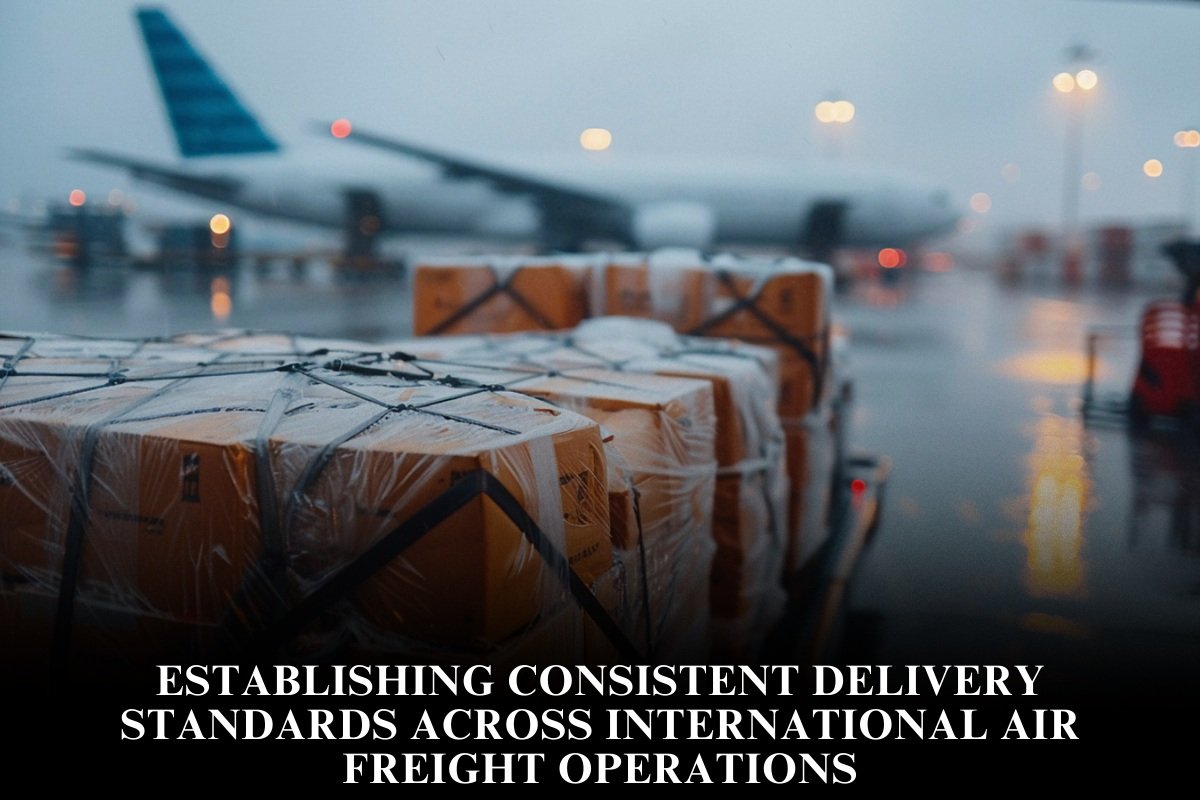
Worldwide air freight access empowers U.S. businesses to scale globally, with the domestic market valued at $49.85 billion in 2025 and projected to reach $61.63 billion by 2030 at 4.33% CAGR, driven by e-commerce and cross-border demands.
Handling 35% of high-value trade despite 1% volume, it enables just-in-time delivery from hubs like MIA, DFW, and ORD, cutting lead times 90% versus ocean and supporting $28T economy amid disruptions. Fact.MR forecasts U.S. air cargo growing from $19.1B to $48.7B by 2035, fueled by digital platforms and Asia-U.S. lanes.
Speed for Time-Sensitive Supply Chains
Air freight delivers 1-3 day global transit, ideal for perishables, electronics, and pharma—e-commerce drives half transpacific tonnage with 90% consumers expecting 2-day delivery. U.S. firms bypass port delays (5.2-day dwells) via priority flights, maintaining inventory flow during Red Sea crises or strikes, per Mordor Intelligence.
This agility supports JIT models, reducing stockouts 70%.
Global Market Expansion and E-Commerce Boom
Access to 200+ countries via FedEx/UPS/DHL networks lets SMEs enter Asia/Europe without massive infrastructure—USMCA facilitates seamless North America flows. E-commerce’s $1.06T potential (7.4% CAGR) relies on air for rapid fulfillment from CVG to Japan, as Nippon Express launched in 2024.
Hub investments like MIA’s VICC boost throughput 15-100%.
Supply Chain Resilience Amid Disruptions
Diversification counters tariffs/geopolitics: nearshoring Mexico via Southwest hubs (4.2% CAGR) and AI rerouting ensure 95%+ OTIF. Value-added services (customs, insurance) grow 5.2%, outpacing core lift amid volatility.
Real-time tracking via IoT prevents misrouting 20-30%.
Cost Optimization for High-Value Goods
Though premium, consolidation and dynamic pricing save 15% for LCL; economies of scale on passenger belly cargo make it viable for electronics/pharma (6.8% CAGR). Domestic (62% share) anchors with efficient coast-to-coast, per Fact.MR.
ROI via reduced inventory (20-30% cuts) outweighs premiums.
Advanced Tech and Infrastructure Support
Digital platforms, AI forecasting, and cargo-city expansions (DFW/RFD) enhance visibility; RFID/AI ensure 99% handling accuracy. U.S. gateways like LAX/SF dominate transpacific, with Southwest rising fastest.
EPA/FAA regs ensure safe, efficient ops.
U.S. Business Case Studies
Amazon leverages air for Prime; pharma uses GDP-qualified flights for biologics, per DHL/UPS acquisitions.
FAQs
Q. How does air freight speed support JIT?
1-3 day global transit bypasses ocean delays; e-commerce drives half transpacific via hubs like MIA/ORD.
Q. Why essential for U.S. e-commerce growth?
Meets 90% 2-day expectations ($1.06T potential); Nippon Express CVG-Japan route exemplifies.
Q. How builds resilience in disruptions?
Nearshoring Mexico (4.2% CAGR Southwest), AI rerouting yield 95% OTIF amid tariffs/strikes.
Q. Cost benefits for high-value shipments?
Consolidation/dynamic pricing save 15%; inventory cuts 20-30% offset premiums for pharma/electronics.
Q. What tech enhances worldwide access?
IoT tracking/AI forecasting, cargo-city expansions boost throughput 15-100%; 99% accuracy via RFID.