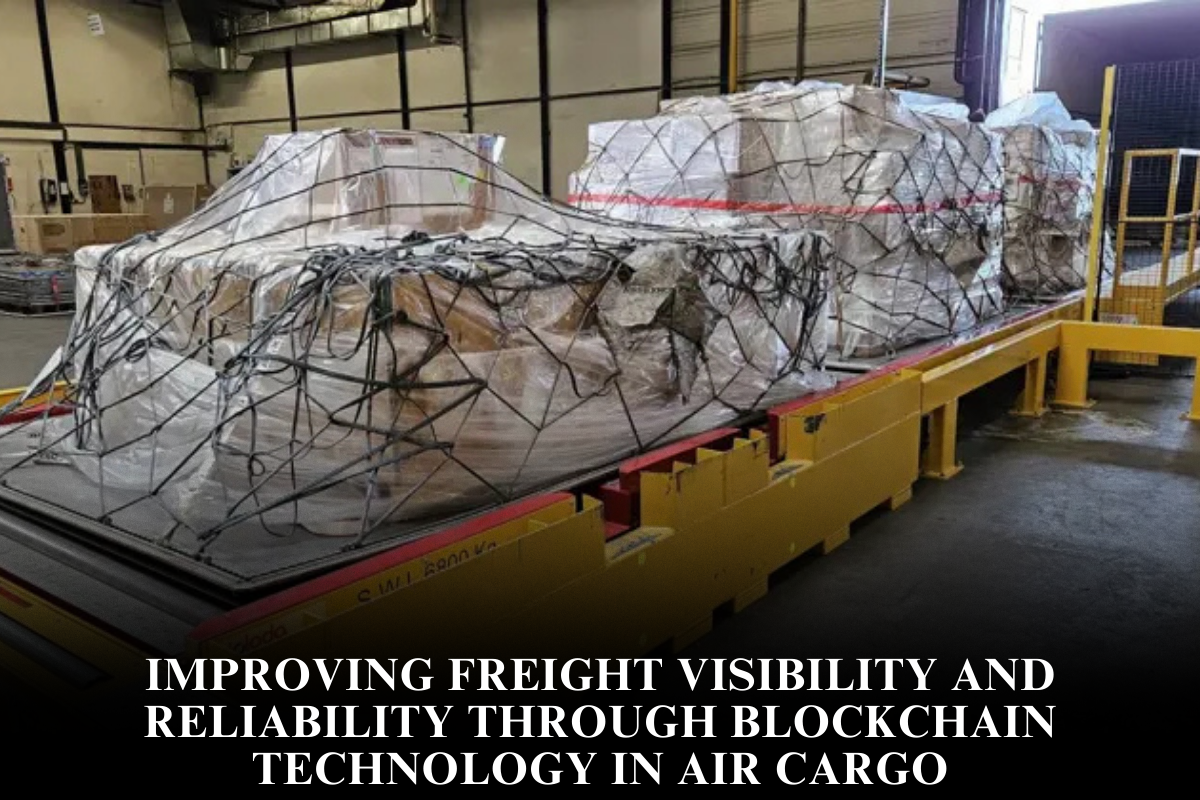
Air cargo plays a vital role in global trade, especially for high-value, time-sensitive, and critical goods. Yet the industry has long struggled with limited transparency, fragmented documentation, and trust gaps among stakeholders.
Blockchain technology is emerging as a powerful solution to these challenges, offering improved freight visibility and reliability across the air cargo supply chain. By creating a secure, shared, and tamper-proof data environment, blockchain is reshaping how air cargo operations are managed.
The Visibility Challenge in Air Cargo Operations
Air cargo shipments typically involve multiple parties, including airlines, freight forwarders, ground handlers, customs authorities, and shippers. Each stakeholder often uses separate systems, leading to data silos and delayed information sharing.
As a result, shipment tracking can be incomplete or outdated, increasing the risk of delays, disputes, and lost cargo. Blockchain addresses this issue by creating a single, shared ledger where all authorized parties can access real-time shipment data.
How Blockchain Enhances Freight Visibility
Blockchain technology records every transaction and status update in a chronological, immutable ledger. Once data is entered—such as shipment booking, loading confirmation, customs clearance, or delivery—it cannot be altered without consensus.
This creates a transparent end-to-end view of the cargo journey. Stakeholders can track shipments in real time, verify documentation instantly, and identify bottlenecks before they escalate into disruptions.
Improving Reliability and Trust Across Stakeholders
Trust is a critical issue in air cargo, particularly when documentation errors or data inconsistencies arise. Blockchain enhances reliability by ensuring that all parties work from the same verified data source.
Smart contracts—self-executing agreements stored on the blockchain—can automatically trigger actions such as payments or release of cargo once predefined conditions are met. This reduces manual intervention, minimizes disputes, and improves operational consistency.
Streamlining Documentation and Compliance
Air cargo relies heavily on documentation, including air waybills, invoices, and customs declarations. Paper-based processes are slow, error-prone, and vulnerable to fraud. Blockchain enables secure digital documentation that can be instantly shared with relevant authorities.
Organizations such as International Air Transport Association have supported initiatives like electronic air waybills, which align naturally with blockchain platforms to improve compliance and reduce processing times.
Real-World Applications in Air Cargo
Several air cargo leaders are already adopting blockchain solutions. Airlines like Lufthansa Cargo have tested blockchain platforms to improve shipment tracking and booking transparency.
Technology providers such as IBM have collaborated with logistics firms to build blockchain-based supply chain solutions that enhance data integrity and coordination. These pilots demonstrate measurable improvements in visibility, accuracy, and customer confidence.
Enhancing Security and Reducing Fraud
Cargo fraud, document tampering, and unauthorized access remain persistent risks in global logistics. Blockchain’s cryptographic security makes data extremely difficult to manipulate. Each transaction is verified and time-stamped, creating a clear audit trail. This enhanced security protects sensitive shipment information, reduces fraud risk, and strengthens confidence among regulators and commercial partners.
Challenges to Blockchain Adoption
Despite its benefits, blockchain adoption in air cargo faces challenges. Integration with legacy systems, high initial investment, and the need for industry-wide standards can slow implementation. Additionally, the full value of blockchain is realized only when multiple stakeholders participate, requiring collaboration across competitors and jurisdictions. However, as digital transformation accelerates, these barriers are gradually diminishing.
The Future of Blockchain in Air Cargo
As global supply chains become more complex, the demand for transparency and reliability will continue to grow. Blockchain, combined with technologies such as IoT and artificial intelligence, has the potential to create highly resilient and intelligent air cargo networks. Wider adoption will enable predictive logistics, faster dispute resolution, and greater customer trust, positioning blockchain as a foundational technology for the future of air freight.
FAQs
What is blockchain’s main benefit in air cargo?
It provides real-time visibility and a secure, shared data source for all supply chain stakeholders.
How does blockchain improve reliability in freight movement?
By ensuring data accuracy, preventing tampering, and automating processes through smart contracts.
Can blockchain reduce delays in air cargo?
Yes. Faster documentation, improved tracking, and early issue detection help minimize delays.
Is blockchain already used in air cargo today?
Yes. Several airlines, logistics providers, and industry organizations are running pilot projects and live applications.
What limits wider blockchain adoption in air cargo?
Challenges include system integration, upfront costs, and the need for industry-wide collaboration and standards.