Global air freight continues to serve as a vital engine of international commerce, enabling the rapid movement of high-value, time-sensitive goods across continents. From pharmaceuticals and electronics to perishables and e-commerce parcels, air cargo networks are evolving rapidly to meet new economic, technological, and environmental demands. The future of global air freight and logistics will be defined by digital integration, sustainability priorities, and structural shifts in supply chain design.
E-Commerce Reshaping Air Cargo Demand
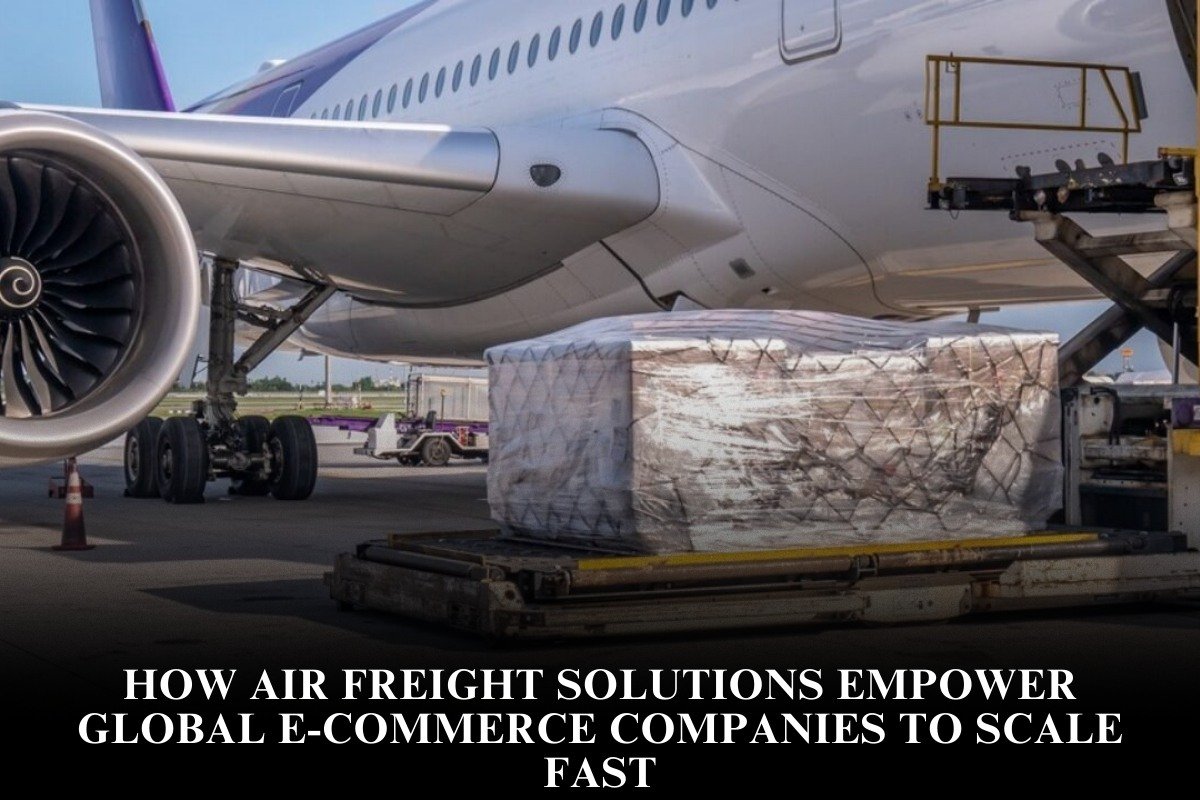
The explosive expansion of cross-border e-commerce has permanently transformed cargo flow patterns. Customers now expect faster delivery timelines, often within 24–72 hours, increasing reliance on air freight networks.
Key impacts include:
- Surge in small parcel shipments
- Expansion of regional fulfillment hubs
- Greater use of dedicated cargo aircraft
- Increased frequency of short-haul routes
Air freight is no longer limited to bulk commercial shipments; it now supports consumer-driven rapid fulfillment systems worldwide.
Digitalization and Real-Time Supply Chain Visibility
The next generation of air logistics networks is increasingly data-driven. Advanced technologies are enhancing transparency and operational precision.
Major innovations include:
- AI-powered demand forecasting
- Blockchain-based shipment documentation
- IoT-enabled cargo condition monitoring
- Automated sorting and warehouse robotics
- Predictive analytics for route optimization
| Technology | Long-Term Benefit |
|---|---|
| Artificial Intelligence | Improved capacity planning |
| IoT Sensors | Real-time shipment visibility |
| Automation | Faster cargo handling |
| Blockchain | Reduced paperwork and fraud |
Digital integration allows carriers to respond faster to disruptions and improve overall reliability.
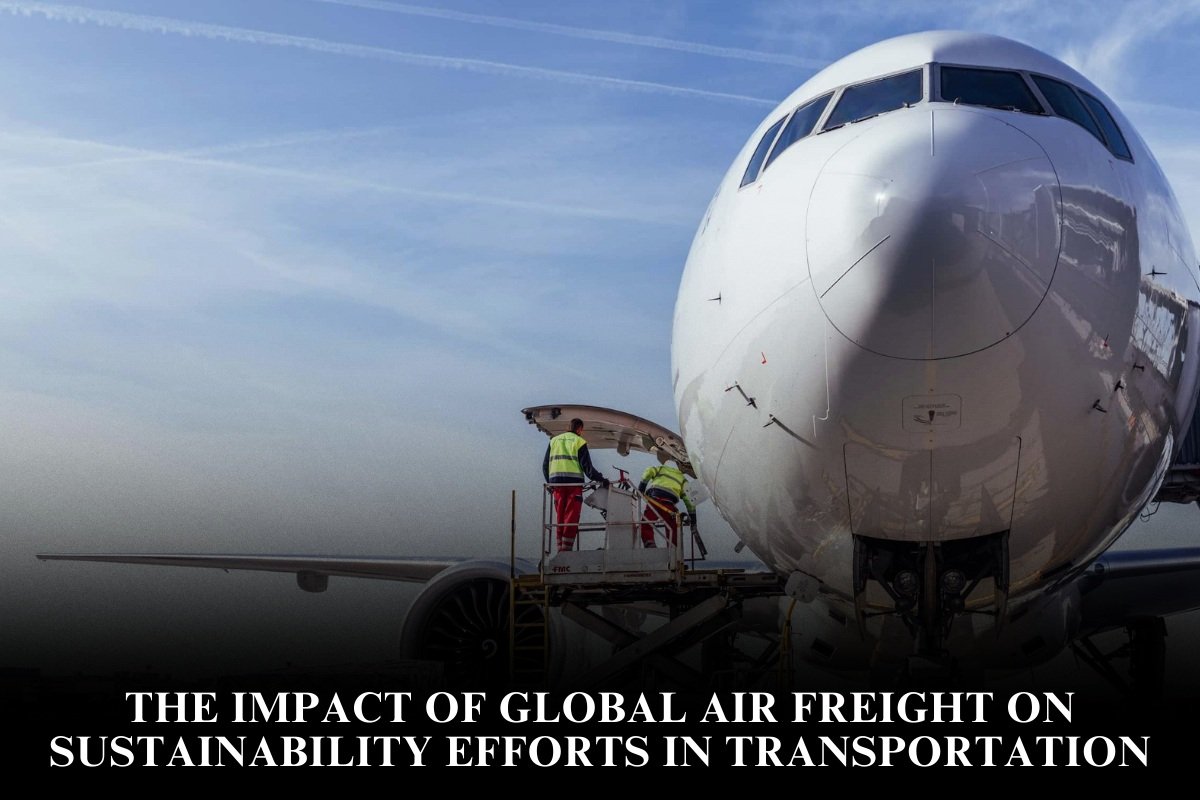
Sustainability as a Strategic Imperative
Environmental regulations and carbon reduction goals are accelerating green transformation across air freight networks.
Key sustainability initiatives include:
- Adoption of Sustainable Aviation Fuel (SAF)
- Fuel-efficient aircraft design
- Lightweight cargo containers
- Electrification of ground handling equipment
- Carbon offset programs
Although sustainability efforts may increase short-term operational costs, long-term efficiency gains and regulatory compliance will strengthen competitive positioning.
Regionalization and Network Diversification
Recent global disruptions have exposed vulnerabilities in centralized supply chains. As a result, companies are restructuring logistics models.
Emerging trends include:
- Nearshoring production facilities
- Regional cargo hubs
- Diversified trade corridors
- Greater integration with sea and rail transport
Regionalization reduces dependence on single transport routes and enhances resilience against geopolitical or economic shocks.
Infrastructure Expansion and Smart Cargo Hubs
Airports worldwide are investing heavily in cargo-specific infrastructure.
Future developments focus on:
- Automated customs clearance systems
- Smart cargo terminals
- Expanded cold chain storage
- Advanced security screening technology
Emerging markets in Asia, the Middle East, and Africa are positioning themselves as major logistics gateways, strengthening global network connectivity.
Cold Chain Growth and Specialized Cargo Handling
Pharmaceutical and biotech industries are driving demand for temperature-controlled air logistics. Maintaining strict environmental conditions during transport has become a competitive differentiator.
Cold chain innovation includes:
- Temperature-controlled aircraft containers
- Real-time environmental tracking systems
- Dedicated pharma cargo facilities
- Compliance-driven monitoring standards
Reliable cold chain performance will remain central to high-value air freight services.
Automation and Autonomous Cargo Development
The integration of automation extends beyond warehouses. Autonomous cargo aircraft and heavy-lift drones are under development for specialized use cases such as remote area delivery and emergency logistics.
While large-scale adoption may take time, automation will gradually reduce labor dependency and increase operational precision in selected markets.
Data-Driven Risk Management and Resilience
Future air freight networks will emphasize predictive risk management. Advanced analytics enable carriers to anticipate disruptions, reroute shipments, and manage capacity dynamically.
Strategic priorities include:
- Alternative routing capabilities
- Multi-carrier partnerships
- Real-time performance monitoring
- Contingency planning models
Resilience is becoming as important as speed in global logistics strategy.
Long-Term Outlook
| Future Trend | Strategic Impact |
|---|---|
| E-Commerce Growth | Higher cargo volume |
| Digital Integration | Enhanced transparency |
| Sustainability | Reduced environmental footprint |
| Regional Supply Chains | Improved resilience |
| Automation | Operational efficiency gains |
The future of global air freight lies in integrated, intelligent, and sustainable logistics ecosystems. Companies that embrace innovation, invest in infrastructure, and prioritize adaptability will define the next era of international air transport.
FAQs
Q. Why is air freight critical to global trade?
Air freight enables rapid transportation of high-value and time-sensitive goods across international markets.
Q. How is technology transforming air cargo?
AI, IoT tracking, automation, and blockchain systems are improving visibility, efficiency, and reliability.
Q. Will sustainability reshape air freight operations?
Yes. Carbon reduction initiatives and fuel innovation are becoming central to long-term strategy.
Q. Is air freight expected to grow in the coming decade?
Yes. Continued e-commerce expansion and pharmaceutical logistics demand will drive sustained growth.