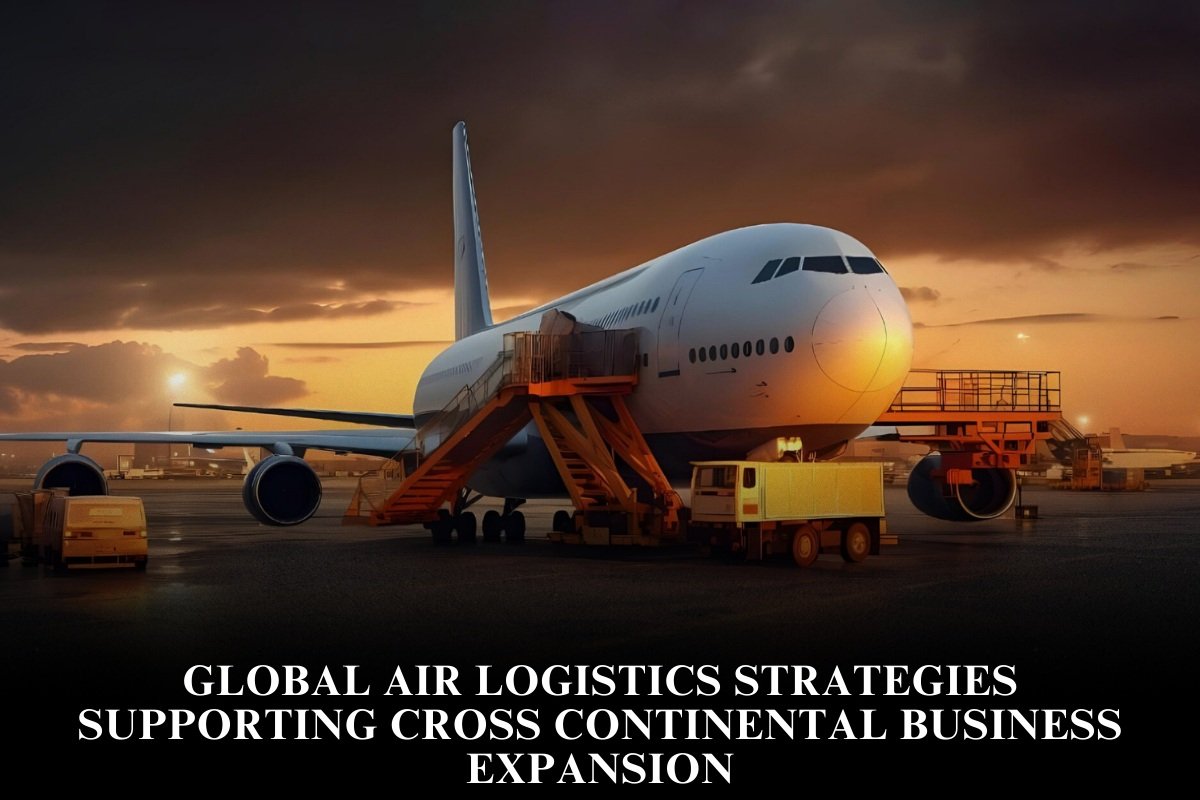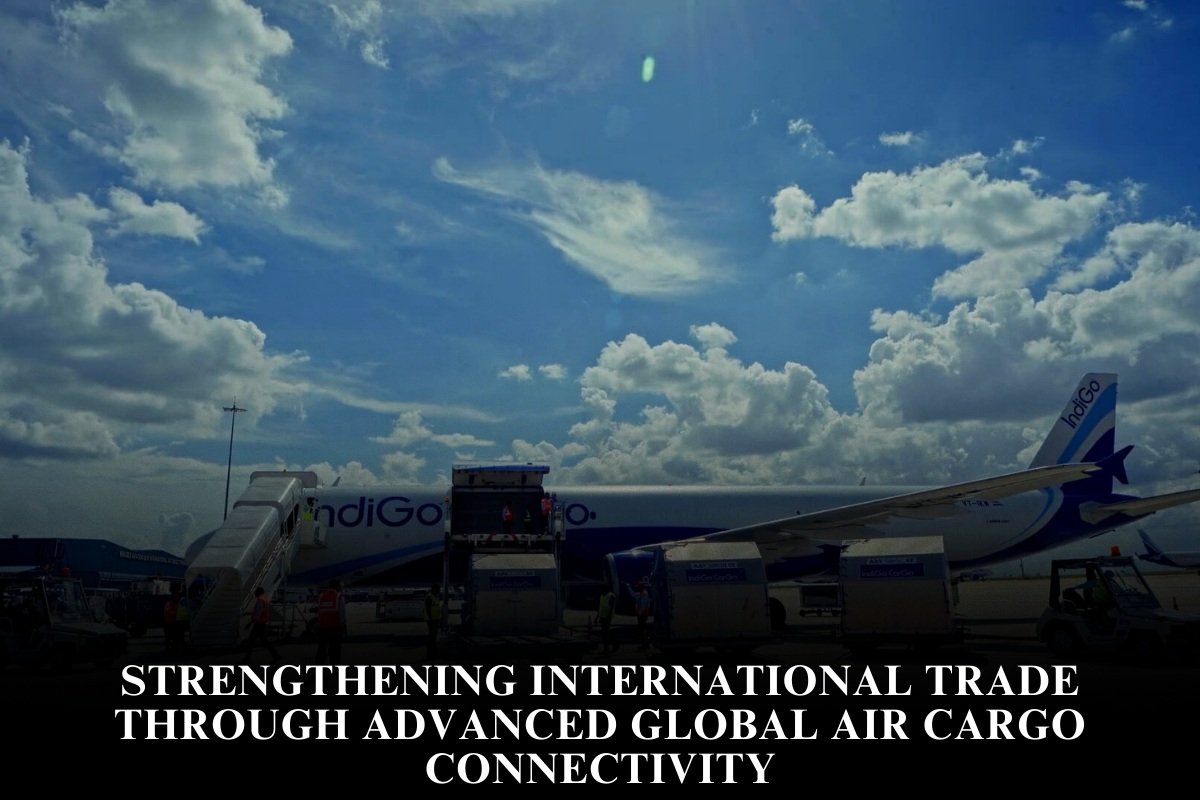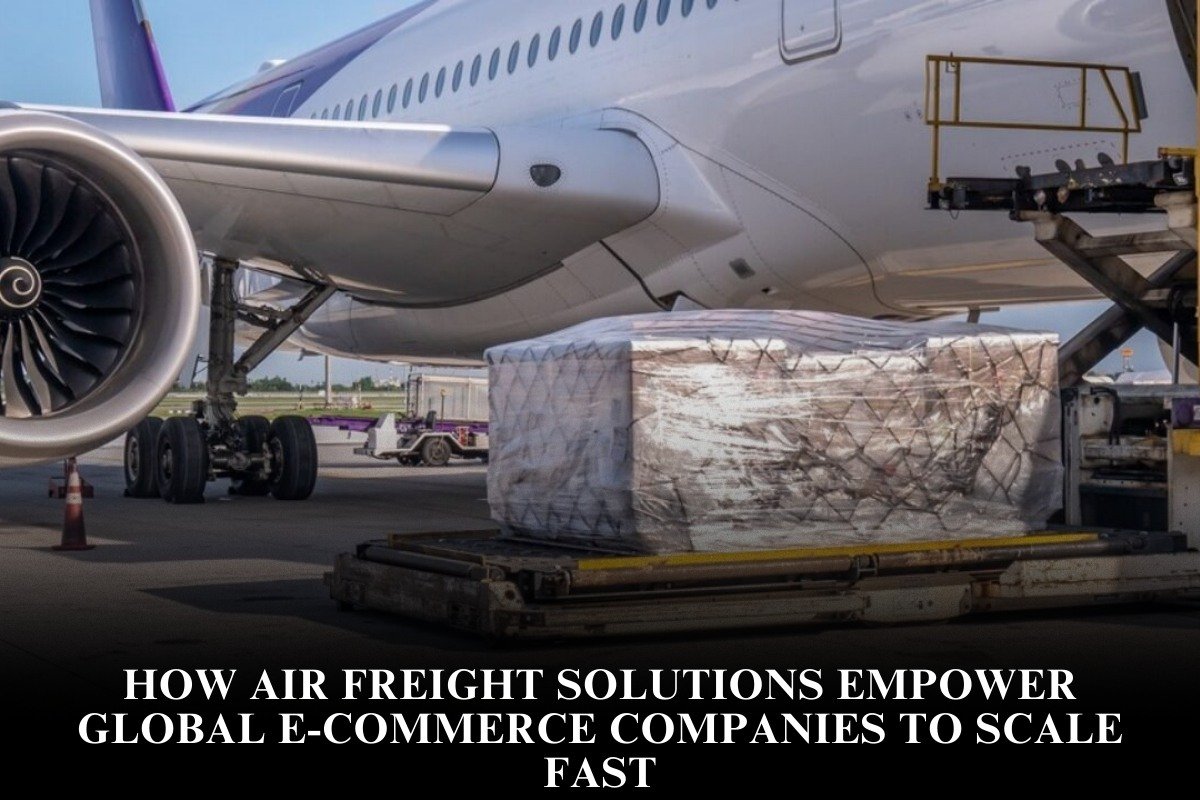
Navigating complex global supply chains demands expert air logistics coordination to ensure speed, reliability, and resilience amid disruptions like port congestion or geopolitical tensions. Air freight, handling 35% of high-value trade despite 0.5% volume, bridges gaps where sea or road fall short, with specialists optimizing routes, customs, and multimodal integration for seamless flow.
Speed and Time-Critical Delivery
Air cuts transit to hours/days versus weeks by sea, vital for perishables, electronics, or pharma (e.g., vaccines needing -80°C chains). Experts secure priority slots, chartering for AOG (aircraft on ground) emergencies, achieving 95% on-time rates. Red Sea crises highlighted this—air reroutes maintained e-commerce deadlines.
Coordinators leverage hubs like Amsterdam or Dubai for quick connections, scaling capacity dynamically to demand surges.
Risk Mitigation and Visibility
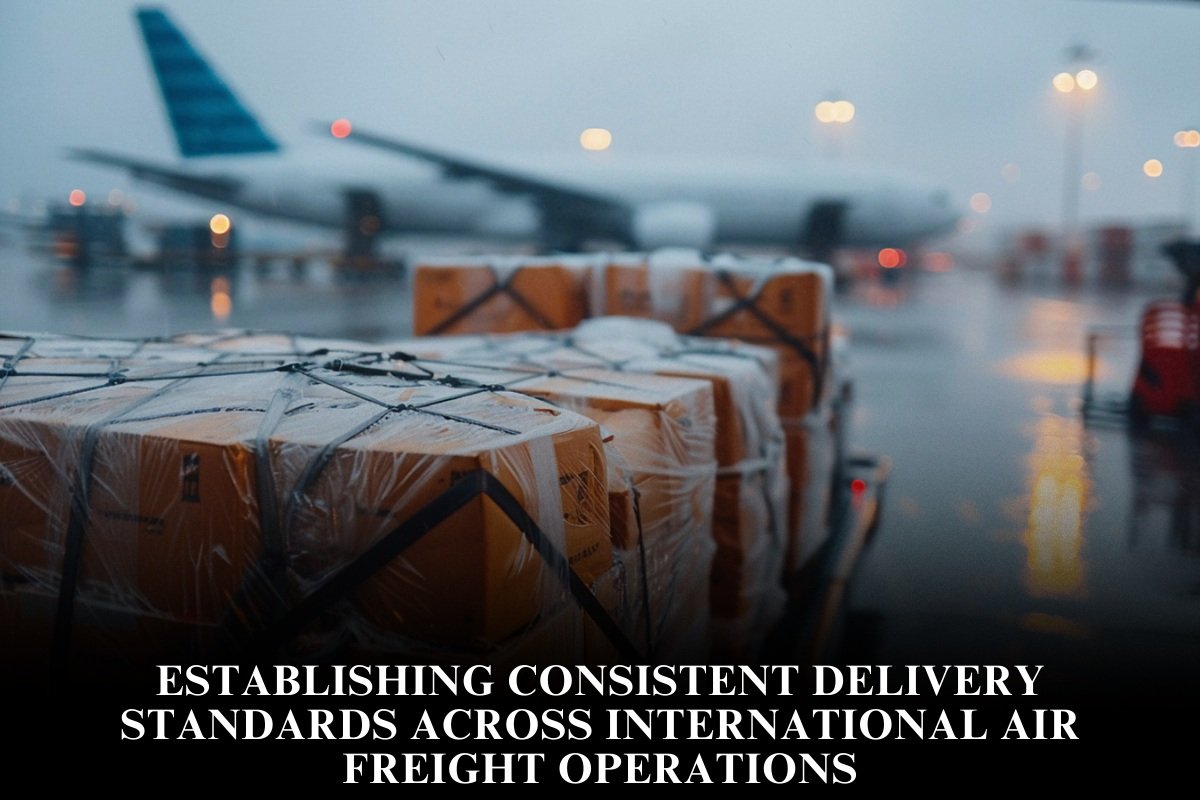
Specialists forecast delays via AI analytics, diversifying carriers to dodge strikes or weather. Real-time tracking from warehouse to runway provides end-to-end visibility, alerting to customs holds or temp deviations. Vendor management ensures compliance—dangerous goods (DG) handling per IATA rules avoids fines.
Customs brokerage pre-clears paperwork, slashing dwell times 50%. Insurance tailors to cargo value, protecting against losses.
Multimodal and Supply Chain Integration
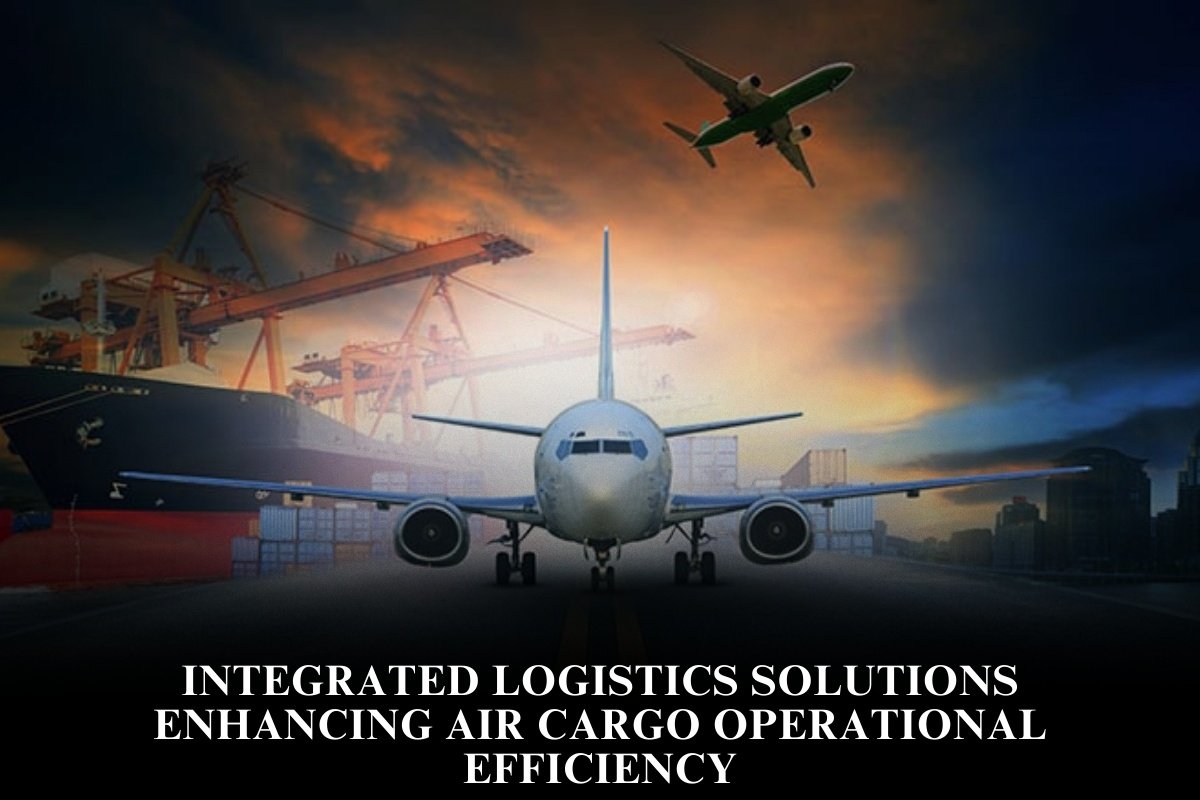
Air links with road/sea for hybrid efficiency—ocean for bulk, air for just-in-time. Coordinators like DSV or Broekman design door-to-door solutions, consolidating shipments at hubs. Inventory visibility via WMS prevents stockouts, enabling JIT manufacturing.
Sustainability focus: biofuels and optimized loads cut emissions 20-30% versus standard air.
Cost Optimization Strategies
Volume contracts lock rates; consolidators pool freight for LCL savings. Experts balance air’s premium (5-10x sea) against inventory holding costs—reducing stock by 40% via faster cycles. Peak avoidance and route tweaks yield 15-25% savings.
For high-value goods (fashion, tech), air’s low damage rates (0.1%) justify expense.
Expert Coordination Best Practices
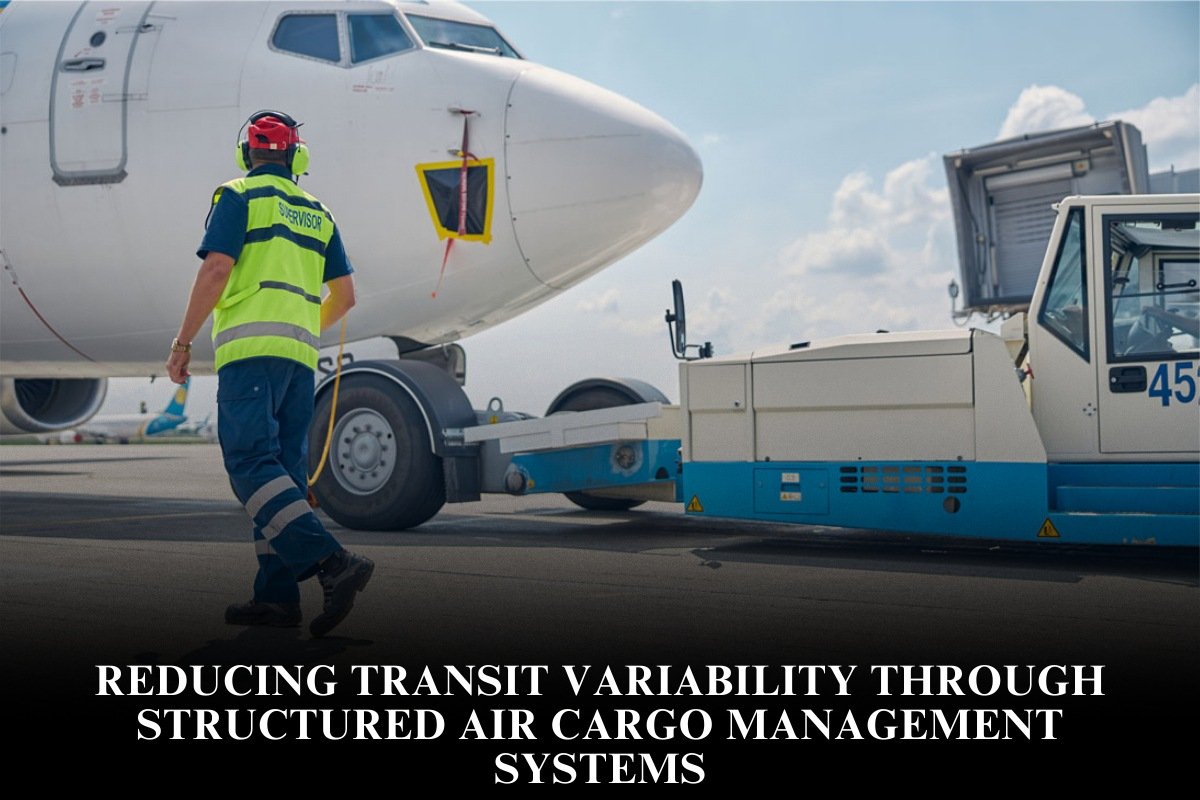
Select partners with aerospace/pharma certs (CEIV Pharma). Use control towers for 24/7 monitoring; build buffer stock for volatility. Tech stack: EDI for bookings, blockchain for provenance. Case: Aerospace firms use tailored chains for global parts, hitting 99% OTIF.
Future: Drones/autonomous flights enhance last-mile.
Challenges and Solutions
Volatility: Lock contracts. Capacity crunch: Charter networks. Regulations: Expert compliance teams.
FAQs
1. When choose air over sea?
Time-sensitive/high-value; air saves weeks, cuts inventory costs.
2. Cost-saving tips?
Consolidate, contracts, multimodal—15-25% reductions possible.
3. Visibility tools?
Real-time GPS, AI dashboards, WMS for full chain tracking.
4. Handle disruptions?
Reroute via hubs, diversify carriers, buffer stock.
5. Sustainability options?
SAF fuels, efficient packing—20% emission cuts.