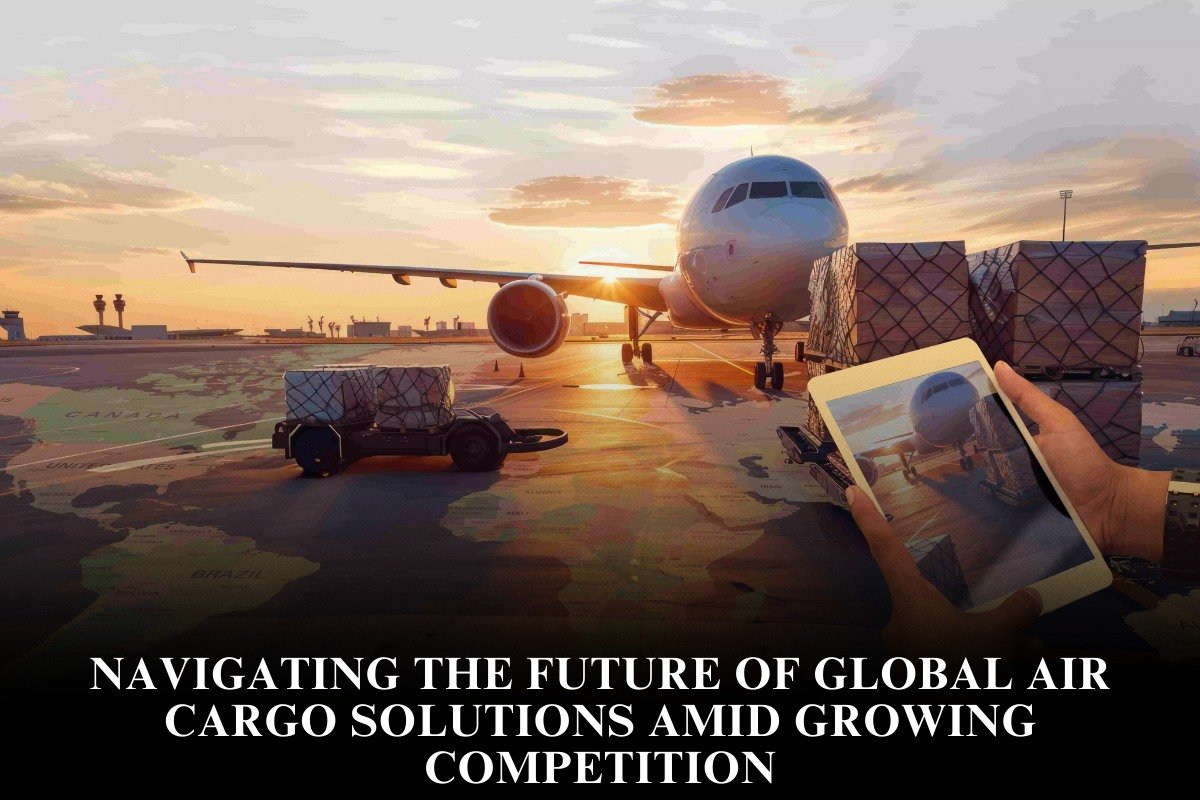
Global air cargo is entering a new era defined by intense competition, rapid technological advancement, evolving customer expectations, and sustainability pressures. As trade patterns shift and capacity expands across regions, logistics providers must rethink strategies to remain competitive. Navigating the future of global air cargo solutions requires agility, innovation, and integrated network design.
Intensifying Competition in the Air Cargo Market
The air cargo landscape is becoming increasingly crowded. Competition now comes from:
- Dedicated cargo airlines
- Passenger airlines with belly capacity
- Integrated logistics providers
- Regional carriers expanding internationally
- Multimodal transport operators
E-commerce giants are also building private cargo fleets, reshaping traditional freight dynamics. As capacity grows, differentiation through service quality and reliability becomes essential.
E-Commerce and Speed-Driven Logistics
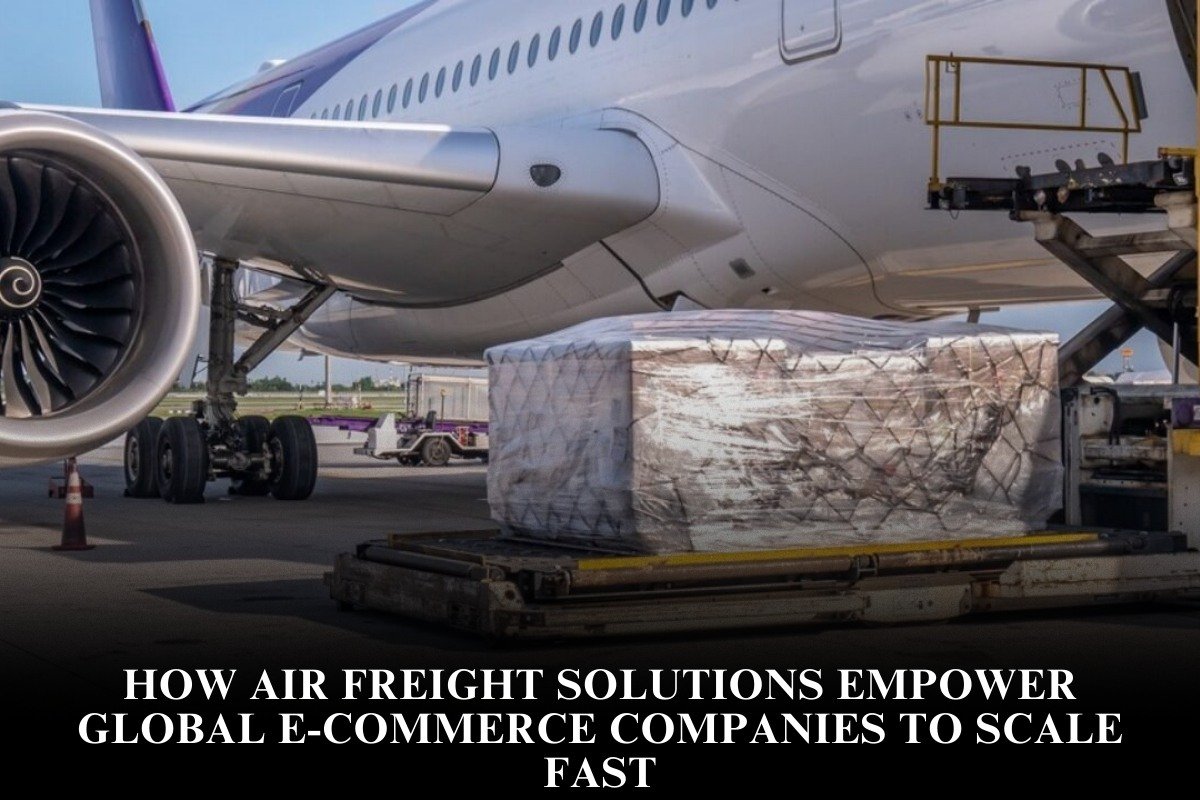
The global expansion of cross-border e-commerce continues to fuel air cargo demand. Customers expect faster, trackable deliveries with minimal delays.
Key implications include:
- Increased demand for short-haul and regional air routes
- Growth of express cargo operations
- Higher frequency flight schedules
- Expansion of urban air hubs
Air cargo providers must align infrastructure with consumer-driven delivery expectations.
Digital Transformation as a Competitive Advantage
Digitalization is now a strategic necessity rather than an operational upgrade.
Air cargo operators are investing in:
- AI-based demand forecasting
- Real-time shipment tracking
- Automated cargo handling systems
- Blockchain-enabled documentation
- Predictive route optimization
| Digital Strategy | Competitive Benefit |
|---|---|
| Real-Time Visibility | Improved customer trust |
| Automation | Reduced operational costs |
| Data Analytics | Optimized capacity planning |
| Digital Documentation | Faster customs clearance |
Companies that harness data effectively can reduce delays and enhance service reliability.
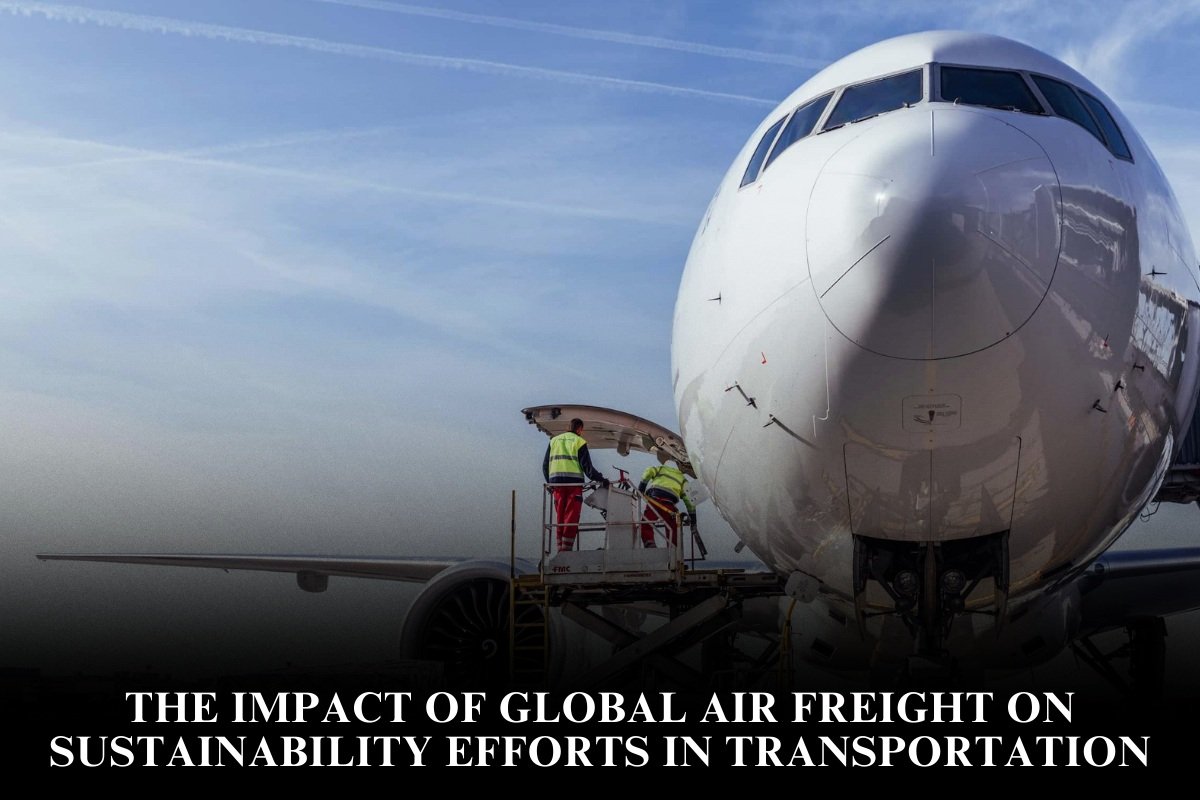
Sustainability Pressures and Green Logistics
Environmental regulations and corporate sustainability commitments are reshaping air cargo strategies. Carriers face growing pressure to reduce carbon emissions.
Major sustainability initiatives include:
- Sustainable Aviation Fuel (SAF) adoption
- Fuel-efficient aircraft fleets
- Carbon reporting transparency
- Energy-efficient ground operations
While green initiatives increase short-term costs, they improve long-term brand value and regulatory compliance.
Regionalization of Supply Chains
Global disruptions have highlighted vulnerabilities in centralized logistics networks. Businesses are increasingly diversifying trade routes and shifting toward regional supply chains.
Emerging strategies include:
- Nearshoring manufacturing
- Expanding regional cargo hubs
- Multi-carrier routing flexibility
- Integrating sea-air hybrid transport solutions
This reduces dependency on single corridors and enhances resilience.
Infrastructure and Smart Cargo Hubs
Airports worldwide are upgrading cargo facilities to manage rising demand.
Developments focus on:
- Smart cargo terminals with automation
- Temperature-controlled pharma facilities
- Advanced screening and customs systems
- Expanded runway and apron capacity
Strategic investments in infrastructure will define competitive positioning over the next decade.
The Rise of Specialized Cargo Services
Competition is shifting from general freight toward value-added services.
High-growth cargo segments include:
- Pharmaceutical cold chain logistics
- High-tech electronics
- Perishable food exports
- Time-critical industrial components
Providing specialized handling and compliance expertise differentiates service providers.
Risk Management and Network Resilience
In a volatile global environment, risk mitigation has become central to air cargo strategy.
Companies are prioritizing:
- Flexible fleet allocation
- Alternative route planning
- Multi-hub distribution models
- Real-time disruption monitoring
Resilience and adaptability are now as critical as speed.
Future Competitive Landscape
| Market Force | Strategic Response |
|---|---|
| Rising Competition | Service differentiation |
| E-Commerce Growth | Faster transit models |
| Sustainability Mandates | Green innovation |
| Digital Acceleration | Smart logistics systems |
| Supply Chain Diversification | Regional hub expansion |
The future will favor companies that integrate technology, sustainability, and operational agility into unified cargo solutions.
FAQs
Why is competition increasing in global air cargo?
Growing e-commerce demand, expanded airline capacity, and private logistics fleets are intensifying market competition.
How is digitalization improving air cargo operations?
It enhances tracking accuracy, reduces paperwork, improves forecasting, and optimizes routing efficiency.
Will sustainability increase costs for air cargo providers?
Initially, yes. However, long-term operational efficiency and regulatory compliance offset costs.
What is the biggest opportunity in air cargo growth?
E-commerce expansion and specialized cargo services, especially cold chain logistics, present strong growth potential.