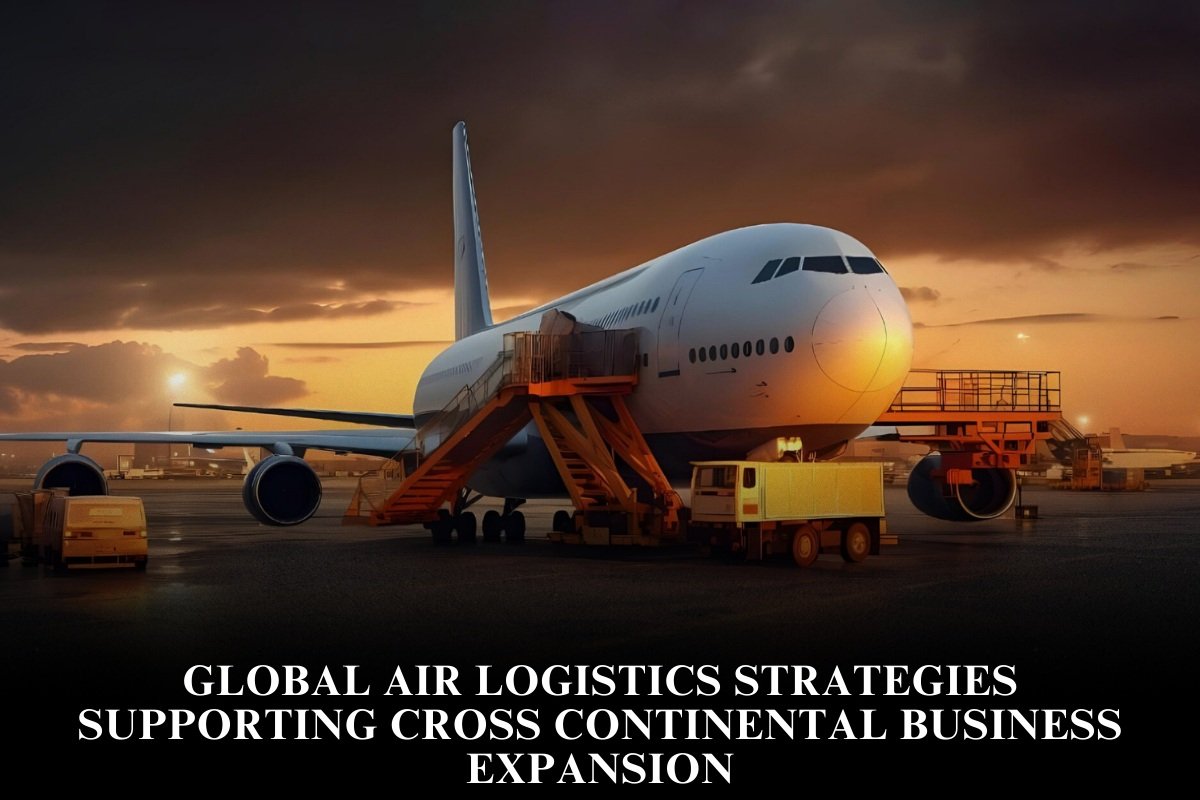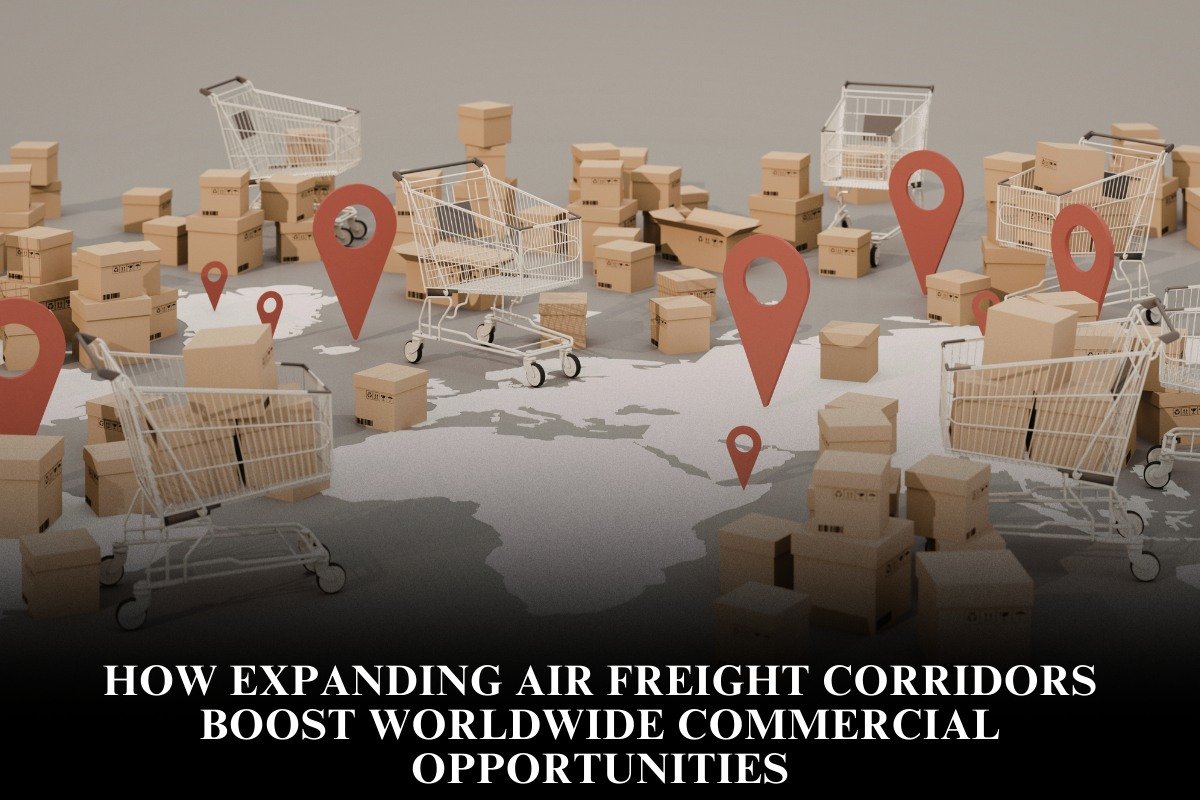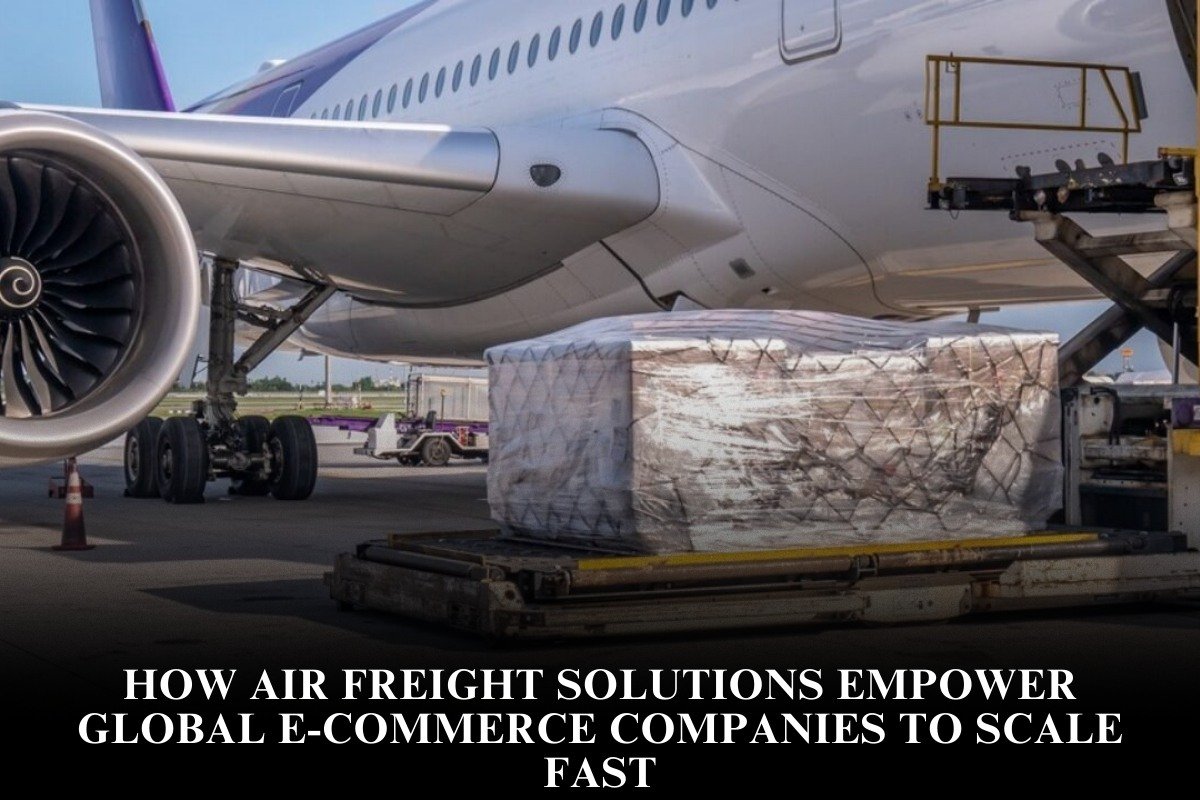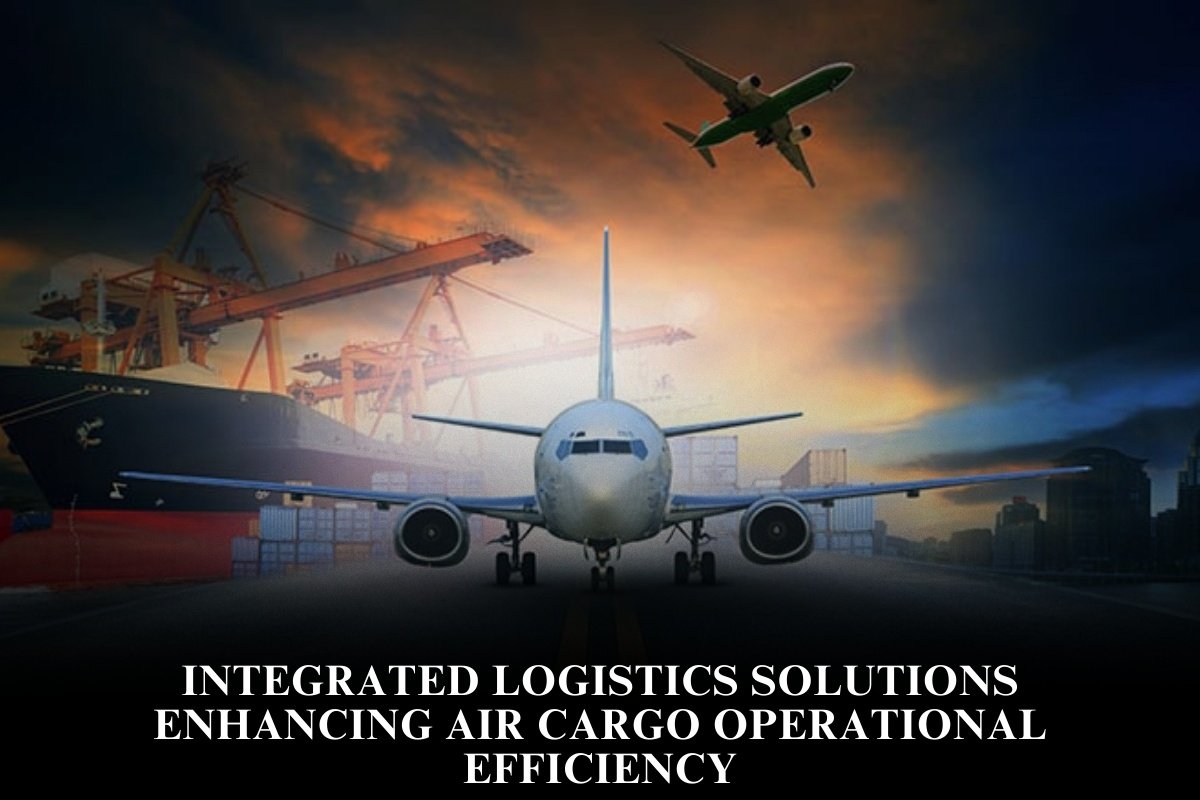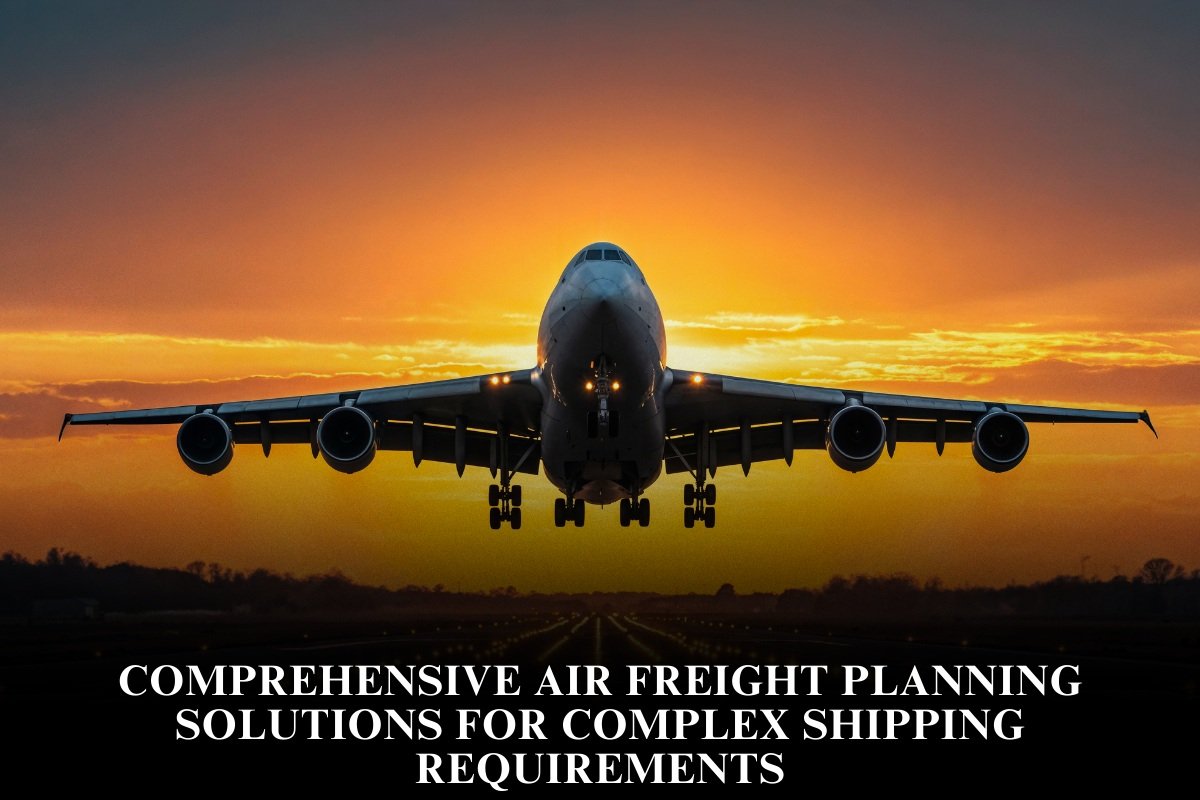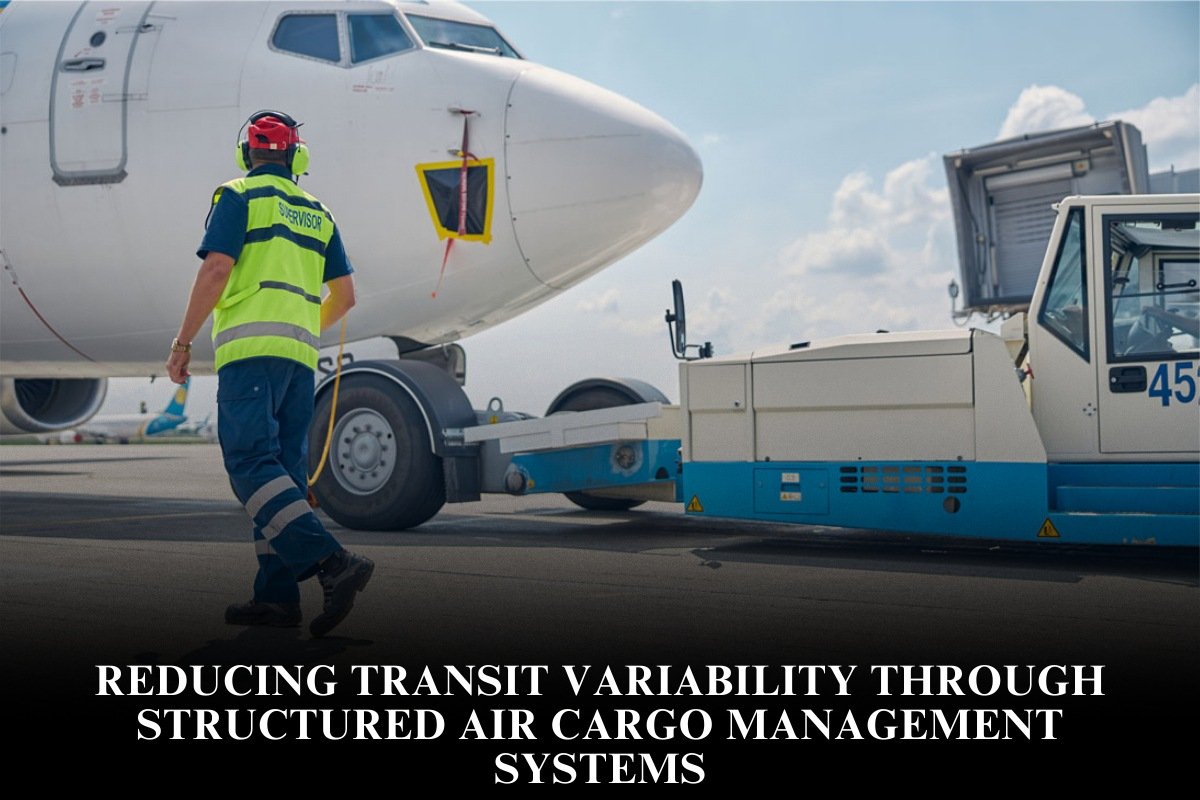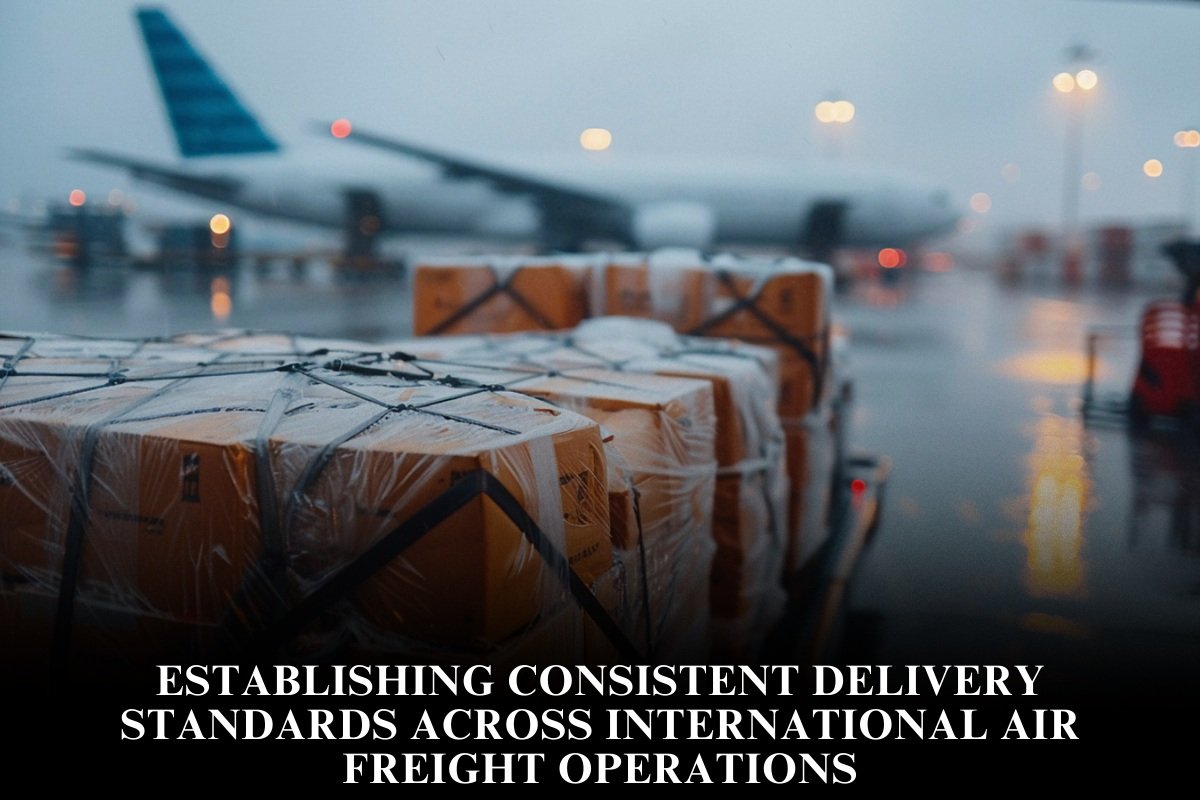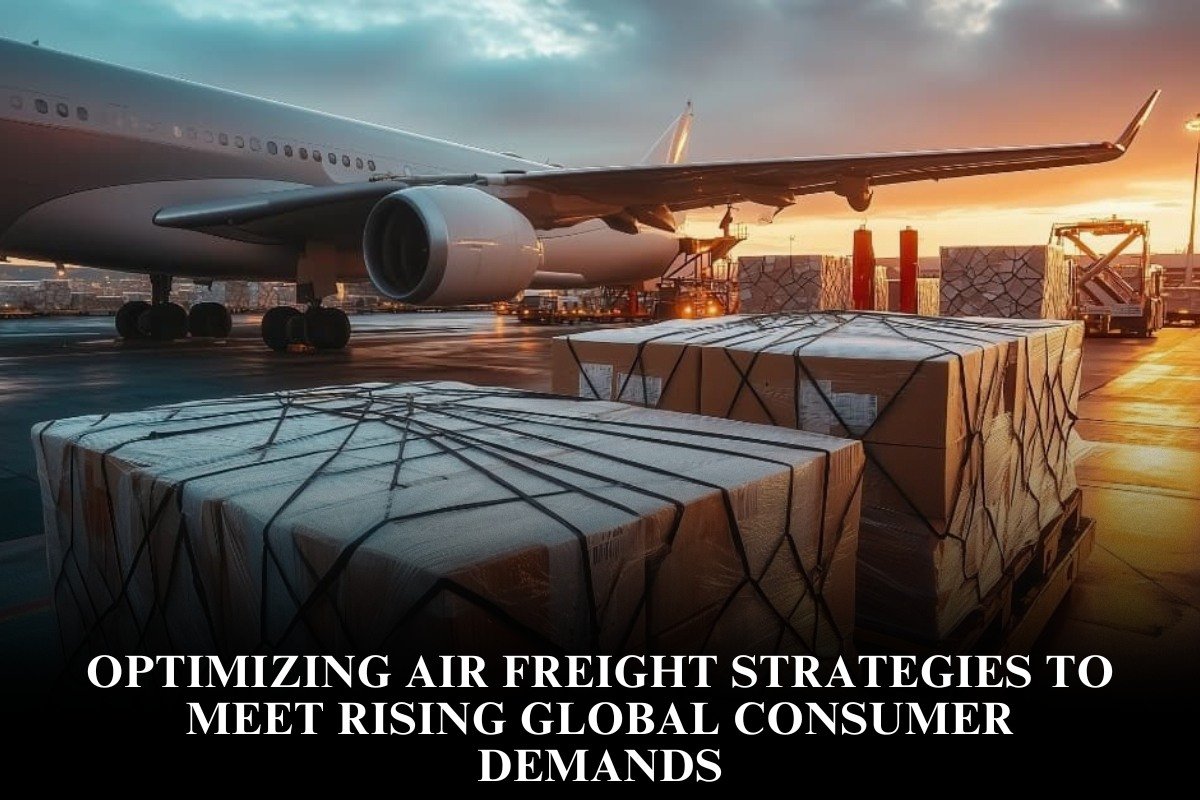
Global consumer behavior has shifted dramatically in recent years. Faster delivery expectations, the growth of e-commerce, and increasingly complex supply chains have placed air freight at the center of modern logistics strategies. To remain competitive, businesses must optimize air freight operations not only for speed, but also for cost efficiency, resilience, and sustainability.
A key driver of optimization is demand forecasting. Advanced analytics and AI-enabled tools now allow logistics teams to anticipate seasonal spikes, regional trends, and promotional surges with greater accuracy. By aligning air freight capacity with real demand, companies can reduce last-minute bookings, avoid premium rates, and maintain service-level agreements during peak periods.
Another critical strategy is network optimization. Rather than relying on a limited number of major hubs, leading shippers diversify routes and leverage secondary airports closer to end markets. This approach reduces congestion risks, shortens last-mile delivery times, and improves overall reliability. Strategic partnerships with multiple carriers further enhance flexibility, allowing rapid reallocation of capacity when disruptions occur.
Cost management remains a central concern as fuel prices and operating expenses fluctuate. Optimized consolidation—combining shipments from multiple origins or suppliers—helps maximize aircraft utilization and lower per-unit costs. Additionally, companies are increasingly using hybrid models, blending air freight with sea or ground transport for less time-sensitive goods while reserving air capacity for high-value or urgent shipments.
Sustainability is now inseparable from optimization. Consumers and regulators alike expect greener logistics. Investments in fuel-efficient aircraft, sustainable aviation fuels, and carbon-offset programs are becoming standard components of air freight strategies. Transparency in emissions reporting also strengthens brand trust and supports long-term compliance goals.
Ultimately, optimizing air freight is not about speed alone. It is about building an agile, data-driven, and responsible logistics framework capable of meeting rising global consumer demands while balancing cost, reliability, and environmental impact.
Mobilizing Faith and Civic Organizations as Partners in Community Care
As communities face increasing social and economic pressures, faith-based and civic organizations are emerging as essential partners in delivering effective community care. These groups often possess deep local trust, volunteer networks, and cultural understanding that complement public and private sector efforts.
One of their greatest strengths is community reach. Faith and civic organizations are embedded in neighborhoods and often serve populations that are difficult for formal institutions to engage. This proximity allows them to identify emerging needs quickly, whether related to food insecurity, mental health support, disaster response, or youth development.
Effective mobilization begins with structured collaboration. Governments, healthcare providers, and nonprofits that clearly define roles, responsibilities, and communication channels can unlock the full potential of these organizations. Training programs, shared data systems, and small-grant funding models help ensure consistency and accountability while respecting each organization’s mission and autonomy.
Volunteer mobilization is another critical advantage. Faith and civic groups often have established volunteer pipelines motivated by service and shared values. When aligned with professional service providers, these volunteers can extend care capacity, reduce operational costs, and improve continuity of support for individuals and families.
Equally important is cultural competence. Community care initiatives are more effective when they reflect the beliefs, languages, and social norms of the populations they serve. Faith and civic organizations naturally provide this contextual understanding, helping tailor programs in ways that increase participation and long-term impact.
Sustainable partnerships require mutual respect and measurable outcomes. By integrating faith and civic organizations into broader community care strategies, societies can create more resilient support systems that respond not only to immediate crises but also to long-term social well-being.
FAQs
What are the main benefits of optimizing air freight strategies?
Optimized air freight improves delivery speed, reduces logistics costs, enhances supply chain resilience, and supports sustainability goals through better capacity and route management.
How does data analytics support air freight optimization?
Data analytics enables accurate demand forecasting, route planning, capacity allocation, and real-time decision-making, helping organizations respond quickly to market changes.
Why are faith and civic organizations important in community care?
They offer trusted local presence, volunteer networks, and cultural insight, allowing care programs to reach vulnerable populations more effectively.
How can public institutions collaborate with faith-based organizations?
Through clear partnership frameworks, shared objectives, training, and transparent accountability measures that align services while respecting organizational missions.
Can these two strategies—logistics optimization and community care—be aligned?
Yes. Efficient logistics support humanitarian aid and community services, while strong community partnerships ensure resources are distributed where they are most needed, creating a more responsive and inclusive system.