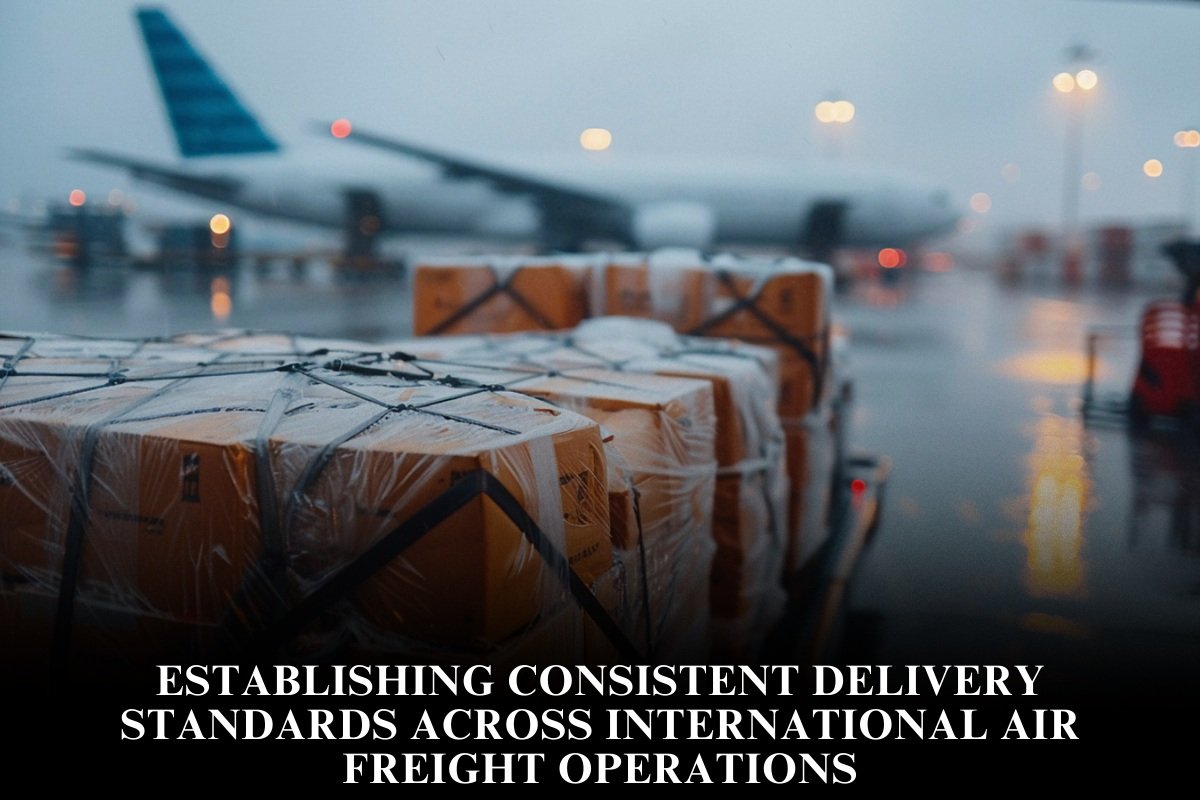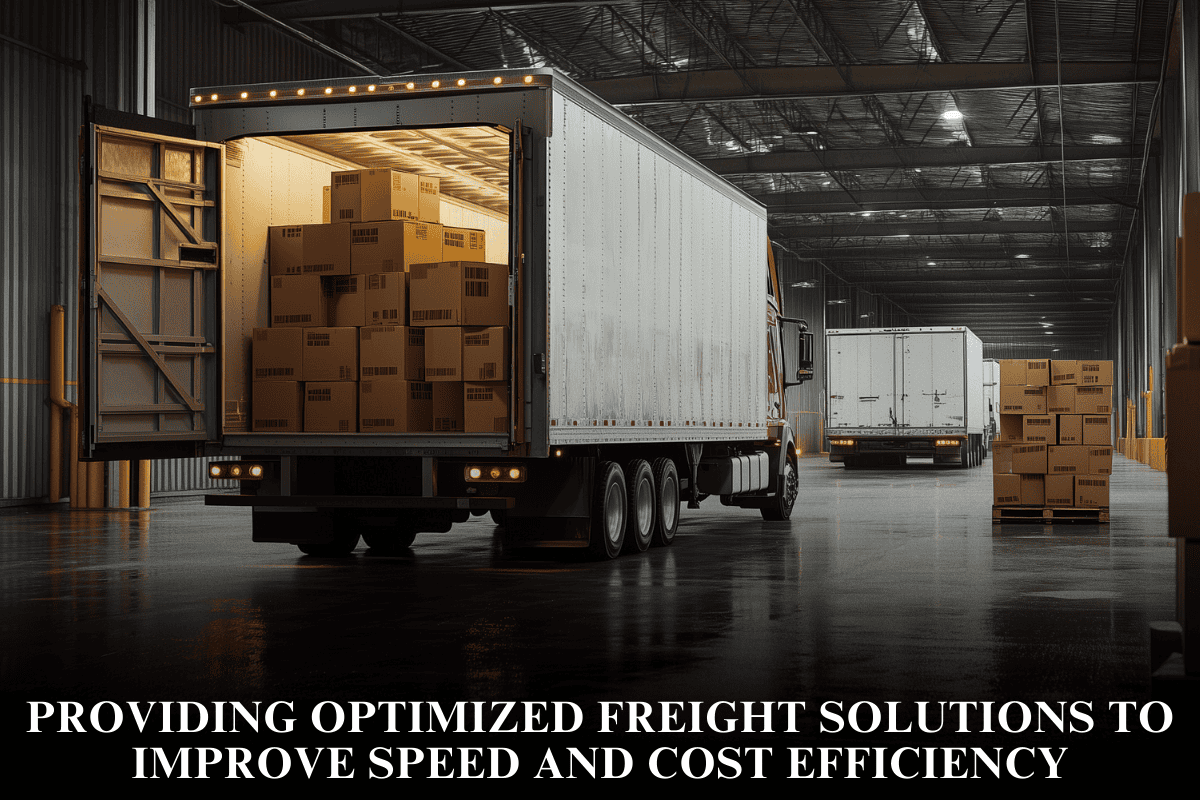
Optimized freight solutions in the US leverage technology and strategic planning to boost speed while slashing costs in a volatile 2026 market marked by capacity shifts and rising regulations. Shippers adopting multimodal routing, AI optimization, and carrier partnerships achieve 15-25% efficiency gains amid freight downturns and infrastructure upgrades.
2026 Freight Market Challenges
US freight volumes dipped 7.1% per the Cass Freight Index, with excess truckload capacity—90% from small fleets under 10 trucks—driving down rates despite regulatory pressures on CDL holders and English proficiency rules. Lane volatility from nearshoring, port diversification, and trade uncertainties demands agile networks, as construction chokepoints disrupt traditional routes.
Last-mile pressures compound issues: Higher costs, emissions regs, and service demands push for end-to-end data use beyond basic routing. Optimizing counters these, turning volatility into advantage via quarterly refreshes over annual bids.
Core Optimization Strategies
AI-Driven Route Planning: Tools model total landed costs—including tariffs, carbon fees, and border delays—for dynamic rerouting, reducing empty miles 20% and transit times 15%. Digital twins simulate scenarios, prioritizing border velocity in nearshoring shifts.
Multimodal Mode-Shifting: Analyze borderline LTL loads for partial TL or intermodal, consolidating shipments to cut costs 10-20%. LTL networks with advanced optimization maximize capacity, minimizing fuel via shorter hauls and regional carriers.
Long-Term Carrier Contracts: Secure critical lanes via mini-bids early, locking capacity before 2026 tightenings. Vetting for compliance ensures reliability, with brokers using tech for load matching and risk management.
Technology Enablers
End-to-end platforms integrate routing guides, appointment discipline, and predictive analytics for 90% on-time rates. Network regionalization via micro-fulfillment cuts long-haul waste; quarterly pricing updates align with spot market swings.
Fuel-efficient equipment and continuous-improvement KPIs with partners reduce emissions while enhancing service—vital as insurers tighten underwriting.
Implementation Roadmap
- Map high-risk lanes: Prioritize via service failure costs, not just rates.
- Build total-cost models: Factor duties, delays, inventory.
- Deploy tech stack: AI for execution loops, dashboards for visibility.
- Partner strategically: Demand measurement cadences from carriers.
- Monitor continuously: Refresh networks quarterly amid infrastructure flux.
Shippers focusing on predictability gain favorable pricing; carriers thrive via compliance investments. This yields stable networks resilient to capacity shakeouts.
Measurable Outcomes
Optimized firms report lower tender rejections, reduced spot exposure, and 25% peak demand cuts. Infrastructure investments like roundabouts ultimately aid reliability, but proactive avoidance of disruptions maximizes ROI. Forward-thinking logistics align with net-zero pushes, enhancing competitiveness.
FAQs
What drives 2026 freight volatility?
Capacity shakeouts, CDL regs, nearshoring, and infrastructure projects reshape lanes.
How does AI optimize freight?
Models total costs, predicts delays, cuts empty miles 20% via dynamic routing.
Why shift to multimodal?
Saves 10-20% on LTL by consolidating into TL or intermodal for efficiency.
When to secure carrier contracts?
Early via mini-bids for critical lanes before capacity tightens.
What’s quarterly refreshing’s benefit?
Aligns pricing to market shifts, avoids outdated awards and spot premiums.