Value-driven logistics solutions for complex international trade flows optimize costs, minimize risks, and accelerate delivery in an era of tariffs, supply chain disruptions, and nearshoring.
In the US, where 2026 trade faces rerouting from China to Southeast Asia/India amid trucking regulations and port congestion, providers like FedEx Trade Networks and C.H. Robinson deliver integrated strategies that save 15-25% on total landed costs while ensuring compliance across $3 trillion in annual imports/exports.
Navigating 2026 Trade Complexities
Tariffs on Asian goods and “China+1” shifts demand agile networks: double-digit drops in direct China-US volumes push flows through Vietnam/India, complicating origins, ports, and inland routing.
US importers redesign lanes—West Coast to Gulf/East Coast—balancing transit times, rail ramps, and compliance. Trucking rules tighten ELDs/emissions, while ocean volatility (blank sailings, 28-month high trans-Atlantic capacity) requires hybrid air-ocean contingency planning. Value manifests as controlled execution: tariff-aware mapping overlays SKUs, origins, and routings to cut exposure 20-30%.
Integrated Lane Architecture
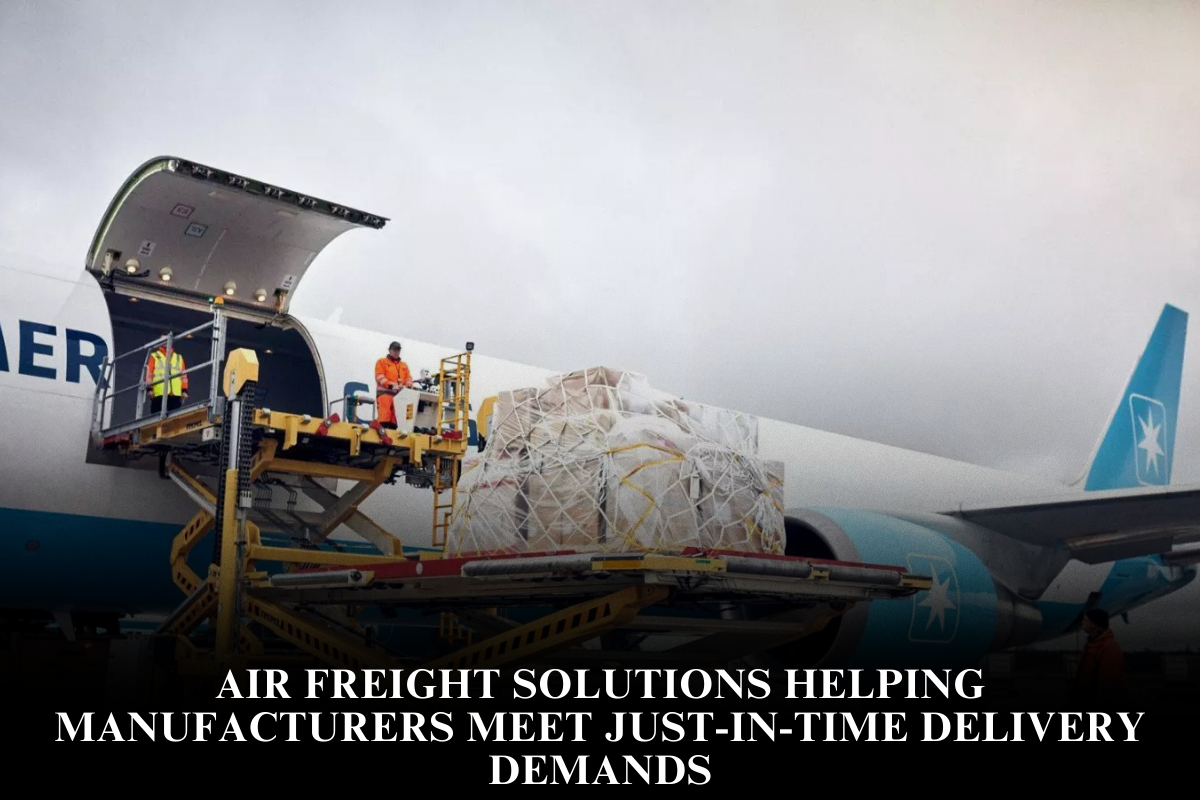
Structured programs replace transactional booking: map flows granularly (port pairs, inland hubs), then engineer carrier mixes (core contracted + spot flex) with performance metrics over price. For electronics JIT from Shenzhen, combine ocean consolidations with air charters for critical parts; reefer logistics validate equipment pre-shipment for pharma.
Nearshoring to Mexico leverages USMCA, slashing duties 10-15% via IMCO trucking—providers coordinate drayage, customs, and temperature monitoring end-to-end.
3PLs like DP World integrate warehousing/distribution with ocean/air, using AI for demand forecasting (>85% accuracy) that prevents stockouts amid volatile sourcing.
Technology-Enabled Optimization
- Execution Dashboards: Real-time visibility across ocean ETAs, port TATs (<90 min targets), inland velocity. Predictive rerouting diverts around congestion, maintaining 95% OTIF.
- Compliance Automation: Blockchain verifies origins for tariff avoidance; AI flags restricted SKUs pre-booking. FedEx tools handle AES filings, saving 2-3 days on exports.
- Dynamic Capacity: Mini-bids flex spot rates; contracted cores lock strategic lanes. Yield management balances high-margin air with cost-effective ocean.
Sustainability layers add value: SAF reporting cuts emissions 80%, appealing to ESG-focused clients.
Sector-Specific Solutions
- Manufacturing/Auto: Lane redesigns exploit underused Gulf ports for Mexico flows; rail intermodals cut truck bottlenecks 40%.
- Pharma/Biologics: Cold chain protocols (2-8°C validation, priority discharge) ensure zero spoilage, with inland reefer buffering.
- Retail/E-Commerce: Last-mile optimization via micro-fulfillment; tariff mapping shifts sourcing to low-duty origins.
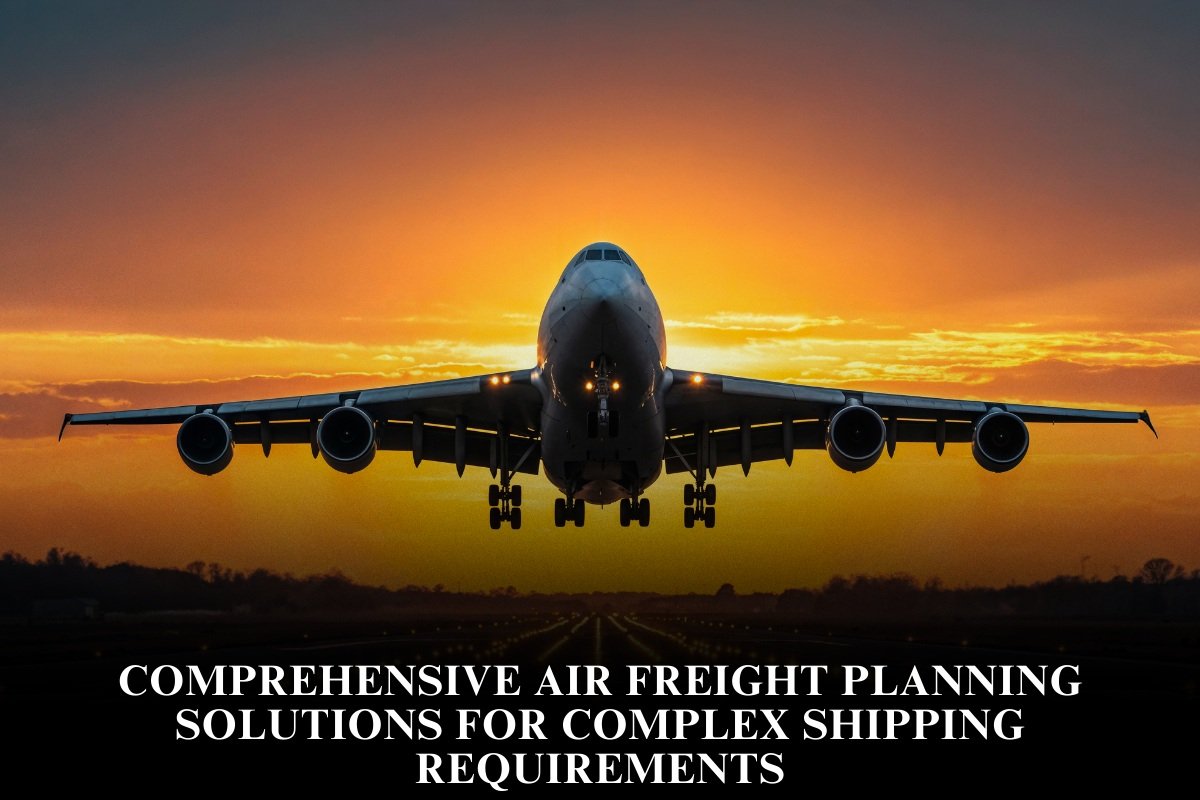
- Energy/Oilfield: Project logistics for oversized via charters (AN-124), coordinated with USMCA exemptions.
Risk Management Frameworks
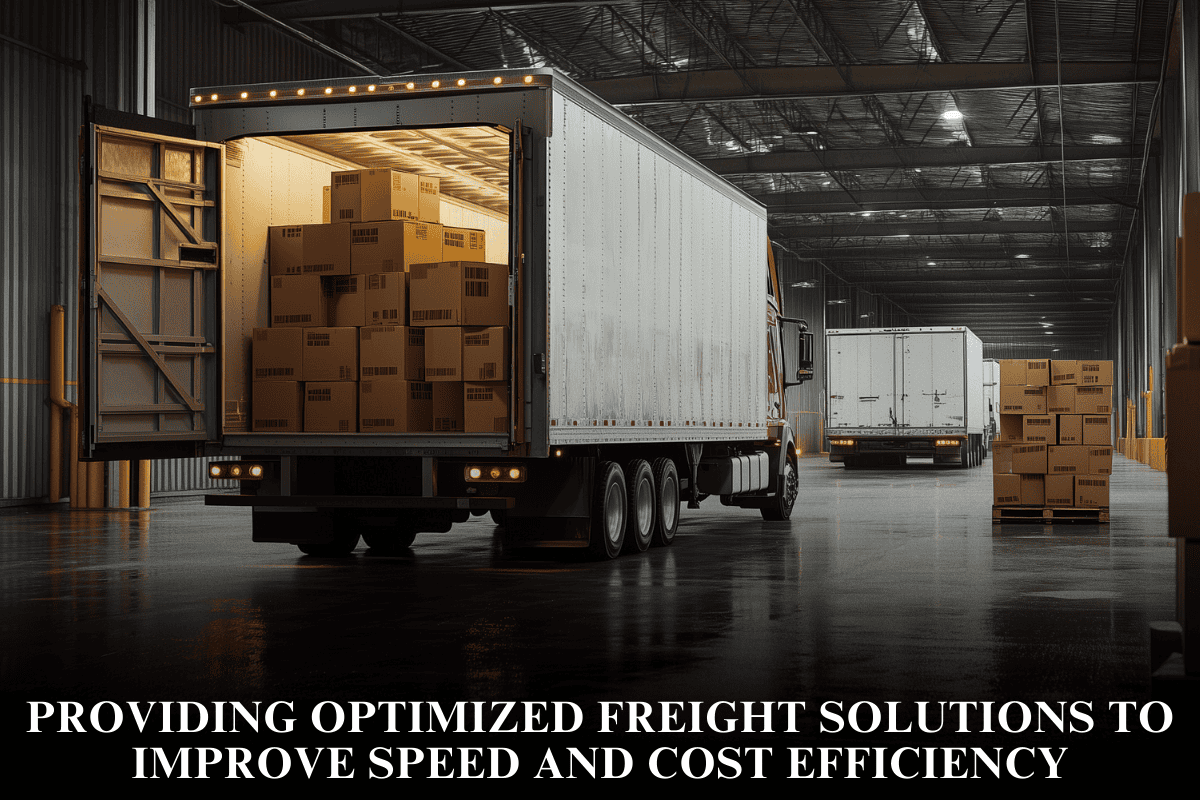
Port risk matrices weigh congestion (LAX clusters) vs. resilience (CVG expansions). Multi-modal contingencies—air backup for ocean delays—hit 99% delivery guarantees. Trade teams integrate with logistics for origin validation, avoiding third-country rerouting penalties. 2026 trucking compliance (hours-of-service) demands vetted carriers with performance tiers.
Economic Multipliers and ROI
Shippers gain 15-25% savings via optimized routings; 3PLs deliver $7 ROI per $1 via reduced inventory holding (just-in-time precision). USMCA unlocks $100B+ bilateral trade; nearshoring cuts lead times 50% vs. Asia. Market outlook: steady growth despite policy shifts, with 84.6% industry optimism.
Provider Differentiation
Integrated Global Logistics engineers “resilience architecture”—centralized control over fragmented execution. Thomson Reuters notes complexity demands cross-functional teams; Reuters Events Supply Chain USA 2026 spotlights shipper-driven innovations. Leading 3PLs offer white-glove consulting: network mapping, carrier scorecards, scenario modeling.
Future-Proofing for 2026+
Global Trade Observatory forecasts sustained volatility; autonomous trucks/drones by 2030 reshape last-mile. Providers investing in AI compliance platforms position clients for autonomous trade ecosystems.
Value-driven logistics transcends transport—it’s strategic partnership engineering resilient flows through complexity, turning trade friction into competitive advantage.
FAQs
1. What’s tariff-aware network mapping?
Overlaying SKUs/origins with duties to redesign lanes, cutting exposure 20-30%.
2. How do 3PLs optimize complex flows?
Integrated ocean/air/reefer with AI forecasting, dynamic capacity mixes.
3. USMCA’s logistics impact?
10-15% duty savings via Mexico nearshoring, coordinated IMCO trucking.
4. Key 2026 challenges?
China shifts, port congestion, trucking regs—solved via contingencies.
5. ROI from value-driven solutions?
15-25% landed cost reduction, 95% OTIF guarantees.