Reliable handling and real-time coordination safeguard critical U.S. shipments—like pharmaceuticals, electronics, and perishables—ensuring they arrive intact across global supply chains. In an era of rising e-commerce and just-in-time manufacturing, these practices minimize losses, meet FDA/TSI compliance, and deliver 99% on-time rates for high-value cargo from American hubs.
Why Critical Shipments Demand Protection
High-stakes goods face risks: temperature excursions spoil 20% of pharma without monitoring, while mishandling damages 15% of semiconductors. Real-time IoT sensors (GPS/RFID) track location, humidity (40-60% RH), and shocks, alerting handlers instantly via apps like Shipsgo or Arviem. U.S. exporters shipping $500B+ annually rely on this to avoid $10B losses from delays or spoilage.
Core Handling Protocols
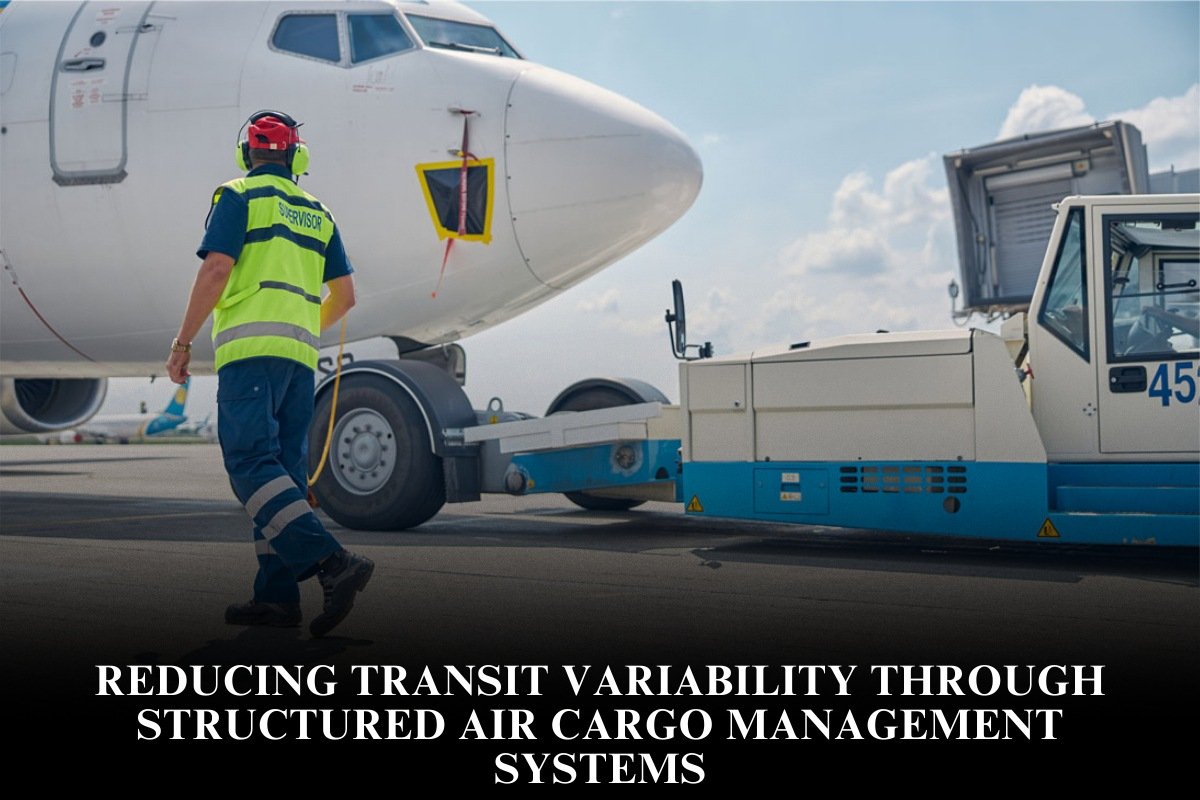
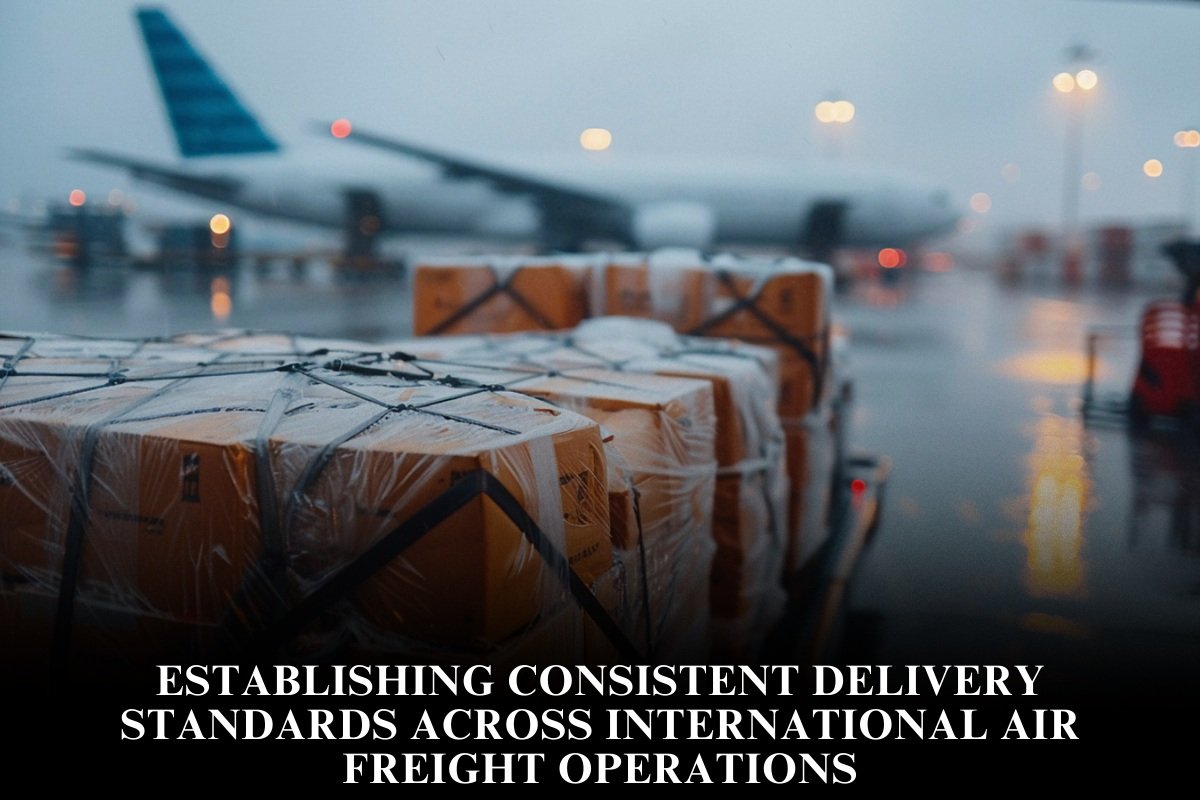
Trained crews use anti-static pallets, foam dunnage, and shock-watch labels for fragile tech. Pharma pallets stay in 2-8°C reefers with data loggers, validated per IATA CEIV. Forklifts limit G-forces to 2G; double-walled boxes prevent crushes. Pre-loading audits confirm seals, with chain-of-custody docs blockchain-secured for tamper-proofing.
Real-Time Coordination Edge
Platforms like CargoEZ and WebCargo fuse AWB tracking with live ETAs, updating every 15 mins across 370+ airlines. Dashboards show MAN/DEP/RCF status, split shipments, and flight delays—vital for rerouting around storms. API integrations sync ERPs, notifying stakeholders via SMS for <2-hour responses.
U.S. Hub Operations
Memphis Superhub coordinates 4M tons via AGVs, scanning pallets at 500/min. UPS Worldport in Louisville uses AI for dynamic routing, handling 416 flights daily. Miami gateways pharma to Latin America with 99.9% cold chain integrity, leveraging real-time dashboards for customs pre-clearance.
Risk Mitigation Strategies
Predictive alerts flag disruptions 24 hours ahead; redundant flights buffer peaks. Insurance covers 110% declared value; recovery teams mobilize for diversions. Sustainability ties in—SAF fuels cut emissions 10% without compromising handling speed.
Economic and Compliance Wins
Firms save 15-25% on inventory via visibility, per Freightos data; FDA audits pass seamlessly with immutable logs. SMEs access enterprise tools via subscriptions ($50-200/month), leveling against giants like Boeing or Pfizer shipments.
Case Studies
A Texas pharma exporter used Arviem sensors to avert $1M vaccine loss during a 2025 heatwave reroute. Seattle electronics firm cut claims 40% with CargoEZ maps, ensuring Apple-grade chips hit Asia fabs on spec.
Challenges Overcome
Data silos? Unified platforms aggregate 150+ carriers. Rural gaps? Satellite IoT extends coverage. By 2030, 90% critical cargo will use end-to-end tracking, fortifying U.S. supply chains against disruptions.
These safeguards don’t just protect—they empower seamless global trade from America’s heartland to every continent.
FAQ
Q. What tech enables real-time tracking?
GPS/RFID/IoT sensors for location, temp, shocks—updates every 15 mins.
Q. How does handling protect critical goods?
G-force limits, reefers, shock labels; blockchain for custody.
Q. Top U.S. platforms for coordination?
Shipsgo, CargoEZ, Arviem—AWB maps, alerts for 370+ airlines.
Q. Savings from these systems?
15-25% inventory costs; <1% spoilage via predictive alerts.
Q. Compliance benefits for pharma/tech?
FDA/IATA validated logs; 99.9% cold chain integrity.