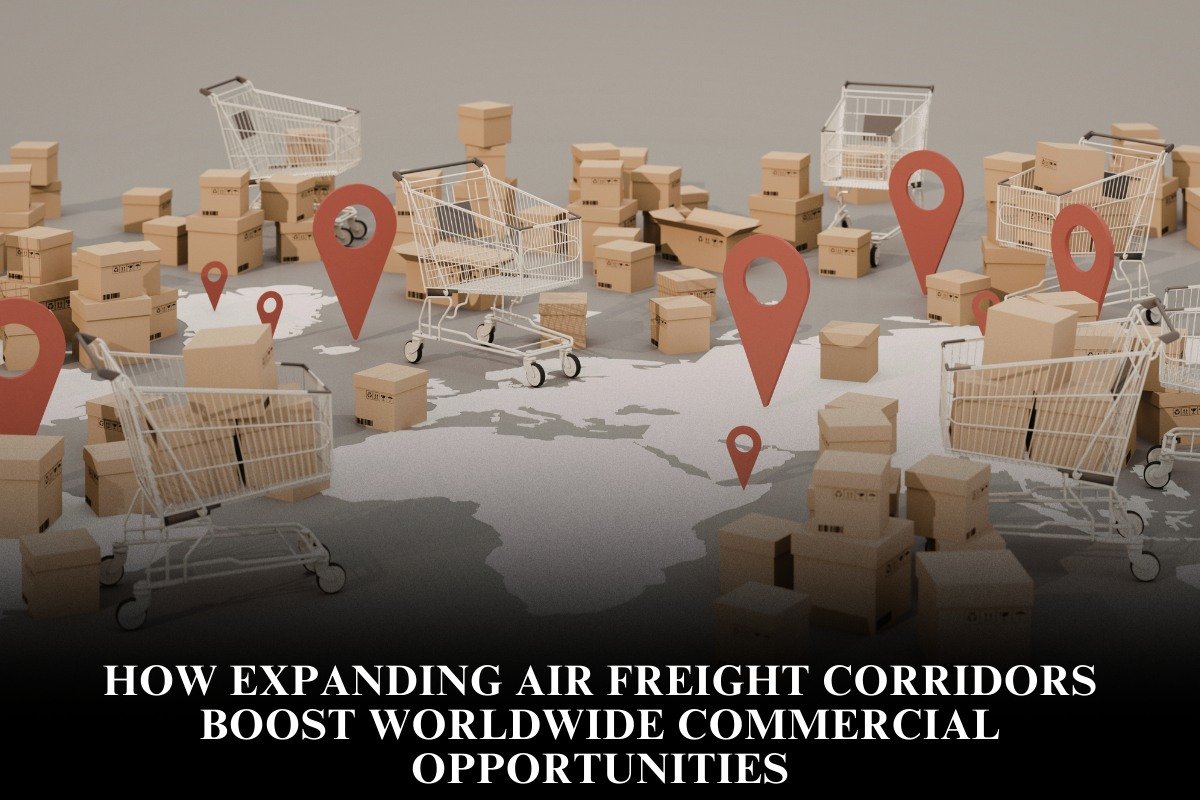
International trade volumes are expanding at an unprecedented pace, driven by globalization, e-commerce growth, nearshoring strategies, and rising consumer expectations for faster delivery. As supply chains stretch across continents, air freight has become an essential enabler of speed, reliability, and flexibility.
However, rising trade volumes also create pressure on capacity, costs, and operational efficiency. To meet these demands, the logistics industry is increasingly adopting scalable air freight solutions that can grow, adapt, and optimize performance without compromising service quality. This article explores how scalable air freight models are supporting global trade efficiently and sustainably.
Why Scalability Matters in Air Freight
Scalability in air freight refers to the ability to increase or decrease capacity, routes, services, and operational resources in response to fluctuating trade volumes. Unlike static logistics models, scalable systems allow shippers and logistics providers to respond quickly to market shifts, seasonal peaks, and unexpected disruptions.
International trade is no longer predictable. Demand spikes driven by online sales campaigns, geopolitical events, or supply chain disruptions require logistics solutions that can expand rapidly. Scalable air freight enables businesses to maintain continuity, reduce bottlenecks, and protect revenue even during periods of volatility.
Flexible Capacity Management Models
One of the most important scalable solutions in air freight is flexible capacity management. Airlines and freight forwarders increasingly rely on a mix of dedicated freighters, belly cargo in passenger aircraft, charter services, and block-space agreements.
By combining these options, logistics providers can scale capacity up during peak seasons such as holidays or major sales events and scale down during slower periods. Charter aircraft, in particular, provide an on-demand solution for urgent or oversized shipments, while block-space agreements allow shippers to secure guaranteed capacity without owning assets.
This layered approach minimizes unused space, controls costs, and ensures capacity availability across global trade lanes.
Digital Freight Platforms and Automation
Digitalization plays a central role in scalable air freight operations. Cloud-based freight platforms enable real-time booking, pricing, tracking, and documentation, allowing logistics networks to grow without a proportional increase in administrative workload.
Automation in booking systems, customs documentation, and warehouse handling reduces manual intervention and processing time. As shipment volumes increase, digital platforms scale seamlessly by processing thousands of transactions simultaneously, improving speed and accuracy.
Advanced analytics further enhance scalability by forecasting demand, optimizing route planning, and identifying capacity gaps before they disrupt operations.
Multi-Hub and Network Optimization Strategies
Scalable air freight solutions increasingly rely on multi-hub network models rather than single centralized gateways. By distributing cargo through multiple regional hubs, logistics providers can reduce congestion, shorten transit times, and improve resilience.
For growing international trade, this approach allows capacity to be added incrementally at different nodes rather than expanding one overstretched hub. It also enables faster connections between emerging markets and established trade corridors, supporting diversified sourcing and distribution strategies.
Network optimization software helps operators dynamically reroute cargo based on demand, weather conditions, and airport capacity, ensuring efficient use of resources as volumes grow.
Integration with Multimodal Logistics
Air freight scalability is strongest when integrated into multimodal supply chains. By combining air transport with road, rail, and sea freight, logistics providers can design flexible end-to-end solutions that balance speed and cost.
For example, air freight may be used for long-haul international segments, while rail or road handles regional distribution. As trade volumes increase, this modular structure allows companies to add or adjust individual legs of the journey without redesigning the entire supply chain.
Multimodal integration also improves sustainability by reserving air freight for high-value or time-critical goods while shifting lower-priority cargo to greener transport modes.
Technology-Driven Cargo Handling and Warehousing
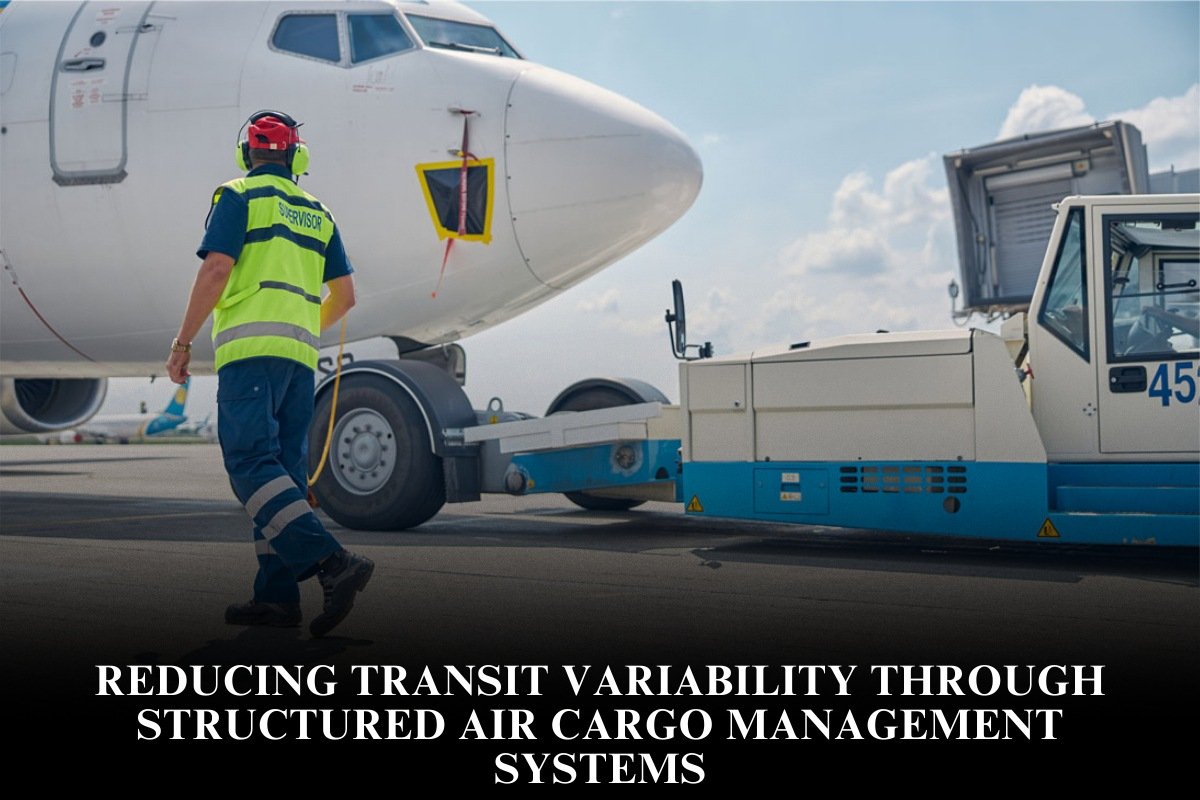
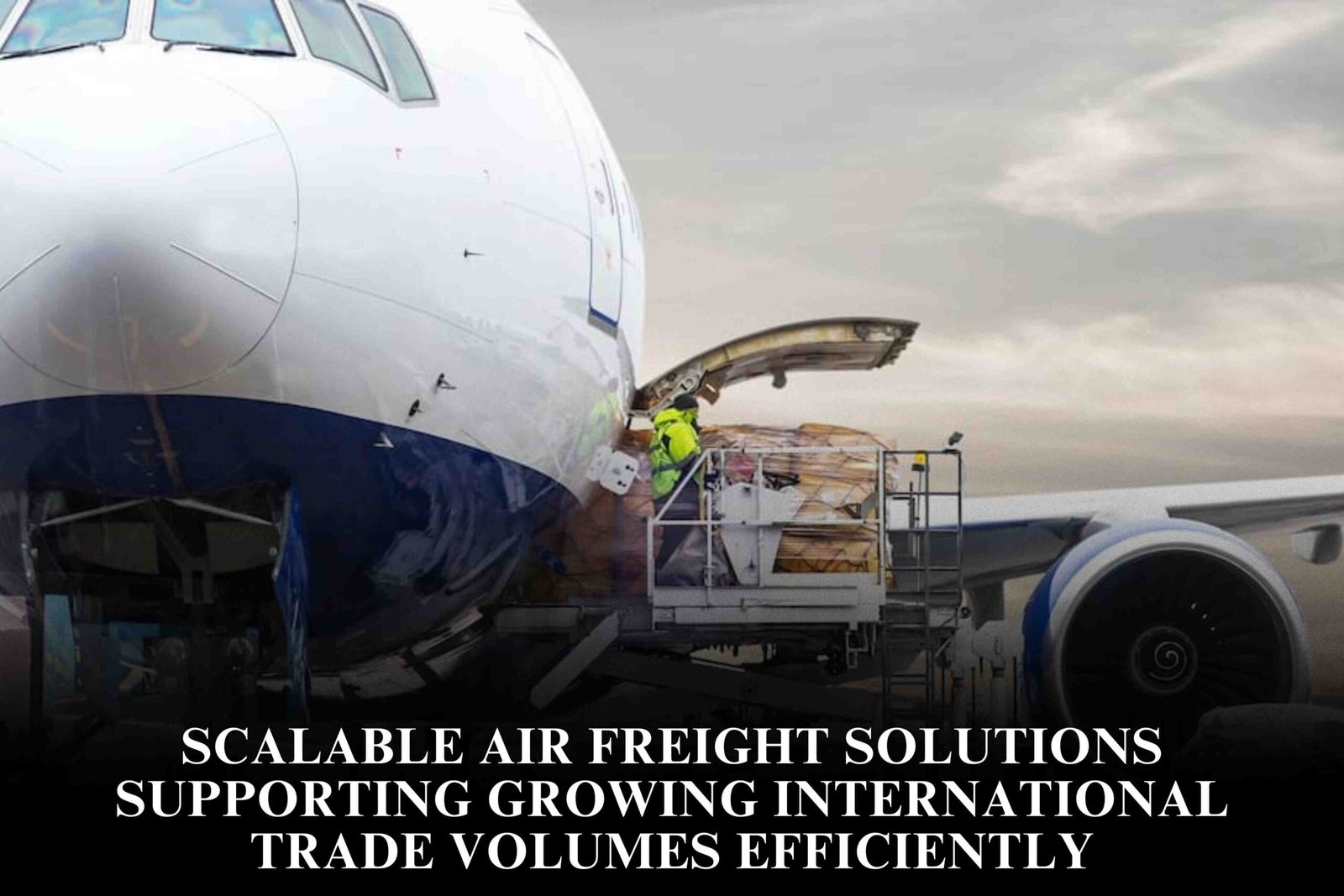
Scalable air freight depends on efficient ground operations. Automated cargo terminals, robotic handling systems, and smart warehouses allow airports to process higher volumes without expanding physical footprints.
Technologies such as RFID tagging, IoT sensors, and AI-driven sorting systems improve visibility and throughput, enabling facilities to handle surges in international trade with minimal delays. As volumes grow, these systems scale through software upgrades and process optimization rather than costly infrastructure expansion.
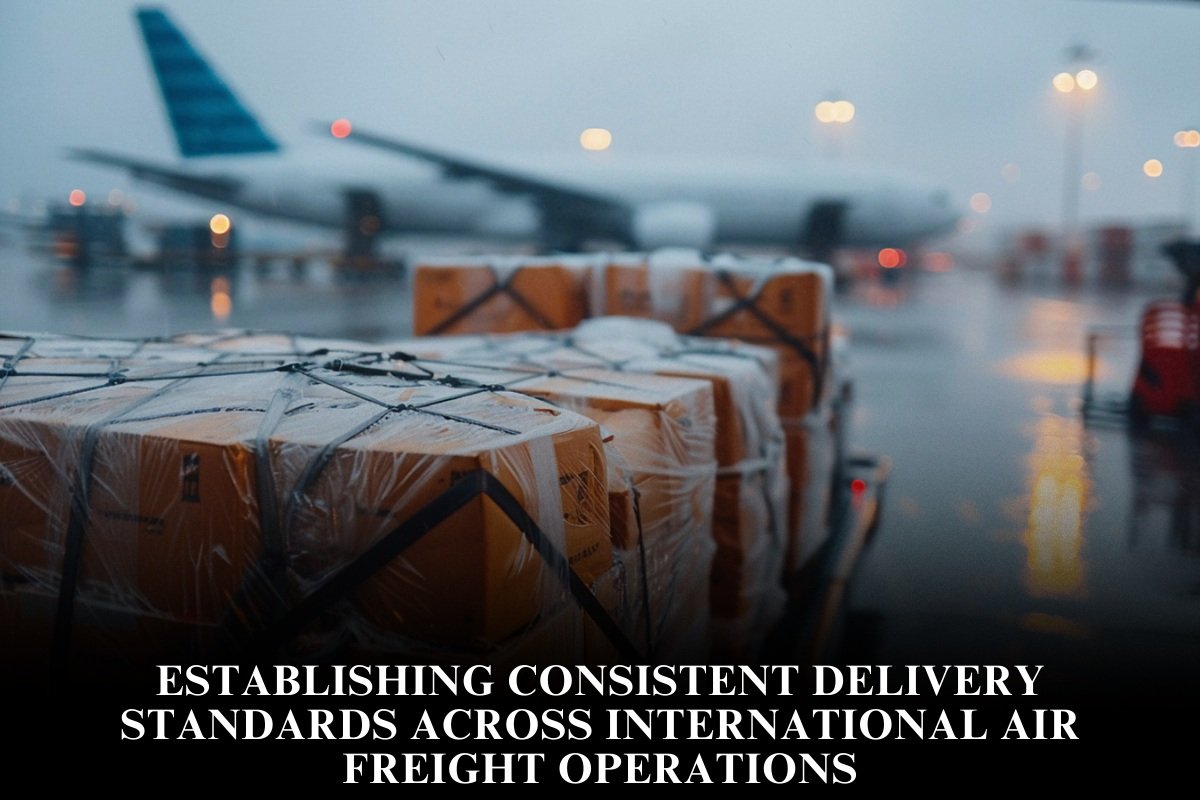
This approach reduces congestion, improves security, and ensures consistent service levels even during peak demand periods.
Sustainability as a Scalable Strategy
Sustainability is no longer separate from scalability. Fuel-efficient aircraft, sustainable aviation fuels, and optimized flight planning reduce emissions per unit of cargo, making it possible to grow volumes responsibly.
As international trade expands, regulatory and customer pressure for greener logistics will intensify. Scalable air freight solutions increasingly incorporate carbon tracking, emissions reporting, and offset programs that grow alongside shipment volumes.
By embedding sustainability into scalable models, logistics providers future-proof their operations while supporting global trade growth responsibly.
Risk Management and Resilience
Scalable air freight solutions also strengthen supply chain resilience. Diversified carrier partnerships, alternative routing options, and digital visibility tools reduce dependency on single points of failure.
When trade volumes increase rapidly or disruptions occur, scalable systems allow logistics networks to reconfigure quickly. This agility is critical in an era of geopolitical uncertainty, climate-related disruptions, and fluctuating trade policies.
Resilient scalability ensures that international trade flows continue even under stress, protecting both shippers and end consumers.
The Future of Scalable Air Freight
As international trade volumes continue to rise, scalable air freight will remain a strategic necessity rather than a competitive advantage. The future will likely see deeper integration of AI, predictive analytics, autonomous ground handling, and collaborative digital ecosystems connecting airlines, forwarders, airports, and customs authorities.
Scalability will increasingly be measured not only by capacity but by speed of adaptation, transparency, sustainability, and cost efficiency. Companies that invest early in scalable air freight solutions will be best positioned to support long-term global trade growth.
Frequently Asked Questions (FAQs)
Q. What are scalable air freight solutions?
Scalable air freight solutions are logistics models that can expand or contract capacity, routes, and services efficiently in response to changing international trade volumes.