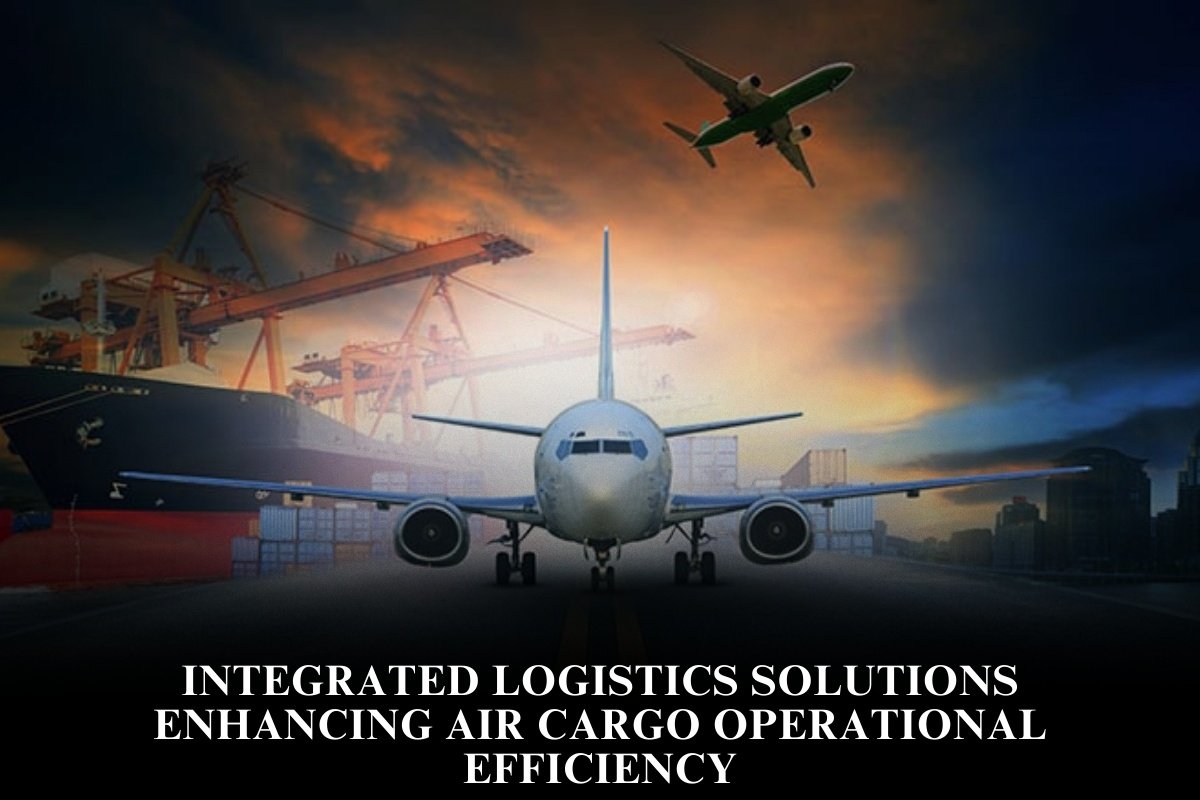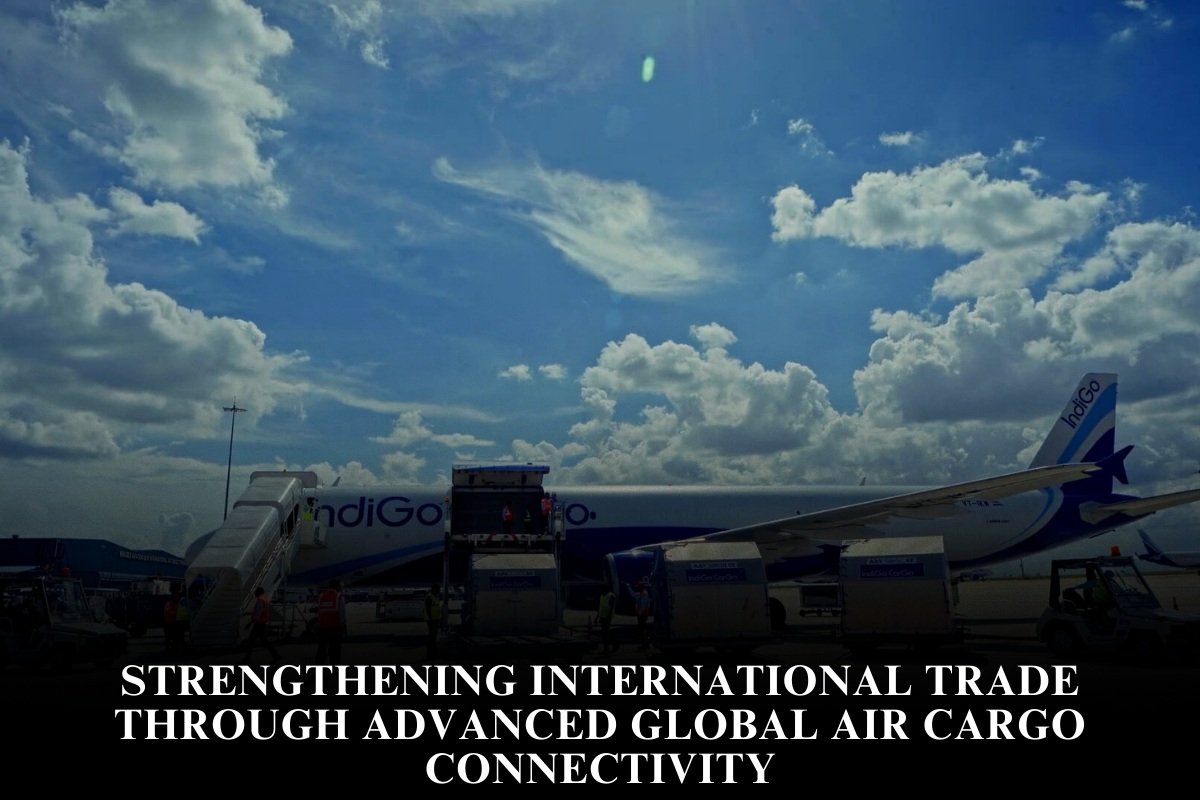
International trade depends on speed, reliability, and access to markets across borders. In this environment, advanced global air cargo connectivity has become a critical driver of economic growth and commercial expansion.
While sea and land freight remain essential for bulk transport, air cargo plays a unique role in moving high-value, time-sensitive, and perishable goods quickly between countries.
As global supply chains become more complex, stronger air cargo networks help businesses reduce delays, improve inventory management, and expand international reach. For exporters, importers, manufacturers, and logistics providers, advanced air cargo connectivity is no longer simply a transport advantage. It is a strategic necessity.
The Importance of Air Cargo in International Trade
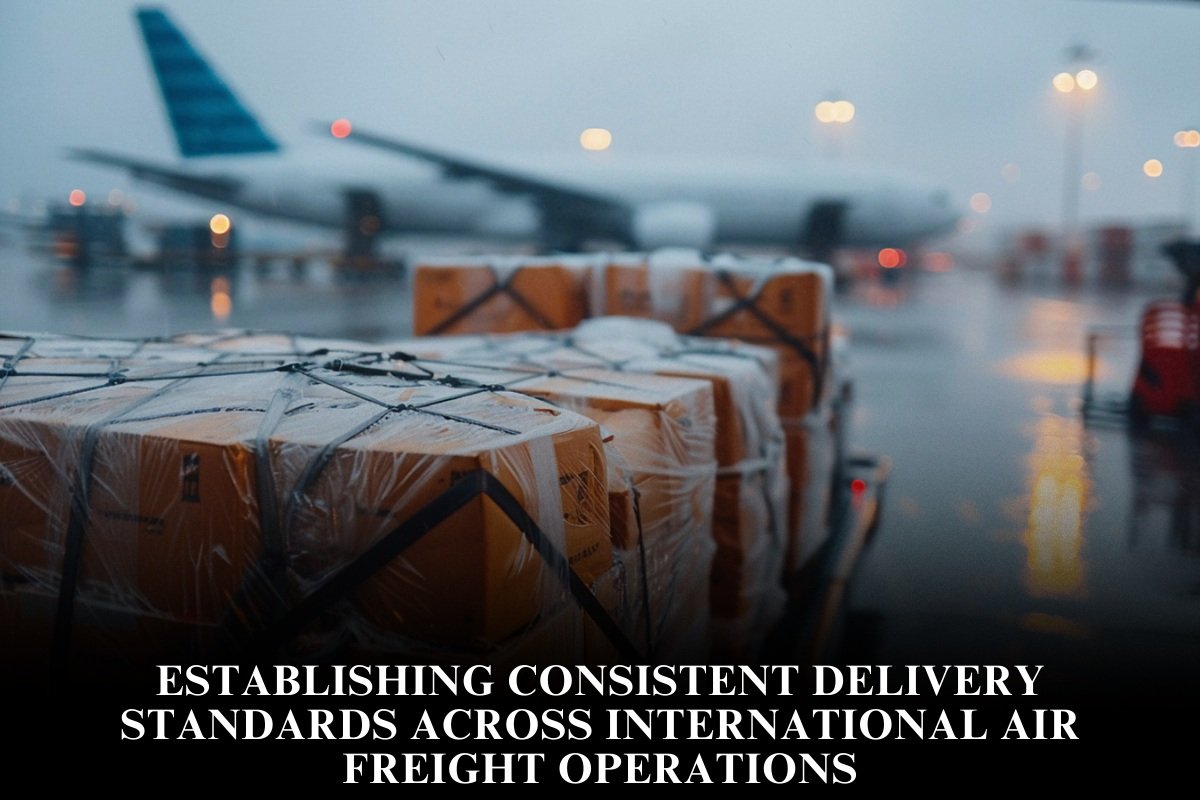
Air cargo supports industries that rely on fast and dependable delivery. Electronics, pharmaceuticals, medical equipment, fashion products, fresh food, and critical industrial components often require shorter transit times than other shipping methods can provide.
In many cases, delays can lead to financial loss, reduced product quality, or supply chain disruption. Air cargo connectivity addresses these challenges by linking production centers, airports, distribution hubs, and consumer markets through efficient transportation routes.
Strong global air cargo systems also improve trade accessibility for countries and businesses that want to participate more actively in international markets. When airports, customs systems, logistics technology, and freight networks are well connected, businesses can move goods more confidently and respond faster to changing market demand. This makes air cargo a major contributor to both trade competitiveness and economic resilience.
How Advanced Connectivity Improves Trade Performance
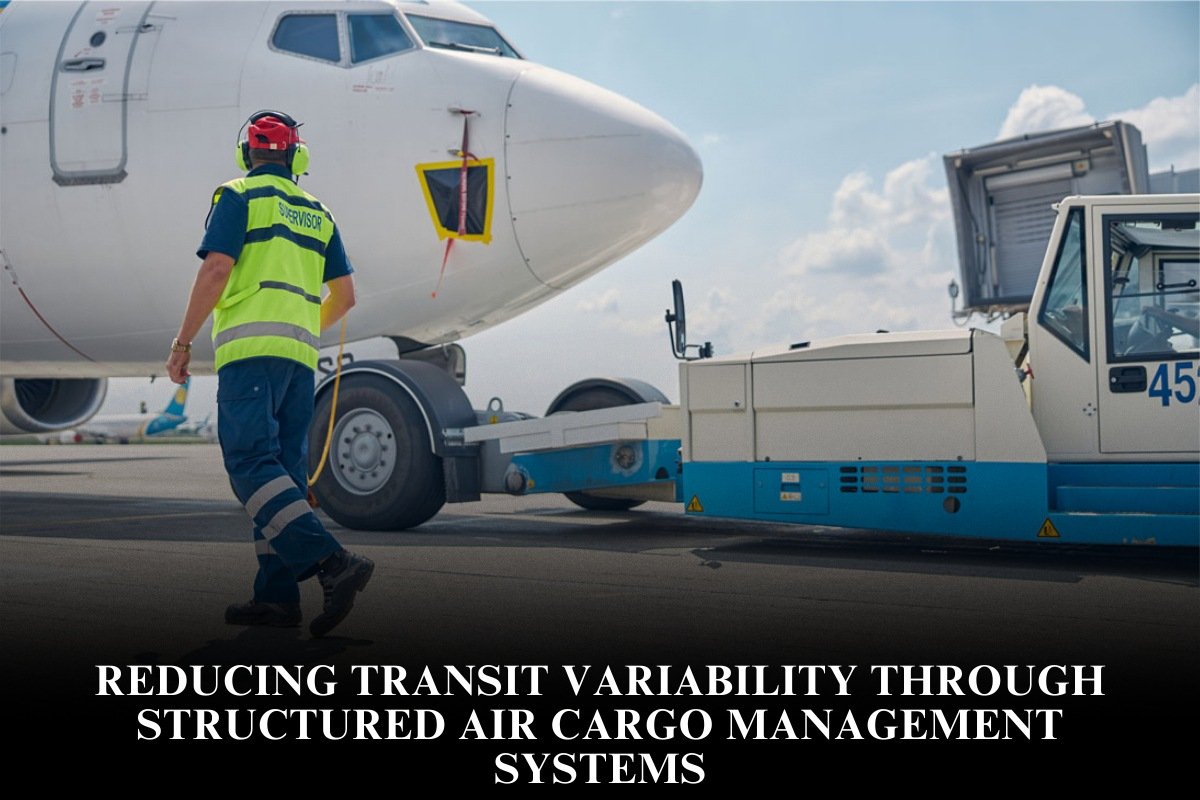
Advanced global air cargo connectivity goes beyond simply having more flights. It includes integrated logistics infrastructure, digital tracking systems, customs coordination, cargo handling efficiency, and multimodal transport links. These elements work together to improve the speed and reliability of cross-border trade.
| Connectivity Factor | Trade Benefit |
|---|---|
| Expanded cargo routes | Increases access to international markets |
| Faster transit times | Supports time-sensitive shipments |
| Digital tracking systems | Improves shipment visibility and planning |
| Efficient customs coordination | Reduces border delays and clearance issues |
| Modern cargo handling facilities | Protects goods and improves turnaround time |
When these systems function effectively, trade becomes more predictable, which is essential for businesses operating in competitive global markets.
Benefits for Businesses and Economies
Advanced air cargo connectivity creates direct and indirect benefits across the trade ecosystem. Businesses gain faster access to customers, lower risk of supply interruptions, and greater flexibility in responding to demand. At the national level, countries with strong cargo connectivity often attract more foreign investment, strengthen exports, and improve their position in international supply chains.
Key benefits include:
- Faster movement of high-value and urgent goods
- Better support for perishable and temperature-sensitive products
- Improved supply chain reliability and responsiveness
- Greater access to global markets for exporters
- Increased trade competitiveness and economic integration
- Stronger connections between production centers and consumers
These advantages make air cargo especially valuable in sectors where timing and product condition are critical.
Industries That Depend on Air Cargo Connectivity
Not all industries rely on air cargo in the same way, but several sectors depend heavily on advanced international connectivity to maintain efficiency and customer satisfaction.
| Industry | Why Air Cargo Matters |
|---|---|
| Pharmaceuticals | Requires secure and fast transport for sensitive products |
| Electronics | Supports rapid delivery of high-value components and devices |
| Agriculture and food | Helps move fresh produce, seafood, and flowers quickly |
| Fashion and retail | Enables fast response to seasonal and market demand |
| Manufacturing | Delivers urgent parts needed to avoid production delays |
These industries benefit from reduced transit times, improved product integrity, and more efficient access to international buyers.
Challenges to Effective Air Cargo Connectivity
Despite its advantages, air cargo connectivity also faces several challenges. Infrastructure limitations, congested airports, inconsistent customs procedures, high operating costs, and regulatory differences can reduce efficiency. In some regions, weak transport links between airports and inland distribution networks also limit the full value of air cargo services.
To strengthen trade through air cargo, stakeholders should focus on:
- Investing in airport cargo infrastructure
- Improving customs modernization and digital documentation
- Expanding cold-chain and secure handling capabilities
- Enhancing coordination between airlines, freight forwarders, and border agencies
- Strengthening road, rail, and warehouse connections to airports
These improvements help create a more seamless trade environment and increase the effectiveness of global cargo operations.
The Future of Trade and Air Cargo Connectivity
As international trade continues to evolve, advanced air cargo connectivity will become even more important. E-commerce growth, demand for faster delivery, globalized production, and the movement of specialized goods all increase reliance on air freight systems.
Businesses are expected to seek logistics networks that offer real-time visibility, reliable timing, and stronger global reach. For governments and industry leaders, investing in air cargo connectivity means investing in long-term trade capacity and economic competitiveness.
FAQs
What is global air cargo connectivity?
Global air cargo connectivity refers to the network of air freight routes, cargo facilities, logistics systems, and customs processes that allow goods to move efficiently between countries.
Why is air cargo important for international trade?
Air cargo is important because it provides fast and reliable transportation for high-value, urgent, perishable, and time-sensitive goods across global markets.
Which industries benefit most from air cargo connectivity?
Industries such as pharmaceuticals, electronics, agriculture, fashion, and manufacturing benefit greatly because they often require quick and secure delivery.
How does air cargo improve supply chains?
Air cargo improves supply chains by reducing transit times, increasing shipment reliability, supporting better inventory control, and helping businesses respond quickly to demand changes.
What limits effective air cargo connectivity?
Common limitations include airport congestion, infrastructure gaps, high operating costs, customs delays, and weak coordination between transport and logistics systems.