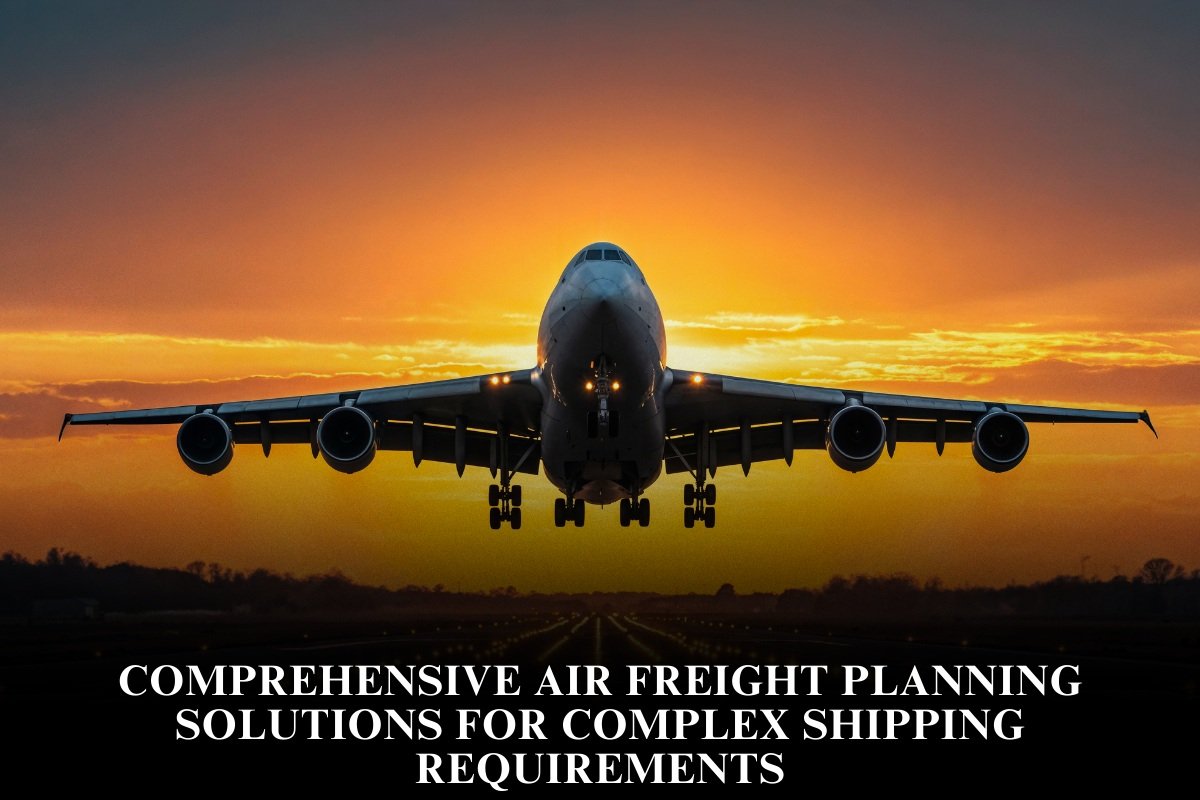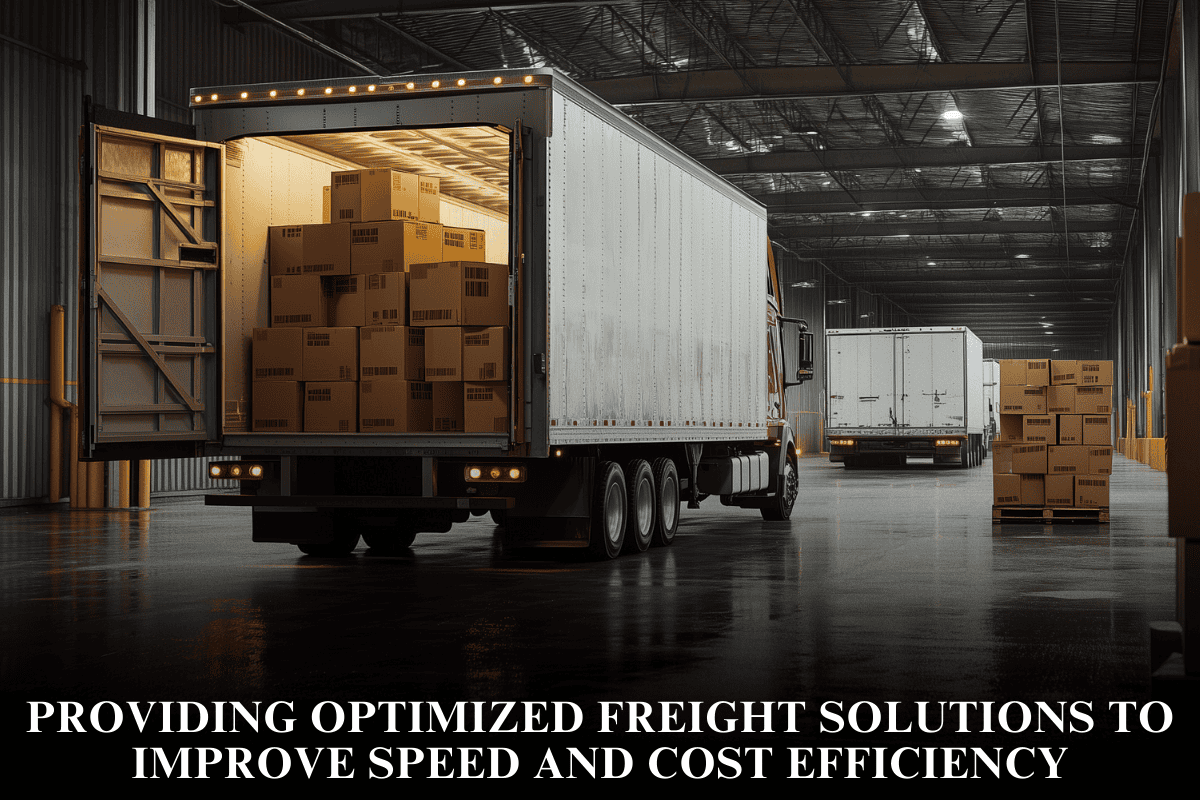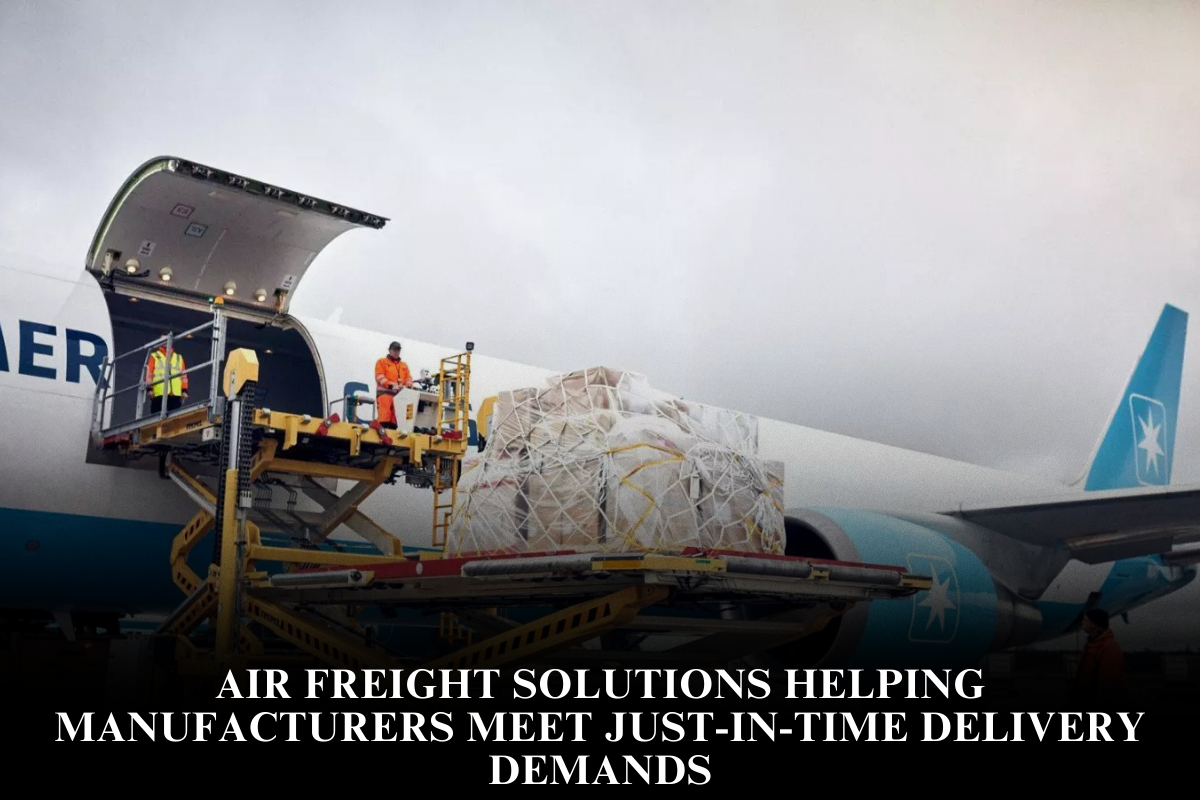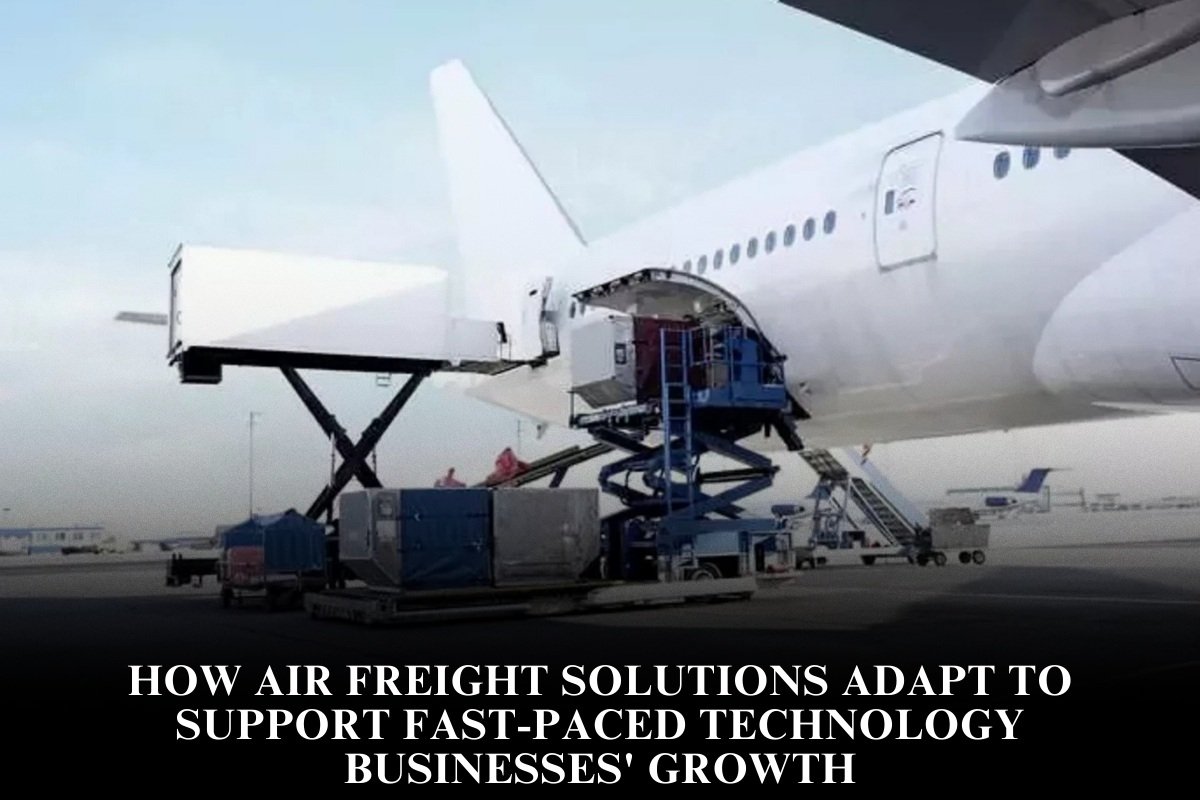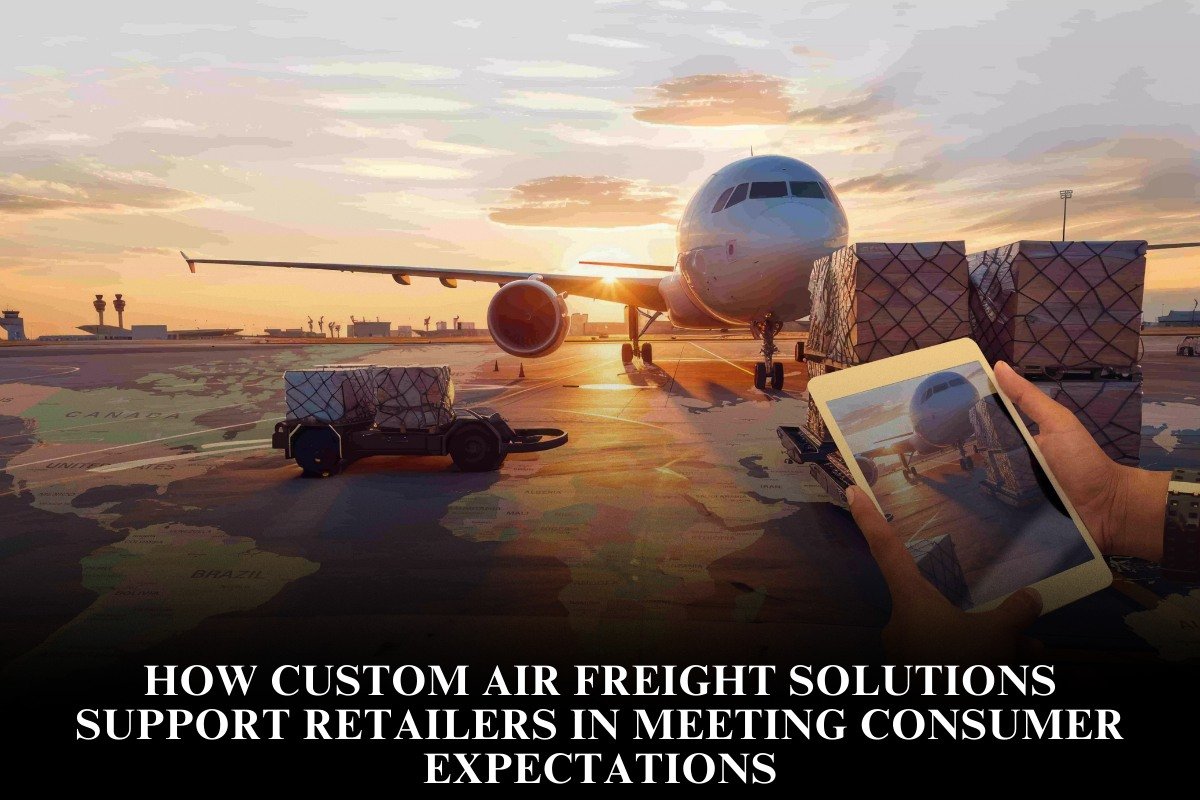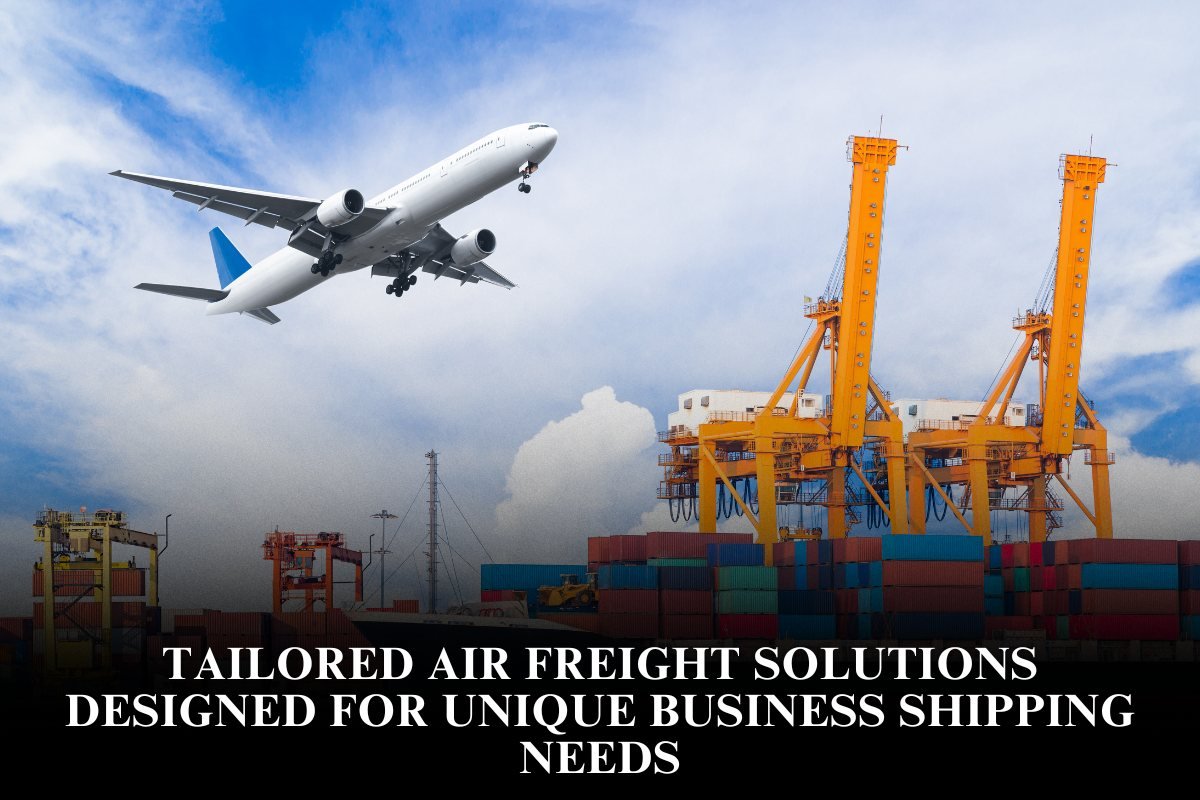
Tailored air freight solutions customize logistics to match specific business requirements, from perishables needing cold chains to oversized machinery demanding charters.
These services integrate technology and expertise to optimize speed, cost, and reliability for industries like pharmaceuticals, e-commerce, and manufacturing. Businesses achieve up to 30% efficiency gains by aligning shipments with unique supply chain demands.
Understanding Unique Shipping Challenges
Businesses face diverse needs: pharmaceuticals require temperature control at 2-8°C, electronics demand anti-static handling, and fashion needs rapid delivery for seasonal trends.
High-value goods like semiconductors risk damage from vibrations, while urgent spares halt production lines if delayed. Tailored solutions address volume fluctuations, regulatory compliance across borders, and peak-season surges through flexible routing and dedicated handling.
Types of Customized Air Freight Services
Providers offer specialized options to fit every scenario.
- Express Air Freight: Door-to-door for time-critical items, with 24-48 hour global delivery via passenger belly cargo.
- Sea-Air Hybrids: Combines ocean economics with air speed, ideal for delayed shipments or cost-sensitive bulk via hubs like Dubai.
- Charter Flights: Full or part charters for oversized cargo over 100 tonnes, bypassing schedules for oil & gas or emergency response.
- Consolidation (LCL): Groups smaller shipments to cut costs for SMEs, with deconsolidation at destination warehouses.
- Special Handling: Dangerous goods (Class 9 DG), perishables with reefer units, or valuables with security escorts.
These match needs like automotive parts rushes or mining equipment deployments.
Key Components of Tailored Solutions
Customization starts with assessment: forwarders analyze cargo type, value, urgency, and routes to propose optimal carriers. End-to-end services include pickup, packaging, customs pre-clearance, real-time IoT tracking, and last-mile delivery.
Platforms like BLU4U provide visibility, while SAF (Sustainable Aviation Fuel) options reduce emissions for eco-conscious firms. In India, providers leverage Mumbai and Delhi hubs for seamless Asia-Europe flows.
Technology Driving Personalization
AI algorithms predict delays, optimize loads, and suggest hybrids based on weather and capacity. RFID and GPS enable granular tracking—temperature, humidity, location—for pharma compliance. Digital twins simulate routes, while blockchain streamlines docs like AWB and invoices, cutting clearance by 50%. For e-commerce, APIs integrate with ERP systems for automated booking and inventory sync.
Industry-Specific Case Studies
These examples show ROI through minimized downtime and inventory costs.
Cost Optimization Strategies
Tailored plans balance premium speeds with savings: consolidate for 20-30% lower rates, use secondary airports to avoid congestion, and hedge fuel via alliances. Payback comes fast—urgent charters recover via avoided production losses exceeding $10,000/hour. Forwarders negotiate carrier deals, offering total landed costs upfront.
Partnering with Expert Providers
Select IATA-certified firms like Maersk, DHL, or Bertling for 24/7 support, global networks, and insurance. In India, local players like SJ Logistics excel in multimodal from Chennai to global hubs. Evaluate via KPIs: on-time rates >95%, damage <0.1%, and transparent pricing.
Sustainability in Customized Freight
Green options like SAF cut CO₂ by 80%, route optimization saves fuel, and carbon trackers quantify impacts. Businesses meet ESG goals while maintaining efficiency, with compensation for residuals.
FAQs
Q1: What makes air freight solutions ‘tailored’?
A: They customize based on cargo type, urgency, and compliance, using charters or hybrids for unique needs.
Q2: How do sea-air solutions benefit businesses?
A: They blend air speed with ocean costs, reducing transit by 50% and storage via hubs like Singapore.
Q3: Can SMEs afford customized air freight?
A: Yes, via consolidation and digital platforms, saving 20-40% over standard rates.
Q4: What technologies ensure shipment visibility?
A: IoT, GPS, AI analytics for real-time data on location, condition, and ETAs.
Q5: How to choose a provider for special cargo?
A: Look for IATA certification, industry experience, and end-to-end services like customs and tracking.