In today’s interconnected economy, brands are no longer confined to local or regional markets. Global expansion has become a strategic priority for companies seeking growth, competitive advantage, and diversified revenue streams. Among the various logistics solutions available, air freight plays a critical role in enabling brands to reach international markets quickly, reliably, and efficiently.
As consumer expectations for fast delivery continue to rise, air freight has evolved from a premium shipping option into a strategic tool for global brand expansion. This article explores how air freight empowers brands to expand their global market reach and maintain a competitive edge.
Understanding Air Freight in Global Commerce
Air freight refers to the transportation of goods by aircraft, enabling fast cross-border movement of cargo. While typically more expensive than sea or land transport, air freight offers unmatched speed, security, and reliability.
Key Characteristics of Air Freight
- Rapid international transit times
- High level of cargo security
- Global connectivity through extensive airline networks
- Ideal for high-value and time-sensitive goods
- Reduced inventory holding costs
For brands entering new markets, speed and reliability are essential factors in building customer trust and brand reputation.
How Air Freight Expands Global Market Reach
Air freight supports global expansion by eliminating geographical barriers and accelerating time-to-market.
1. Faster Market Entry
Speed is a critical factor when launching products in international markets. Air freight allows brands to:
- Introduce products simultaneously across multiple countries
- Respond quickly to seasonal demand
- Capitalize on emerging trends
- Reduce lead times for international distribution
Faster delivery strengthens brand positioning and enhances customer satisfaction.
2. Access to Emerging Markets
Many emerging markets lack advanced seaport infrastructure but maintain functional international airports. Air freight enables brands to:
- Reach remote or landlocked countries
- Expand into fast-growing economies
- Serve niche markets with specialized products
This flexibility broadens the global footprint of brands seeking international growth.
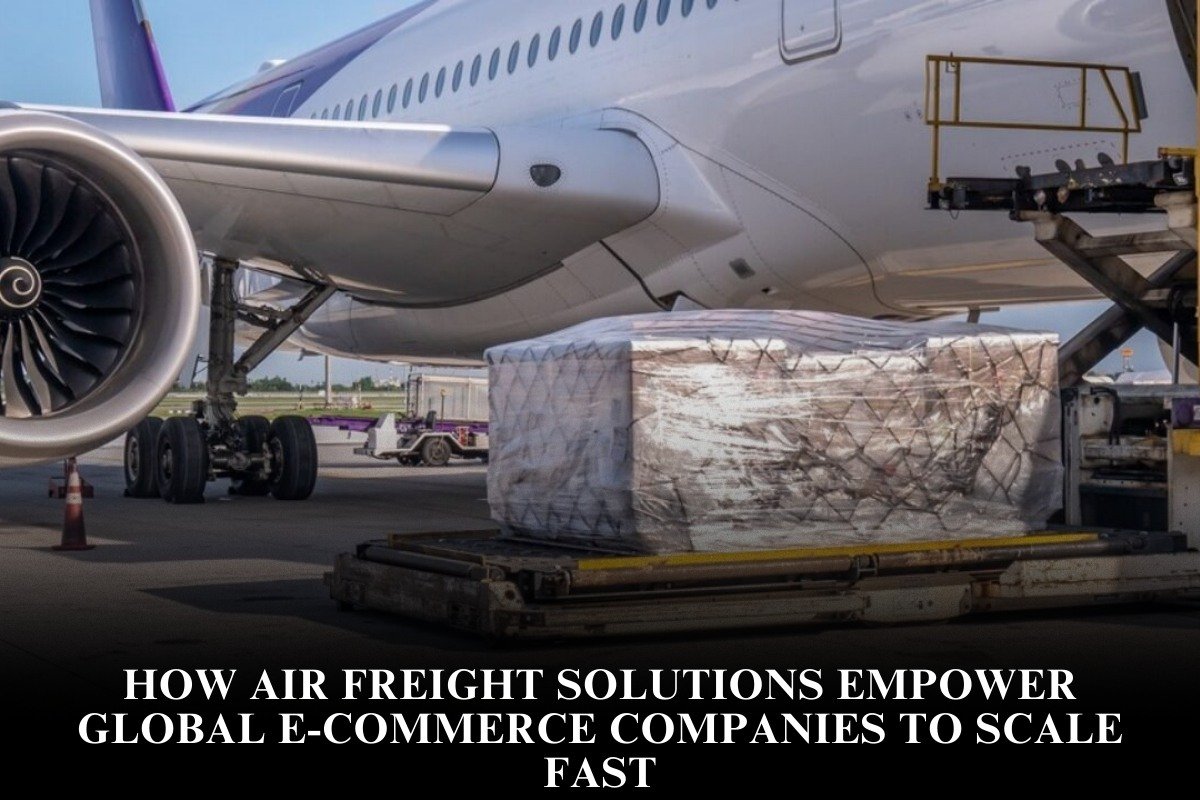
3. Supporting E-Commerce Growth
The rapid growth of cross-border e-commerce has significantly increased reliance on air freight. Consumers expect fast shipping regardless of location.
| E-Commerce Demand Factor | Role of Air Freight |
|---|---|
| Fast Delivery Expectations | Enables 1–5 day international shipping |
| Global Online Sales | Facilitates cross-border order fulfillment |
| Product Launch Speed | Supports quick international rollouts |
| Returns Management | Allows efficient reverse logistics |
Air freight helps brands meet modern consumer expectations for speed and reliability.
Enhancing Brand Reputation Through Reliability
Brand perception is closely tied to delivery performance. Delays, damaged goods, or inconsistent supply can harm a company’s reputation.
Advantages for Brand Credibility
- Reliable transit schedules
- Lower risk of cargo damage
- Enhanced shipment tracking
- Improved customer satisfaction
Real-time tracking systems allow brands to provide accurate delivery updates, increasing transparency and trust.
Inventory Optimization and Cost Efficiency
Although air freight costs more per shipment than sea transport, it can reduce overall operational expenses.
How Air Freight Improves Inventory Management
- Reduces need for large inventory storage
- Minimizes warehousing costs
- Enables just-in-time inventory strategies
- Lowers risk of product obsolescence
By shortening supply chains, brands can operate leaner inventory models while maintaining product availability in global markets.
Air Freight for High-Value and Time-Sensitive Products
Certain industries rely heavily on air freight due to the nature of their products.
Industries Benefiting from Air Freight
- Pharmaceuticals and medical supplies
- Consumer electronics
- Fashion and luxury goods
- Automotive spare parts
- Perishable food products
For these industries, delayed delivery can result in financial loss, reputational damage, or regulatory complications. Air freight mitigates these risks through speed and secure handling.
Risk Mitigation in Global Expansion
Expanding internationally introduces logistical challenges, including customs delays, geopolitical risks, and supply chain disruptions.
Risk Management Strategies
- Partner with experienced freight forwarders
- Ensure compliance with international regulations
- Use cargo insurance coverage
- Diversify logistics routes and carriers
- Utilize advanced tracking technologies
Air freight’s shorter transit time reduces exposure to many supply chain risks compared to slower transportation methods.
Technology Driving Air Freight Efficiency
Technological advancements have significantly improved the efficiency of air freight operations.
Key Technological Innovations
- Electronic documentation systems
- Automated customs clearance platforms
- Real-time cargo tracking
- Data analytics for route optimization
- Blockchain for shipment transparency
These technologies streamline cross-border processes, reduce errors, and accelerate international distribution.
Competitive Advantage Through Speed
In global markets, speed often defines success. Brands that deliver faster can outperform competitors, particularly in industries driven by trends or innovation.
| Competitive Factor | Impact of Air Freight |
|---|---|
| Time-to-Market | Shortens product launch cycles |
| Customer Satisfaction | Increases loyalty and repeat purchases |
| Supply Chain Agility | Enables rapid demand response |
| Market Responsiveness | Adapts quickly to regional trends |
Air freight empowers brands to stay agile in dynamic global markets.
Sustainability Considerations
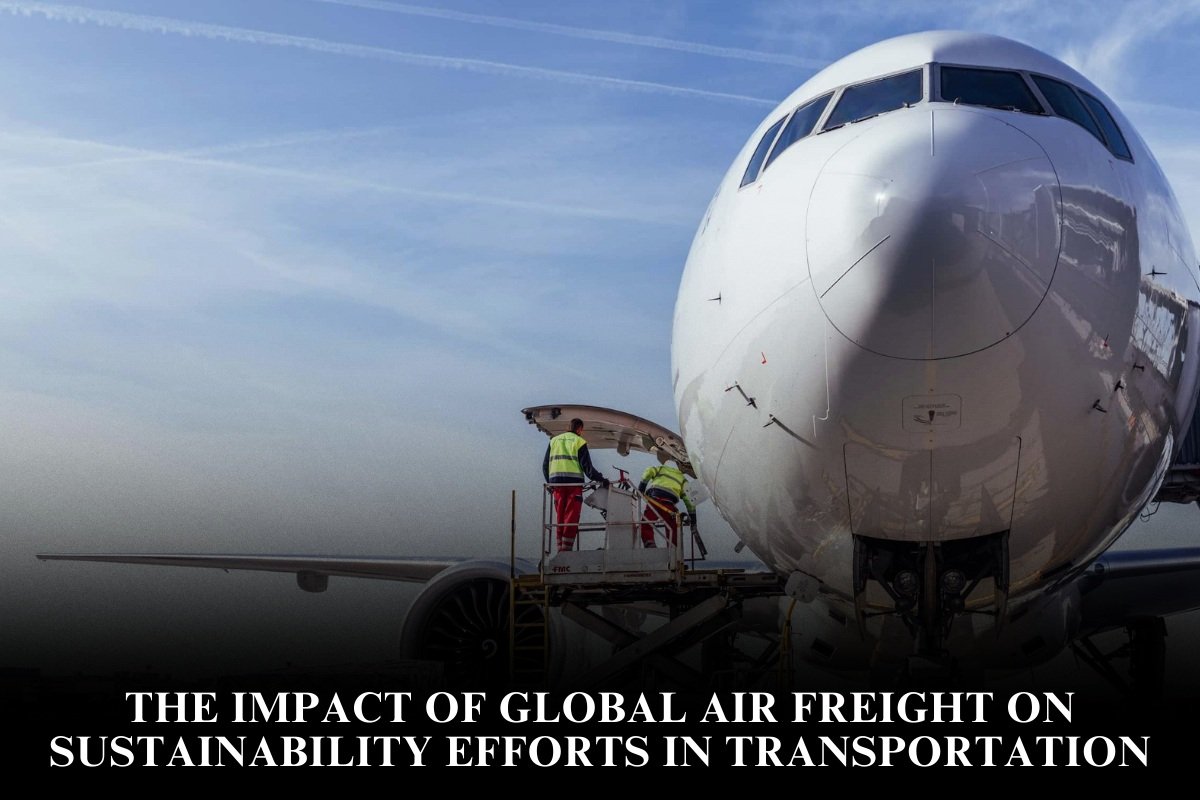
While air freight has a larger carbon footprint compared to sea freight, many logistics providers are adopting sustainability initiatives.
Sustainable Practices in Air Freight
- Fuel-efficient aircraft technologies
- Carbon offset programs
- Route optimization for fuel reduction
- Sustainable aviation fuel (SAF) adoption
Brands committed to sustainability can collaborate with environmentally responsible logistics partners to balance speed and environmental impact.
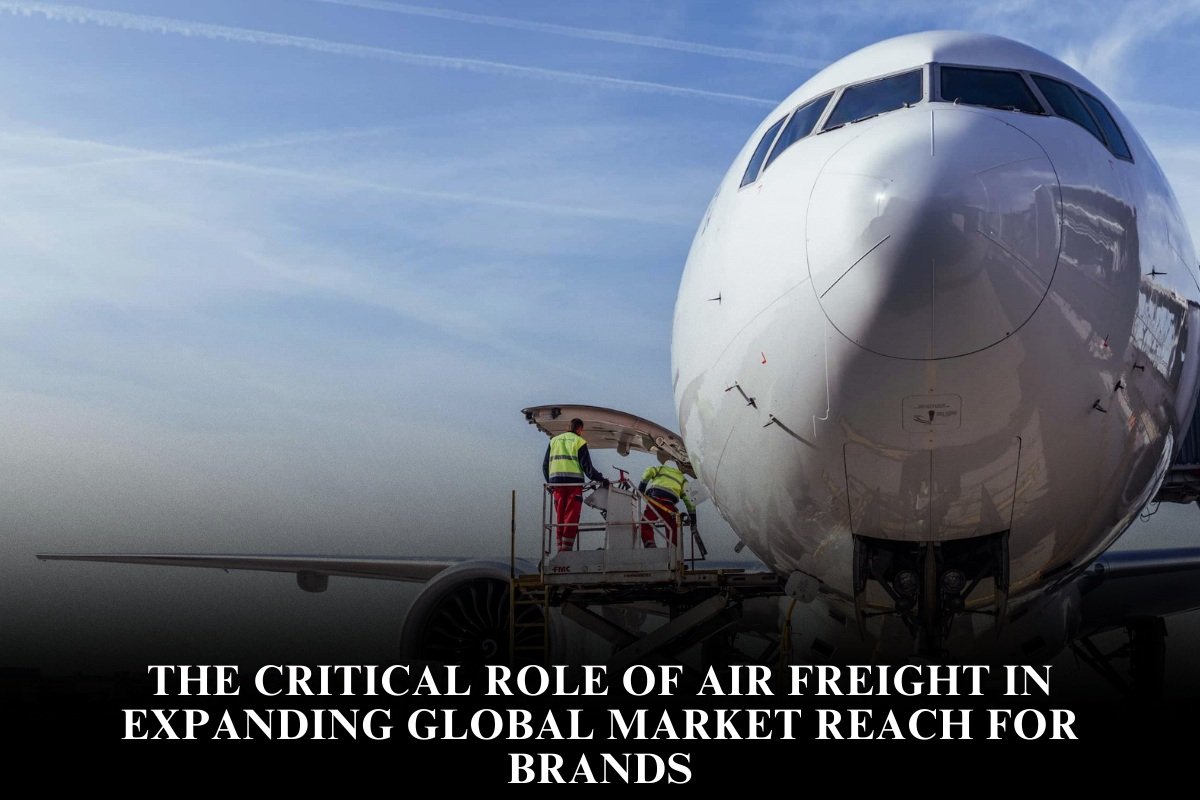
Air freight plays a critical role in expanding global market reach for brands. By enabling faster market entry, supporting cross-border e-commerce, optimizing inventory, and enhancing reliability, air freight serves as a strategic driver of international growth.
Although cost considerations remain important, the value of speed, efficiency, and brand reputation often outweighs the higher transportation expense. As global competition intensifies and consumer expectations continue to rise, air freight will remain an essential component of successful international expansion strategies.
FAQs
Q. Why is air freight important for global brand expansion?
Air freight enables rapid international distribution, helping brands enter new markets quickly and meet customer demand efficiently.
Q. Is air freight suitable for small businesses expanding globally?
Yes, especially for small businesses dealing with high-value or time-sensitive products where fast delivery is crucial for customer satisfaction.
Q. How does air freight support e-commerce brands?
Air freight allows quick cross-border order fulfillment, helping e-commerce brands meet fast shipping expectations worldwide.
Q. What industries rely most on air freight?
Industries such as pharmaceuticals, electronics, fashion, automotive parts, and perishables heavily rely on air freight for timely delivery.
Q. Does air freight improve supply chain reliability?
Yes, its speed, reduced handling, and advanced tracking systems significantly enhance supply chain reliability.