Global air freight plays a pivotal role in enabling time-sensitive industries by providing unmatched speed and reliability for transporting high-value, perishable, and urgent goods worldwide. The industry supports sectors like pharmaceuticals, electronics, perishables, and e-commerce, where delays can result in significant losses. As global trade expands, air freight’s influence continues to grow despite challenges like high costs and environmental concerns.
Market Overview
The global air freight market reached approximately USD 257-285 billion in recent years and is projected to expand to USD 500-700 billion by 2030-2033, growing at a CAGR of around 10%.
This surge stems from booming e-commerce, cross-border trade, and demand for rapid logistics in key regions like Asia-Pacific, which holds nearly 46% market share due to manufacturing hubs in China, India, and Southeast Asia. International shipments, particularly time-sensitive ones, drive the fastest growth, fueled by expanded routes and technologies like AI-optimized handling.
Key Industries Benefiting
Air freight revolutionizes pharmaceuticals by enabling swift delivery of vaccines, biologics, and temperature-sensitive drugs, often within days to maintain efficacy and comply with GDP standards. In electronics, it supports just-in-time manufacturing with rapid transport of components from Asia to North America and Europe, where India’s exports grew 40% year-on-year.
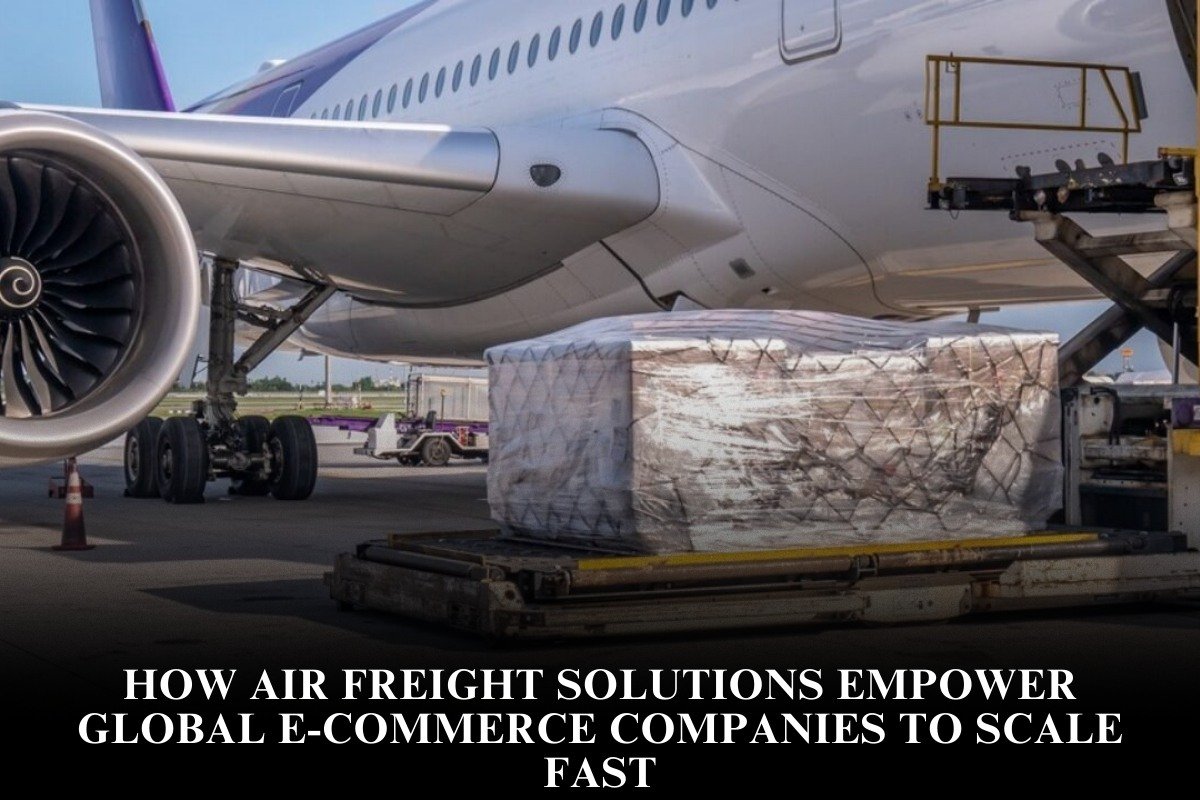
Perishables like flowers, seafood, and fresh produce rely on air cargo’s cold-chain capabilities to reach premium markets fresh, with Hyderabad Airport reporting 58% growth in this segment. E-commerce giants like Amazon and DHL leverage express air services for next-day global deliveries, boosting consumer satisfaction in fashion, luxury goods, and gadgets.
Economic and Supply Chain Impacts
Air freight enhances supply chain resilience amid disruptions like Red Sea rerouting, reducing lead times from weeks to days and minimizing inventory costs for JIT models.
It facilitates global trade by connecting distant markets, with Asia-Europe and Asia-North America corridors seeing 12-20% demand increases. For time-sensitive industries, this translates to higher efficiency, lower stockouts, and competitive edges—DHL’s air forwarding cut stock issues for one firm while a tech startup improved delivery times and market share.
Challenges Faced
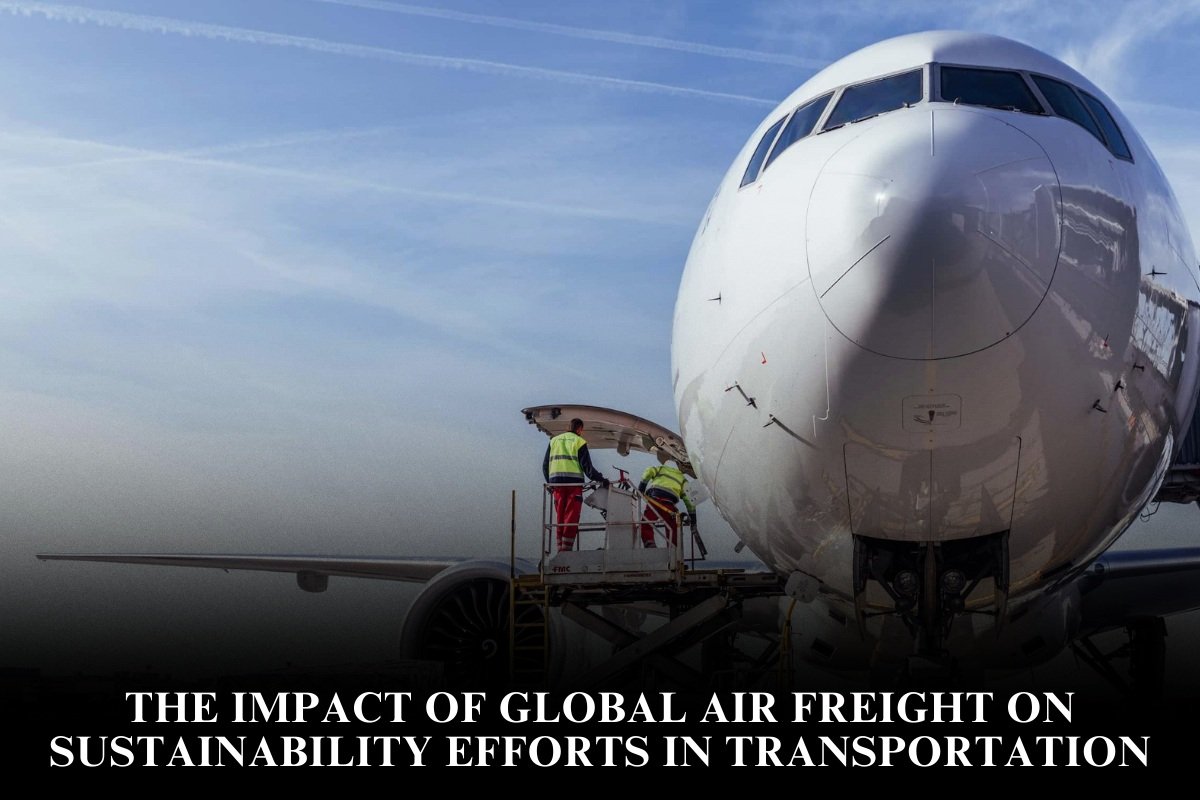
High costs, driven by fuel prices and airport fees, limit air freight to premium cargo, making it 4-5 times pricier than sea transport. Capacity constraints during peaks, exacerbated by passenger flight reductions and ICAO emissions rules, cause rate volatility and delays. Environmental impact is significant, with air freight emitting more CO2 per ton than alternatives, prompting regulatory pressures and calls for sustainable fuels. Security, compliance, and handling risks further complicate operations for perishables and pharma.
Future Trends
Technological advancements like AI for predictive analytics, blockchain tracking, and IoT monitoring will optimize routes, cut emissions, and boost efficiency. Sustainability efforts include sustainable aviation fuel (SAF) adoption and carbon offsets, aligning with net-zero goals.
E-commerce growth, especially cross-border, will sustain demand, with freighter expansions and multimodal sea-air hybrids addressing capacity. Asia-Pacific leads innovation, with India’s infrastructure push and China’s hubs driving 11-14% regional growth.
FAQs
Q. What drives the growth of the global air freight market?
E-commerce expansion, time-sensitive shipments for pharma and electronics, and supply chain disruptions like Red Sea issues propel growth at 10% CAGR, with Asia-Pacific leading due to trade hubs.
Q. How does air freight benefit the pharmaceutical industry?
It ensures rapid, temperature-controlled delivery of vaccines and biologics, reducing spoilage risks and meeting strict GDP/WHO regulations—Hyderabad Airport saw 13% pharma export growth.
Q. What are the main challenges for air freight in time-sensitive sectors?
High costs, capacity limits during peaks, and high CO2 emissions pose issues, though solutions like AI routing and SAF mitigate them.
Q. Which regions dominate air freight for perishables and electronics?
Asia-Pacific excels, with electronics exports up 40-53% in India and perishables at 58% in Hyderabad; global routes connect to Europe and North America.
Q. What future innovations will shape air freight?
AI, blockchain, and SAF will enhance tracking, efficiency, and sustainability, supporting e-commerce and resilient chains amid rising demand.