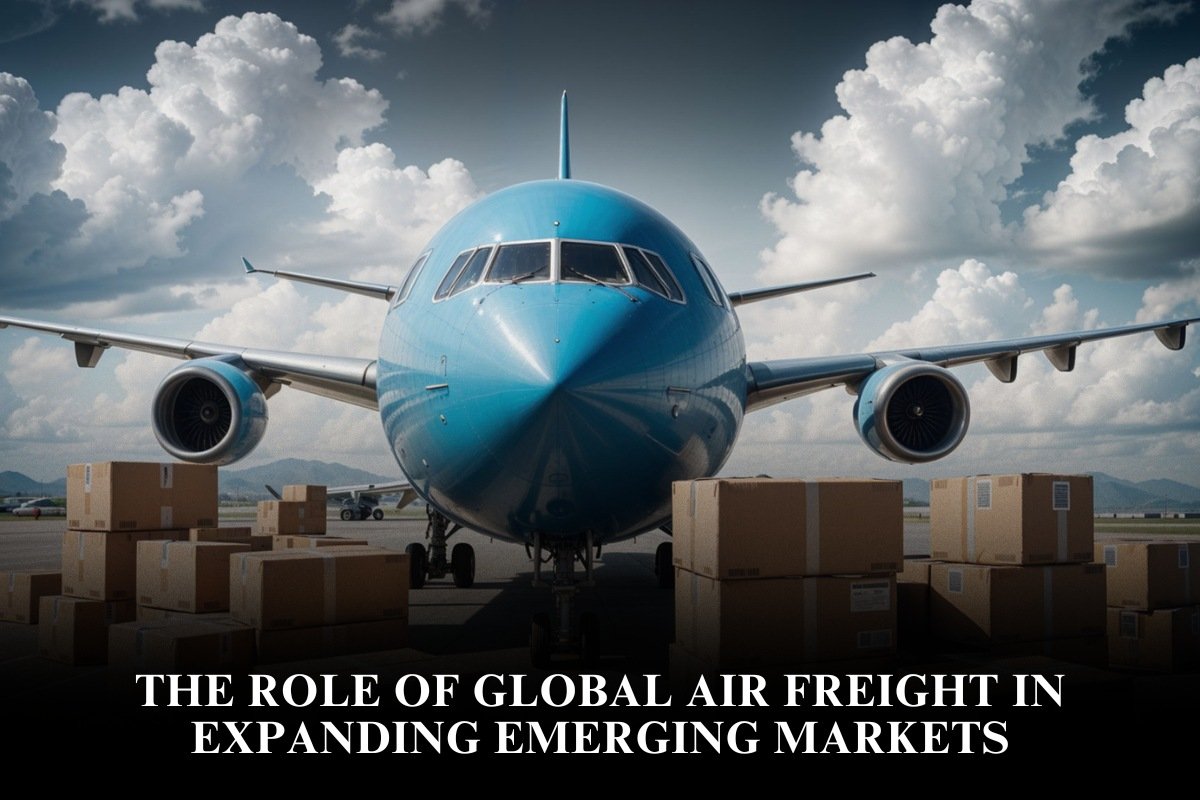
Global air freight plays a pivotal role in connecting emerging markets with the global economy. As international trade continues to grow and new markets develop, the need for efficient, reliable, and fast transportation of goods becomes increasingly important. Air freight, known for its speed and reach, is an essential tool for businesses and governments in emerging markets to expand their presence in global trade, enhance competitiveness, and attract investment.
Whether it’s high-value goods, perishable items, or time-sensitive products, air freight enables emerging markets to participate actively in the global supply chain, overcoming challenges related to infrastructure, geography, and logistics.
In this article, we will explore how global air freight contributes to the growth and expansion of emerging markets, examining its benefits, challenges, and the ways it accelerates economic development.
1. Speed and Efficiency: Facilitating Global Trade
One of the primary advantages of air freight is speed. Air cargo can travel vast distances in a short amount of time, ensuring that businesses in emerging markets can meet the growing demands of international customers. This fast and reliable mode of transport is crucial for businesses dealing in time-sensitive goods, such as electronics, pharmaceuticals, and perishable products.
How Air Freight Drives Trade:
- Time-Sensitive Shipments: Emerging markets often rely on air freight to export high-value or perishable products that require quick delivery. For example, fresh produce, seafood, flowers, and certain types of electronics must be transported quickly to maintain their quality. Air freight ensures these products reach international markets in optimal condition.
- Reduced Lead Times: In global markets, timing is critical. Companies in emerging markets can gain a competitive edge by reducing the lead time for their products, allowing them to react quickly to demand changes and market trends. This efficiency boosts their ability to compete in both regional and international markets.
- Access to Global Markets: Air freight opens up access to international markets that may be geographically distant or hard to reach through other means. Businesses in emerging markets, with limited infrastructure or sea ports, can still connect to major trade hubs across the world, expanding their customer base and market reach.
By offering fast and efficient delivery, air freight enables businesses in emerging markets to participate in global trade with more agility, positioning them to seize growth opportunities.
2. Boosting the Export Potential of Emerging Markets
Air freight supports the growth of industries in emerging markets by helping businesses quickly export goods to high-demand regions. This export-driven growth boosts economic development, creates jobs, and facilitates access to advanced technology and resources.
Key Benefits for Exporting:
- Access to High-Value Products: Emerging markets can leverage air freight to export products that are in high demand but require quick transportation, such as high-tech equipment, luxury goods, or medical devices. These exports often command premium prices, boosting the economies of these countries.
- Expanded Trade Relationships: Air freight strengthens trade relations between emerging markets and developed economies by ensuring reliable, quick deliveries. As these markets export goods at a faster rate, they establish themselves as reliable trade partners, fostering long-term economic ties.
- Supporting Diverse Industries: Air freight supports various sectors such as manufacturing, agriculture, healthcare, and technology by enabling the swift movement of goods. For instance, pharmaceutical companies in emerging markets can export life-saving medicines and vaccines more effectively, reaching markets with immediate needs.
In this way, air freight serves as a powerful enabler of export growth, offering businesses in emerging markets access to global supply chains and enhancing their international presence.
3. Promoting Economic Development and Job Creation
As emerging markets integrate more effectively into the global supply chain through air freight, they experience direct benefits in terms of economic development and job creation. The increased volume of goods transported by air leads to the growth of key industries such as logistics, manufacturing, and trade.
Economic Benefits:
- Job Creation: The demand for air freight services creates jobs in various sectors, including logistics, warehousing, customs, aviation, and cargo handling. These sectors benefit from the infrastructure development needed to support air freight, providing job opportunities and boosting local economies.
- Infrastructure Development: Air freight requires investments in airport facilities, cargo handling equipment, and transportation networks. Emerging markets that focus on improving these infrastructures see growth in their logistics and transport sectors, fostering broader economic development.
- Attracting Investment: Reliable air freight services make emerging markets more attractive to foreign investors and businesses looking to enter new markets. Efficient logistics infrastructure is often one of the key factors that international companies consider when expanding to new regions. As air freight improves, it creates a favorable environment for businesses to establish operations, increasing investment in the local economy.
The combination of increased trade, infrastructure development, and job creation leads to sustainable economic growth in emerging markets.
4. Overcoming Geographical and Infrastructure Barriers
Many emerging markets face significant logistical challenges due to underdeveloped infrastructure or geographical barriers. Air freight, with its ability to bypass ground transportation limitations, offers a viable solution to these challenges, allowing businesses in remote or landlocked regions to participate in global trade.
How Air Freight Overcomes Barriers:
- Access to Landlocked Regions: Air freight enables businesses in landlocked countries to access international markets. For example, countries in Central Asia, Africa, and South America, which may lack direct access to seaports, rely on air cargo to transport goods to global markets.
- Bypassing Infrastructure Gaps: In emerging markets with inadequate road or rail infrastructure, air freight serves as a reliable alternative to traditional transportation methods. This is particularly important in regions where road conditions are poor, or infrastructure investment has not kept up with economic growth.
- Connecting Remote Areas: Air freight can connect smaller, more remote regions to major global trade hubs. For instance, rural areas where goods are produced can use air freight to reach international markets quickly, overcoming local logistical limitations.
By bypassing local infrastructure barriers, air freight allows businesses in emerging markets to expand their reach, opening up new avenues for trade and growth.
5. Enabling Global Supply Chain Integration
Air freight plays an essential role in enabling emerging markets to integrate into global supply chains. Many industries, including electronics, automotive, and pharmaceuticals, rely on the rapid movement of parts, components, and finished goods to maintain production schedules. Air freight helps maintain these supply chains by ensuring the timely delivery of materials and products.
Air Freight and Global Supply Chains:
- Faster Access to Components and Raw Materials: Manufacturers in emerging markets can access essential raw materials and components from global suppliers faster, allowing for more efficient production processes. This is particularly important in industries that require just-in-time delivery systems to avoid production delays.
- Reduced Inventory Costs: With air freight, businesses can move goods quickly, reducing the need for large inventories and cutting down on storage costs. This is especially beneficial for companies in emerging markets looking to manage their supply chains more effectively and improve cash flow.
- Flexibility in Meeting Global Demand: As global demand for products fluctuates, air freight provides the flexibility to adjust production and delivery schedules quickly. Emerging market businesses can quickly respond to changes in demand, ensuring they remain competitive in a rapidly changing global market.
Through air freight, emerging markets can integrate more efficiently into global supply chains, enhancing their ability to meet international demand and secure a more prominent position in the global economy.
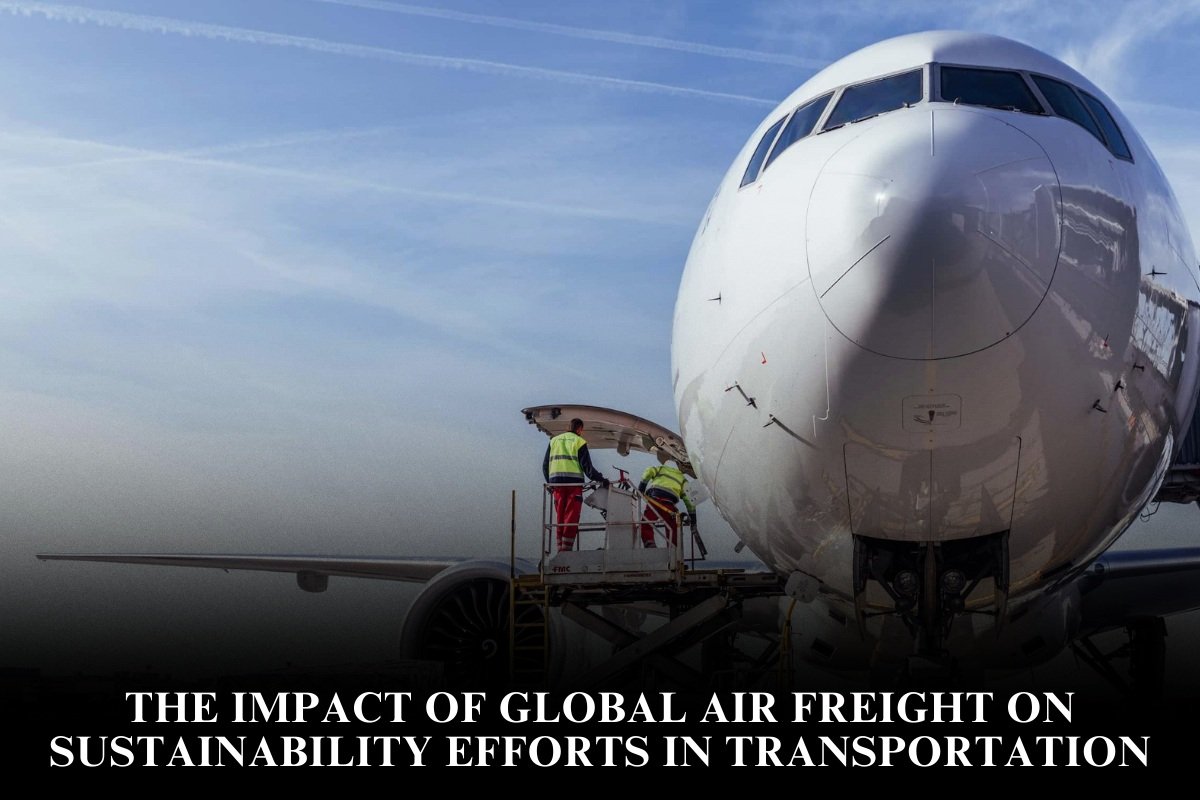
6. Environmental and Sustainability Considerations in Air Freight
While air freight is fast and efficient, it does have a higher environmental impact compared to other modes of transportation like sea or rail. However, there are ongoing efforts in the air freight industry to reduce emissions and promote sustainability. Emerging markets can benefit from these advancements by adopting greener practices and technologies.
Sustainability Efforts:
- Fuel-Efficient Aircraft: Many airlines are investing in more fuel-efficient aircraft to reduce the environmental footprint of air freight. These new technologies can help mitigate the impact of air cargo on the environment.
- Carbon Offsetting: Some air freight companies offer carbon offset programs, where businesses can pay to offset the environmental impact of their shipments. This helps to balance the carbon emissions produced during transport.
- Sustainable Packaging: Emerging markets can encourage the use of eco-friendly packaging materials, which not only reduce waste but also help lower the overall environmental impact of the logistics process.
By adopting these green initiatives, emerging markets can participate in global trade while mitigating some of the environmental challenges associated with air freight.
7. The Future of Air Freight in Emerging Markets
As global trade continues to evolve, the role of air freight in emerging markets will only grow. Advancements in technology, more sustainable practices, and the expansion of air freight infrastructure will further enhance the ability of emerging markets to engage in international trade. Additionally, new trade agreements and regional partnerships will likely increase the demand for fast and reliable air freight services.
Emerging Trends:
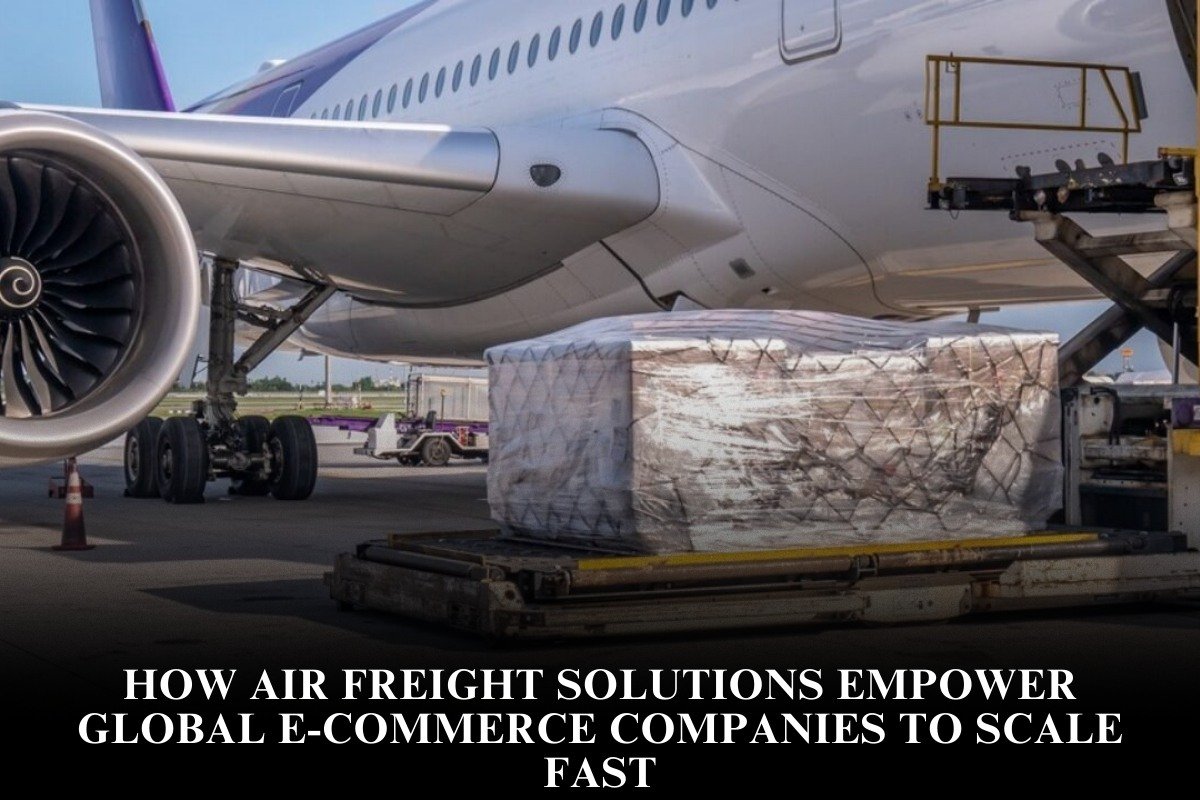
- E-commerce Growth: With the rise of global e-commerce, the demand for quick and reliable delivery will increase, particularly in emerging markets. Air freight is positioned to benefit from the growing need for rapid shipping and last-mile delivery.
- Technological Advancements: The integration of AI, automation, and real-time tracking in air freight logistics will improve efficiency, reduce delays, and enhance overall service reliability for emerging markets.
- Public-Private Partnerships: Governments in emerging markets are likely to increase investment in air freight infrastructure, working with private companies to improve airports, cargo terminals, and logistics networks.
The future of air freight in emerging markets is bright, with continued growth and expansion expected as these regions become more integrated into the global economy.
FAQs
How does air freight benefit emerging markets?
Air freight provides fast and efficient access to global markets, enabling businesses in emerging markets to export high-value or time-sensitive goods, reduce lead times, and integrate into global supply chains.
What are the challenges of using air freight in emerging markets?
The primary challenges include higher costs compared to other transportation methods, environmental concerns, and limited air cargo infrastructure in some regions. However, these challenges are being addressed with innovations in sustainability and infrastructure development.
How does air freight support supply chain integration?
Air freight ensures the timely delivery of components and raw materials to manufacturers, reduces inventory costs, and allows businesses to respond quickly to changes in global demand, enhancing overall supply chain efficiency.
What is the future of air freight in emerging markets?
The future of air freight in emerging markets is likely to see continued growth due to the rise of e-commerce, advancements in technology, and investment in infrastructure, all of which will improve the efficiency and reliability of air cargo services.
How can emerging markets reduce the environmental impact of air freight?
Emerging markets can adopt greener practices such as using fuel-efficient aircraft, participating in carbon offset programs, and encouraging sustainable packaging to reduce the environmental impact of air freight.