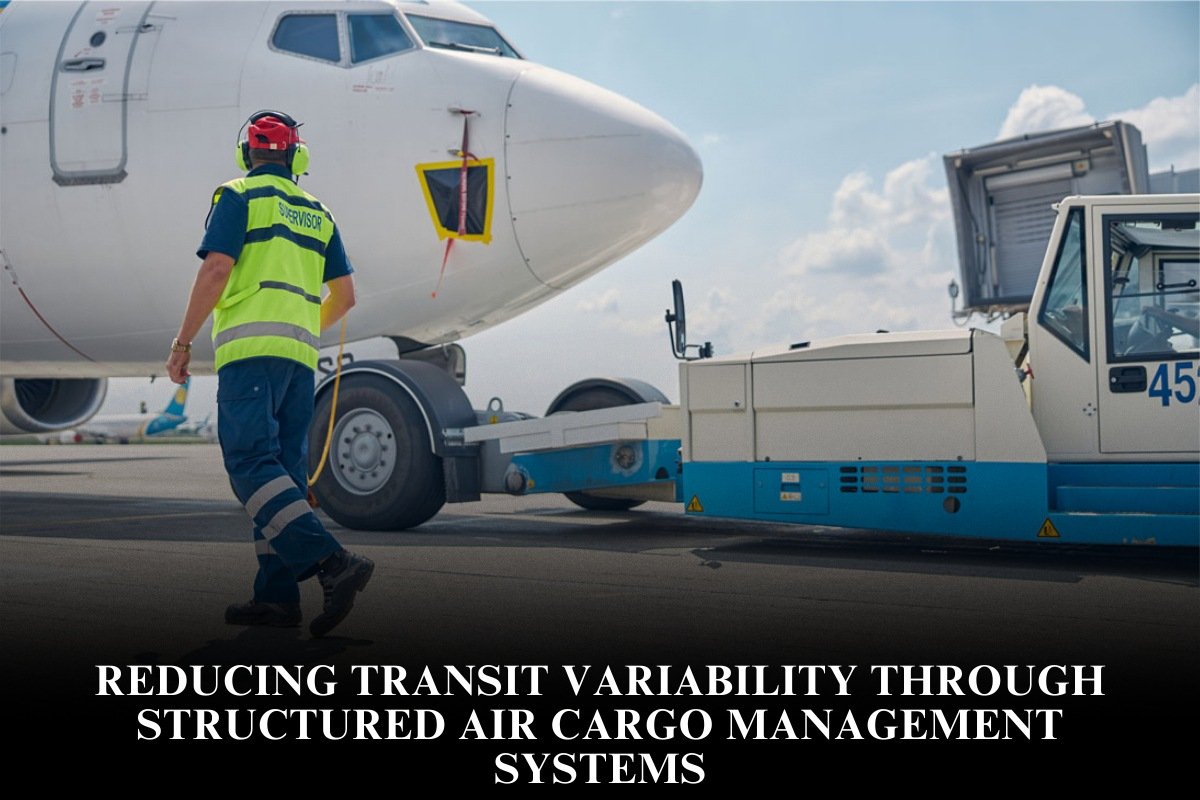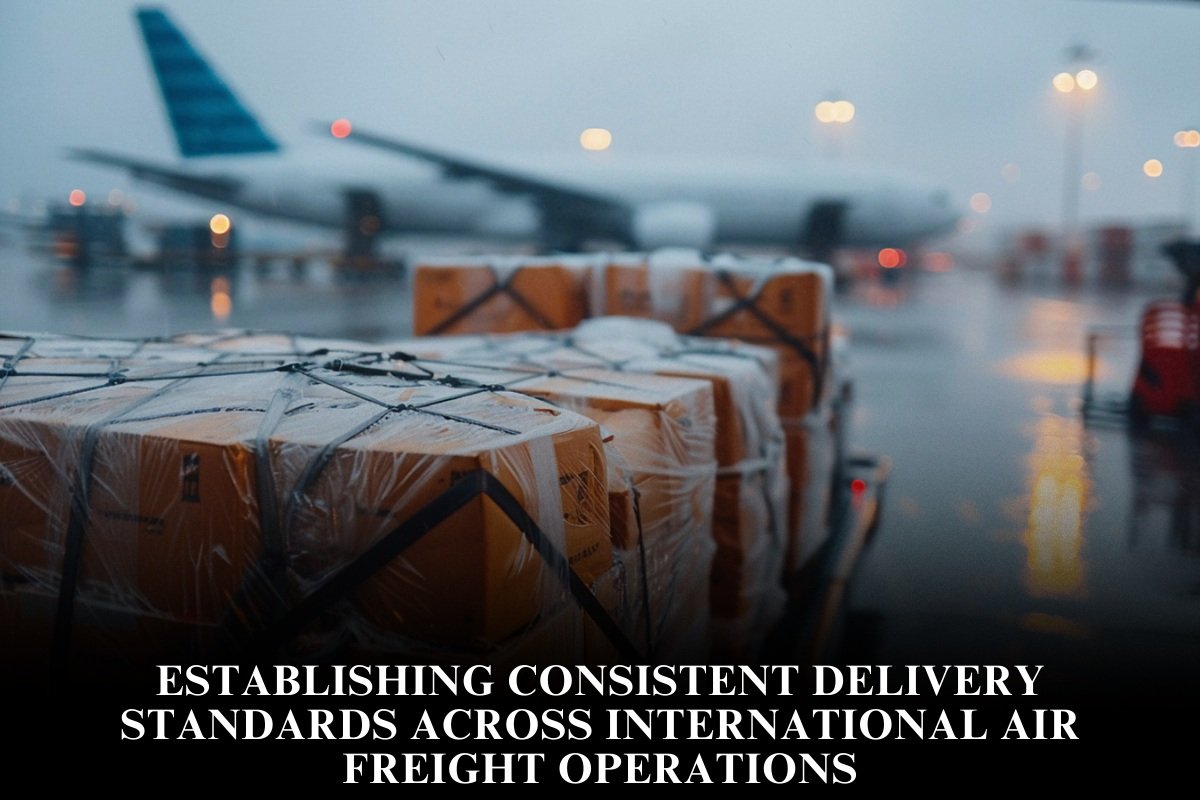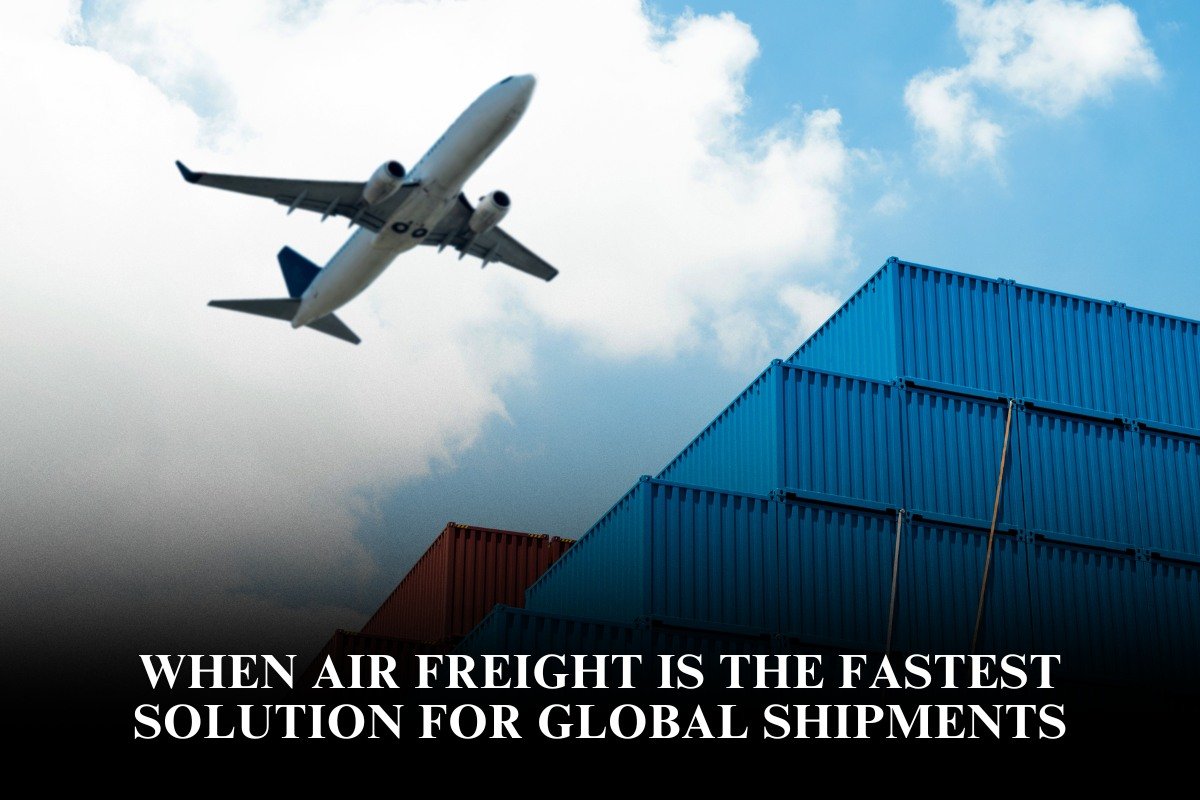
Air freight stands out as the fastest solution for global shipments when time-sensitive goods like perishables, high-value electronics, or medical supplies demand delivery in days rather than weeks, bypassing sea delays and road bottlenecks. With transit times of 1-5 days for major routes versus 20-40 days by ocean, it ensures just-in-time inventory, cutting warehousing costs by 30% and stockout risks. Ideal for disruptions like Red Sea blockages or Panama Canal droughts, air’s reliability—94% on-schedule flights—secures supply chains where speed trumps volume costs.
Key Scenarios Demanding Air Freight Speed
Air excels for urgent needs: pharmaceuticals requiring temperature control arrive intact via specialized holds, avoiding spoilage in 67% of cases compared to sea. E-commerce peaks or fashion launches ship samples overnight, boosting sales cycles by 52% through rapid fulfillment.
Supply chain breaks—like automotive parts shortages costing $1.2M/hour—resolve via charters, as in ACGC’s 5-day China-Armenia equipment run using Boeing 737s. During Typhoon Mawar, Air Partner airlifted 90 tons of UN aid to Guam, outpacing sea alternatives amid port chaos.
Air vs. Ocean: Speed and Cost Trade-Offs
Ocean suits bulk commodities—10,000 bottles per container at 1/5th air cost—but lags with 25-45 day transits prone to congestion. Air’s premium (e.g., $600 vs. $400 for 85kg) justifies itself for high-value cargo <15-20% shipment cost threshold, like semiconductors corrosion-proofed mid-flight.
LCL ocean express narrows gaps on short routes (6% slower than air for Hong Kong-Seoul), slashing CO2 by 28%, but air wins for perishables or JIT models reducing inventory 28%. 2025 fuel-efficient jets cut air emissions, balancing sustainability.
| Factor | Air Freight | Ocean Freight |
|---|---|---|
| Transit Time (China-US) | 2-5 days | 20-30 days |
| Cost per kg | High ($5-10) | Low ($0.50-2) |
| Capacity | Small volumes | Bulk/OOG |
| Reliability | 94% on-time | Port delays common |
Industries Relying on Air Freight
Healthcare/Pharma: Vaccines and organs ship in 24-48 hours; DHL notes air’s security prevents pilferage, vital for $1T market.
Electronics/Automotive: Semiconductors and EV batteries avoid corrosion; Weir’s US-KSA charter kept oil platforms running weekends.
Fashion/Retail: Seasonal drops arrive pre-peak; air cuts lead times 85%, enabling 19% lower carrying costs via forecasting.
Perishables: Flowers/fruits from Kenya-Europe in 12 hours retain freshness, minimizing 67% spoilage vs. sea.
Humanitarian cases like Hurricane Beryl relief underscore air’s crisis role.
Advantages Beyond Speed
Security trumps sea: airport protocols and tracking yield 38% faster customs at hubs like Changi, with variance just 1.2 days. Flexibility shines in rerouting—e.g., volcano eruptions or tariffs—while direct routes bypass geography.
Predictability aids planning: 95% adherence on trade corridors supports JIT, freeing $8.6M in capital for electronics firms shifting 45% to air. Though CO2-intensive, optimized loads and biofuels mitigate impacts.
Real-World Case Studies
ACGC Sarl’s 21-ton gas meters from Chongqing-Yerevan split into 737F charters bypassed capacity crunches, hitting deadlines via Urumqi-Tbilisi trucking.
Air Partner’s 600-ton typhoon rebuild to Saipan and Tunisian crisis response delivered vehicles/tools when sea stalled.
DSV’s Weir oil rig parts US-KSA over weekends highlight complex urgency solved in hours.
These prove air’s ROI in crises, with 30% warehousing savings offsetting premiums.
Implementation Tips for Optimal Air Freight
Select providers with AWB tracking and consolidators for <150kg loads; declare hazmat early to avoid bans (e.g., batteries). Hybrid models—air for urgency, ocean for bulk—optimize: Hong Kong-Korea ocean switch saved 27% cost/28% emissions with 6% time add.
2025 trends: AI forecasting and charters for peaks; Dubai hubs blend air-road-sea.
FAQs
Q. When is air freight faster than ocean or road?
For intercontinental urgency (2-5 days vs. 20-40 sea), perishables, or disruptions like Red Sea blocks.
Q. What costs more: air or ocean freight?
Air: $5-10/kg vs. ocean $0.50-2/kg; justifies for high-value <20% goods cost.
Q. Which industries need air most?
Pharma (temp-sensitive), electronics (security), automotive (JIT parts), perishables (freshness).
Q. How does air reduce inventory costs?
JIT enables 28% smaller warehouses, 52% faster fulfillment, freeing capital.
Q. Can air handle disruptions better?
Yes: 94% on-time, rerouting flexibility beats sea port delays.