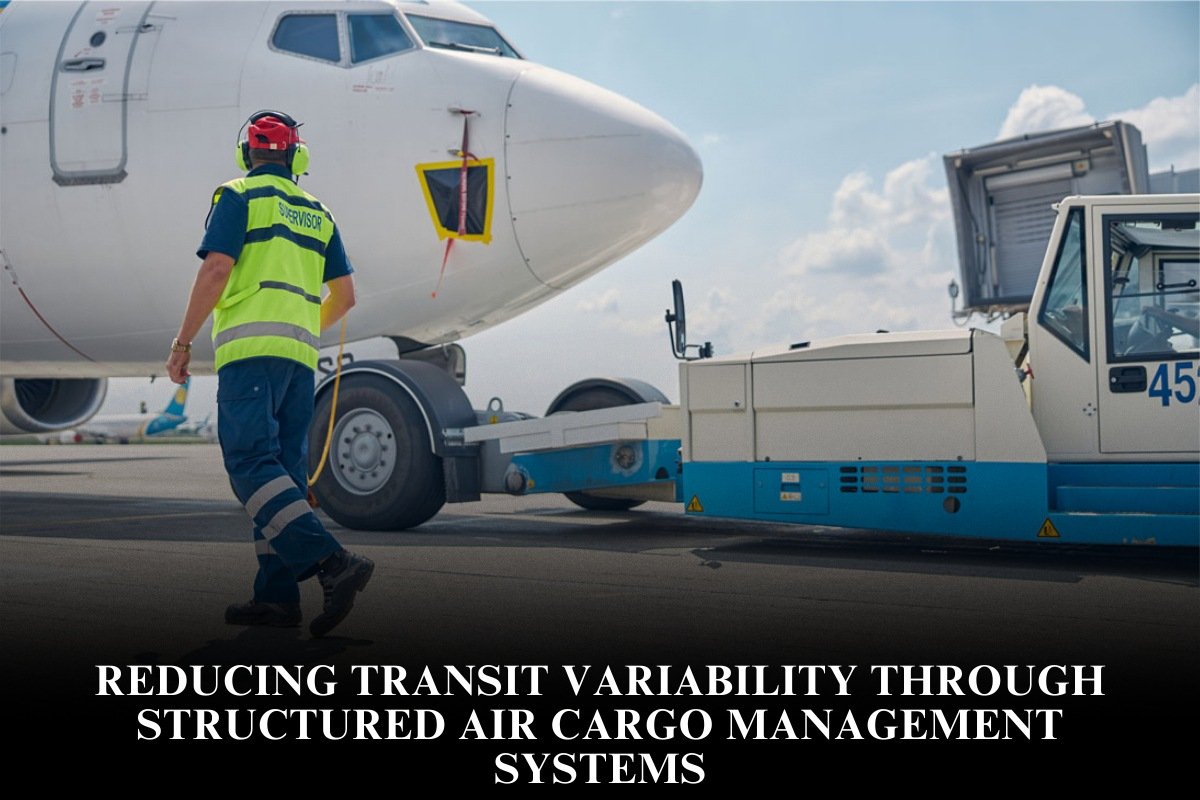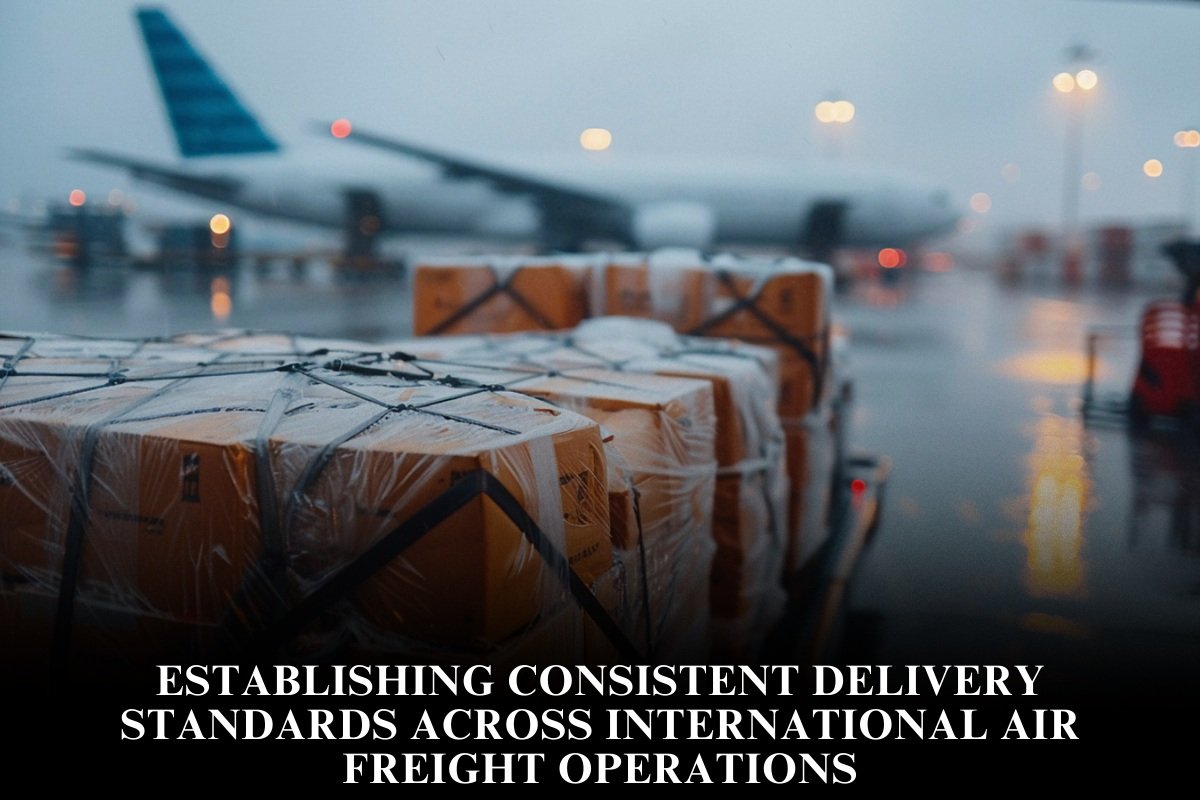
Global air freight underpins U.S. supply chains by enabling rapid delivery of high-value, time-sensitive goods, with the domestic market valued at $49.85 billion in 2025 and projected to hit $61.63 billion by 2030. Amid disruptions like Red Sea crises and port congestion, it provides agility for e-commerce giants, manufacturers, and healthcare, ensuring continuity in America’s $28 trillion economy.
Speed and Reliability in Time-Critical Deliveries
Air freight slashes transit times to hours or days versus weeks by sea, vital for perishable items like pharmaceuticals and fresh produce. During COVID-19, cargo-only flights maintained food security and medical supplies, bypassing grounded passenger routes. U.S. e-commerce, demanding 2-day delivery for 90% of shoppers, relies on it for transpacific tonnage, with carriers like Atlas Air adding freighters for guaranteed capacity.
Resilience Against Disruptions
Ocean delays from geopolitics or strikes prompt air shifts; air cargo’s controlled traffic offers 95%+ on-time rates, minimizing inventory risks. In 2024-2025 volatility, businesses diversified to responsive models, using air for continuity on key routes like Europe-Asia-U.S. This flexibility supports just-in-time manufacturing, reducing stockouts in automotive/aerospace.
High-Value and Perishable Goods Transport
Electronics, jewelry, and biotech demand security; air’s lower damage rates and tracking protect $1T+ annual values. Perishables like seafood maintain freshness, with U.S. hubs like Rockford handling surges when mixed airports congest. E-commerce drives over half transpacific volume, fueling retail growth.
Global Connectivity and Market Access
Air links remote U.S. markets to worldwide suppliers, enabling B2B acceleration via express hubs. It supports 60% of high-tech exports, with airports offering 24/7 slots and pre-clearance for seamless inland flow. Digitized tracking enhances visibility, optimizing chains end-to-end.
Economic Contributions to the USA
Air freight grows GDP via productivity: $19.1B market in 2025 expands to $48.7B by 2035, creating jobs in logistics hubs. It bolsters e-commerce ($1.06T potential), just-in-time reducing costs, and premiumization with tech like route optimization. Policy incentives and fleet upgrades sustain 4.33% CAGR.
Technological and Sustainability Advances
AI tracking, real-time updates, and sustainable fuels cut emissions while boosting efficiency. U.S. carriers integrate customs tech, co-locating sorting for last-mile speed. This positions air as resilient backbone amid green mandates.
Challenges and Strategic Integration
High costs limit bulk, but hybrids (air-sea) optimize. U.S. firms balance via multimodal strategies, leveraging air for urgency.
Air freight ensures U.S. chains thrive in volatility.
Frequently Asked Questions (FAQs)
1. Why use air freight for e-commerce?
Meets 2-day demands, driving half transpacific tonnage.
2. How does it build resilience?
Bypasses port delays with 95% reliability.
3. What goods suit air best?
Perishables, high-value electronics, pharma.
4. Economic impact on USA?
$49.85B market, growing 4.33% CAGR to 2030.
5. Tech improvements?
Real-time tracking, AI optimization for visibility.